
Last updated November 2, 2026
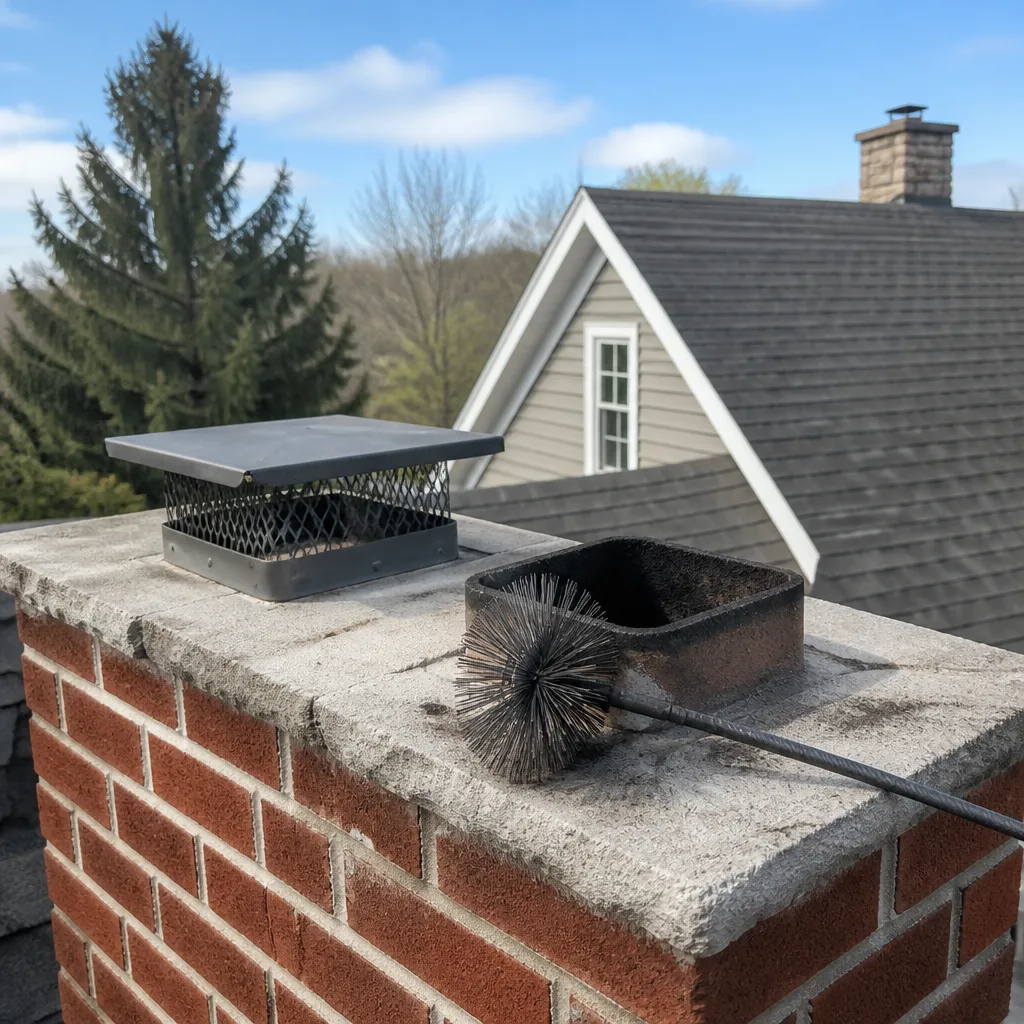 Sweep & inspection
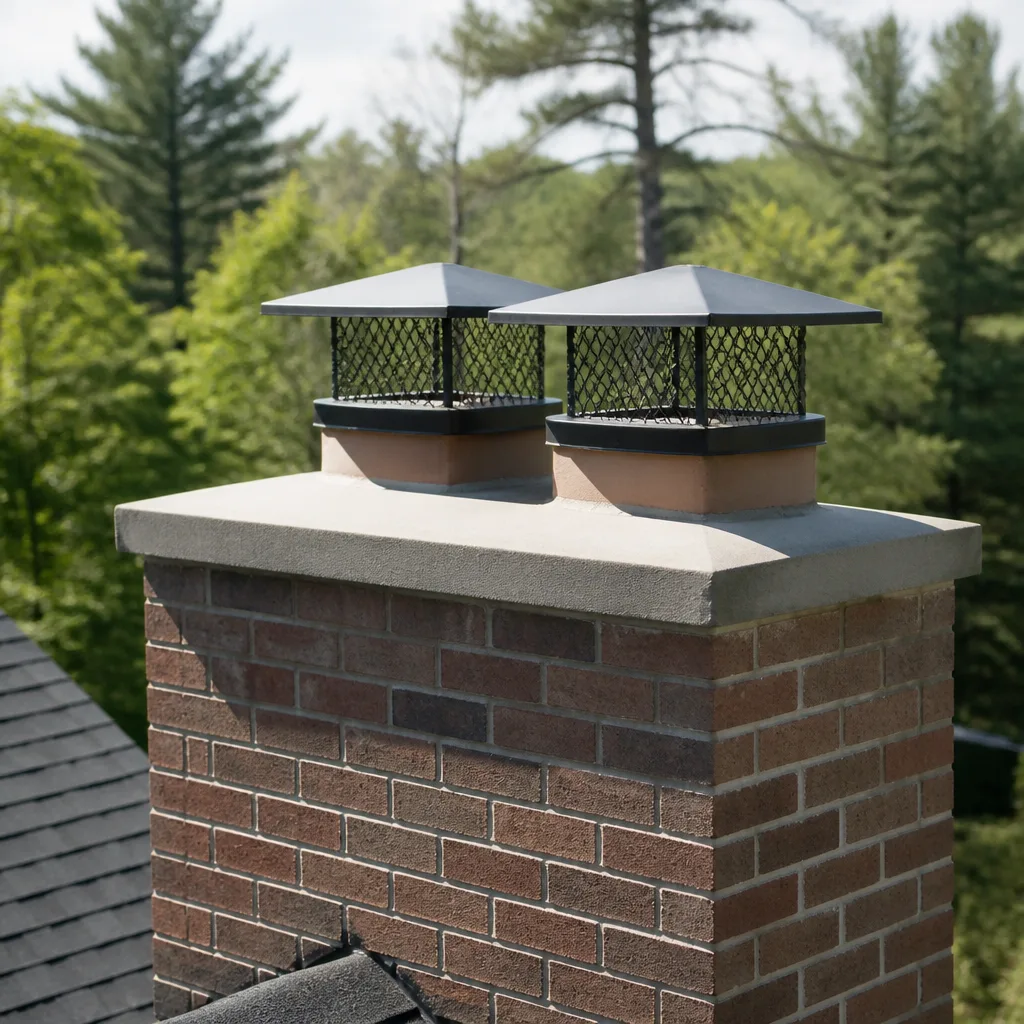 Caps & crowns
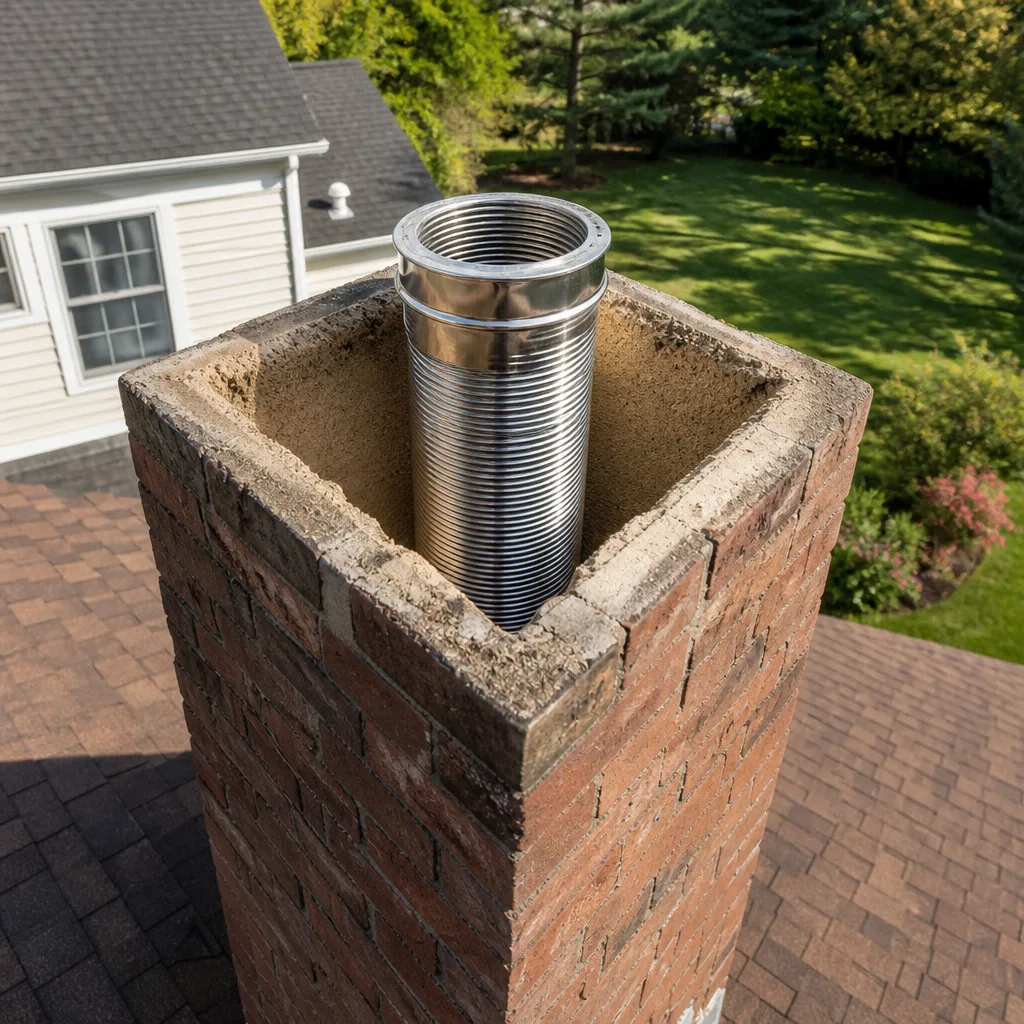 Flue relining
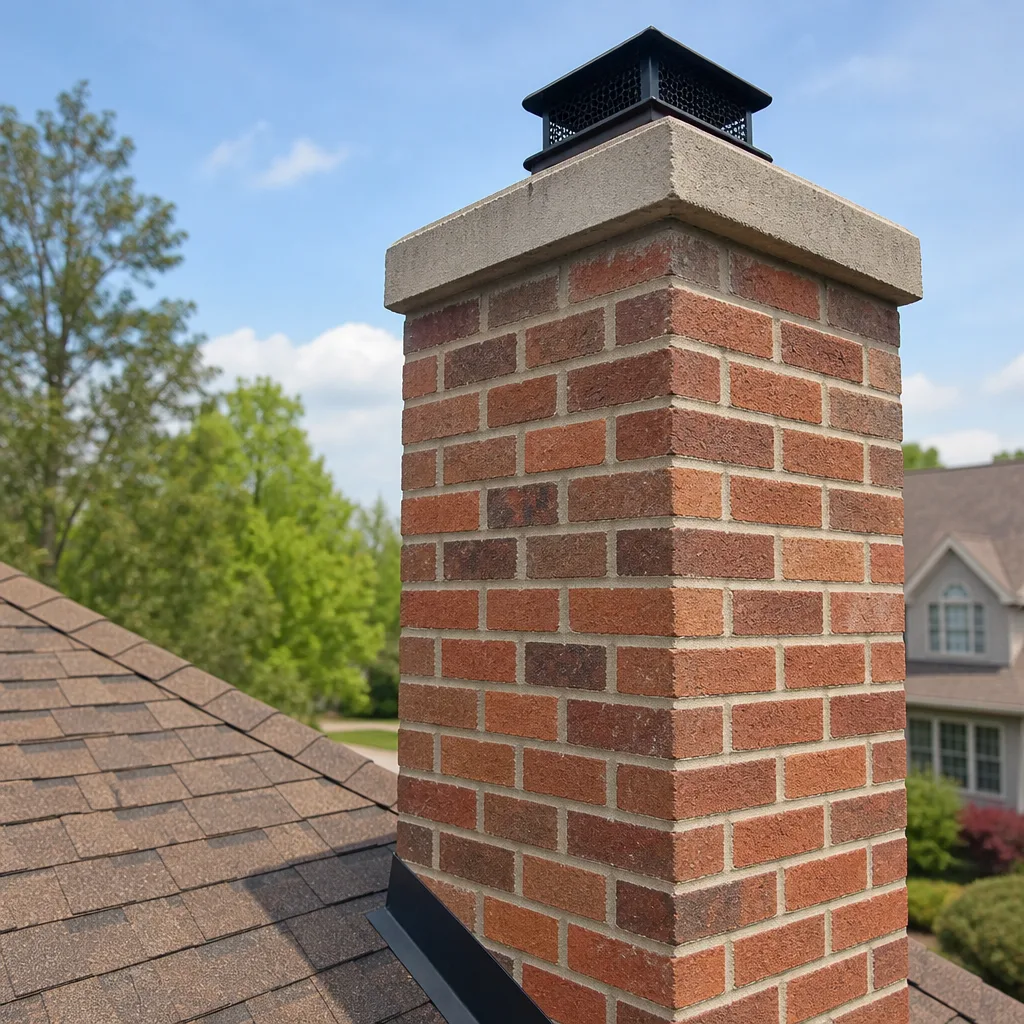 Masonry repair
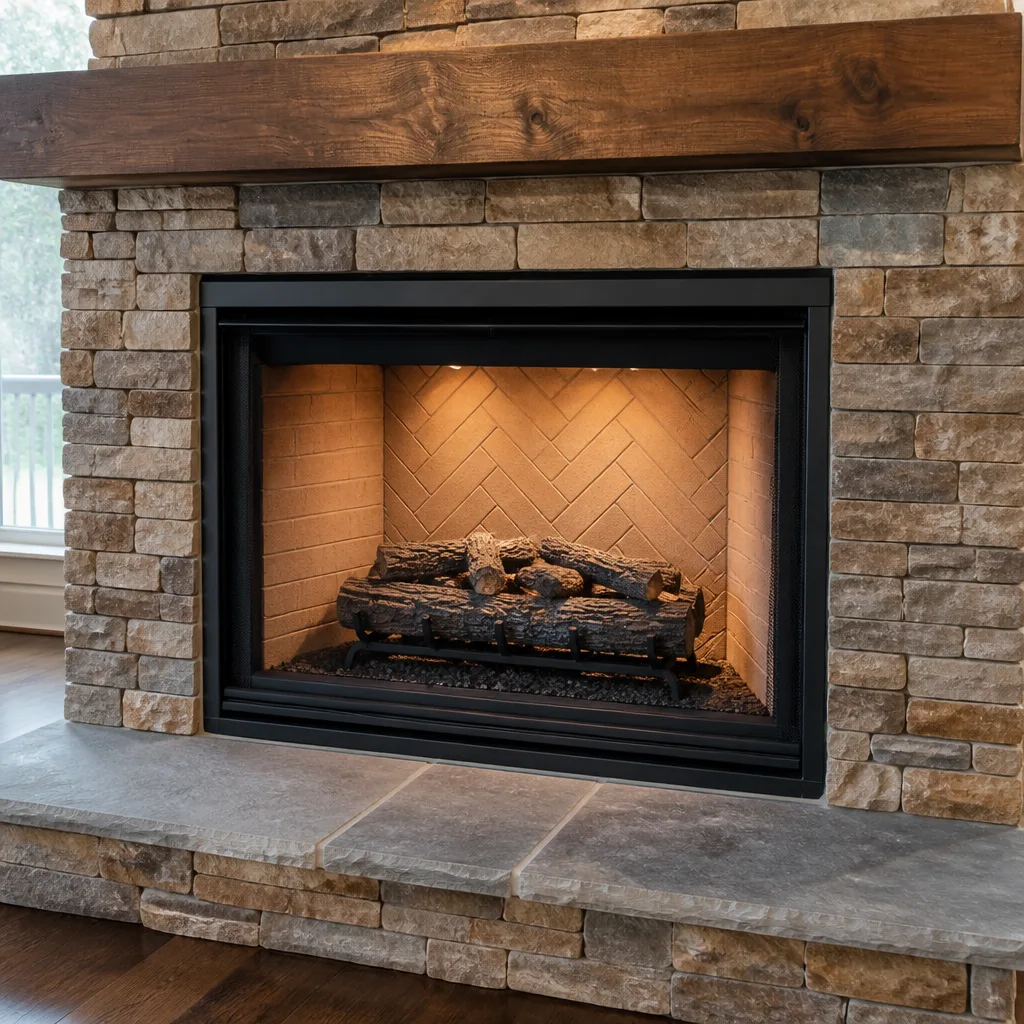 Gas fireplace service
Level 1 sweep and inspection to the NFPA 211 annual standard - flue, crown, cap, and flashing checked and photographed
Chimney sweep logs do not sweep chimneys. They loosen some creosote - which then falls where a brush and vacuum still have to collect it.
Chimney Sweep Maintenance Checklist for Elk Grove Homeowners
Most chimney maintenance checklists you’ll find online were written for someone in Vermont or Ohio, where a chimney gets used daily from October through March and the enemy is creosote buildup from slow, smoky fires. Elk Grove doesn’t work that way. Your burn window is compressed into three or four months, your wood typically sits in a hot dry garage or covered patio before it’s burned, and the real threats to your chimney have less to do with heavy creosote and more to do with what Sacramento Valley heat cycles do to mortar, crowns, and dampers. This guide is written specifically for Elk Grove homeowners, from the perspective of people who inspect and repair flues in this exact climate every week. You’ll learn what to check, when to check it, and which items on a generic national checklist you can safely ignore because they don’t apply to how homes here actually burn.
If you own a home in Elk Grove with a wood-burning fireplace, gas insert, or older masonry chimney, the maintenance list below maps directly to your fuel source, your chimney type, and the specific failure points we see most often in this region.
Quick Answer
A chimney maintenance checklist for Elk Grove homeowners should include: a professional chimney sweep in Elk Grove and inspection before the first fall fire, a mid-January recheck during peak burn season, monthly visual inspections of the damper and firebox during months of use, an annual cap and crown exam after summer UV exposure, and a carbon monoxide detector verification timed with your first fire of the season. Fuel type matters: wood-burning fireplaces need annual sweeping at minimum, gas inserts need venting checks and log inspection, and unlined masonry chimneys need vigilance for spalling and mortar deterioration caused by Elk Grove’s hot, dry summers.
Styles & brands we work with
- Sweep & inspection
- Caps & crowns
- Flue relining
- Masonry repair
- Gas fireplace service
Table of Contents
- Why Elk Grove Chimney Maintenance Is Different
- Your Pre-Season Checklist (October)
- Your Mid-Season Checkup (January)
- How to Check Your Damper: The Most-Ignored Component
- Smoke Chamber Spalling and What It Means in the Sacramento Valley
- Cap and Crown Inspection After Elk Grove’s Summer UV
- Carbon Monoxide Detectors and Chimney Service: Why Timing Matters
- Gas Insert Maintenance: Not Just for Wood Burners
Why Elk Grove Chimney Maintenance Is Different
The damper is the most-ignored part of a chimney system and the first thing to fail in Elk Grove’s dry heat. Most checklists mention it in one line and move on. Here’s why that’s a mistake for our climate specifically: a cast-iron damper plate sits directly above your firebox, exposed to whatever temperature swings your living room experiences plus the radiant heat from summer days that can push attic temperatures past 130 degrees. Over time, that iron warps, rusts, or seizes in its frame. When it does, you lose the seal that keeps conditioned air from escaping up the flue during every month you’re not burning, and you lose the ability to properly control draft during the months you are. In Elk Grove, where air conditioning runs hard from May through September, a failed damper is an energy leak first and a safety issue second.
But that’s just the damper. The larger point is that Elk Grove’s climate creates maintenance priorities that differ from other regions in three specific ways:
- Compressed burn window: Most Elk Grove homes burn from November through February. That’s roughly 120 days, compared to 180+ in colder climates. Less frequent burning means less creosote accumulation, but it also means problems get less attention because the fireplace sits idle for eight months. A crack that develops in March goes unnoticed until November.
- Summer UV and heat exposure: The crown, cap, and exterior mortar of your chimney take direct sun from June through September with almost no rain to cool or clean them. This accelerates mortar deterioration in a way that humid or rainy climates don’t experience.
- Wood storage behavior: Elk Grove homeowners often store firewood in hot, dry conditions or buy it from local suppliers who split and season it during the warm season. Properly seasoned wood burns hotter and cleaner, which actually reduces creosote, but it also produces hotter flue gas that stresses liner joints differently than the slow, cool fires common in damp regions.
This is why a generic national checklist written for a New England homeowner will have you checking for things that rarely happen here while missing the specific failures that actually occur.
Your Pre-Season Checklist (October)
In Elk Grove, October is the month to get your chimney ready. It’s warm enough that you’re not desperate to light a fire, which means you can do the prep work calmly and schedule a Chimney Sweep before the holiday rush hits. Here’s the step-by-step pre-season checklist we recommend for any Elk Grove home with a wood-burning fireplace:
- Book your professional sweep and inspection before October 15th. This is the single most important item. A Chimney Repair Elk Grove home inspection includes a camera exam of the flue interior, which is the only way to see hairline cracks in clay tile liners or early-stage spalling that will become bigger problems later. Book before the rush because the compressed Elk Grove burn window means every homeowner schedules in the same six-week stretch.
- Check your damper operation from inside the firebox. Use a flashlight to look up at the damper plate. Open and close it fully. Listen for grinding or feel for resistance. If it doesn’t seal fully when closed, you’ll lose conditioned air year-round.
- Inspect the firebox for cracked firebrick. Look at the floor and back wall of the firebox. Minor hairline cracks in refractory panels are common and often cosmetic, but cracks wider than 1/8 inch, or bricks that have shifted, need professional evaluation before you burn.
- Check your cap and crown from the ground with binoculars. You can see the top of your chimney from the yard with a decent pair of binoculars. Look for rust on the cap, missing or loose screen mesh, or visible cracks in the crown surface. (More detail on what you’re looking for in the cap and crown section below.)
- Test your carbon monoxide detector before the first fire. Replace batteries if they’re more than six months old. If your detector is more than seven years old, replace the entire unit. More on this timing in the CO section below.
- Verify your firewood is actually dry enough to burn. The single most common cause of excessive creosote we see in Elk Grove is homeowners burning wood that was “seasoned” for only a few months and still holds interior moisture. Split a piece and check the inside. It should be light in color and dry to the touch, not sappy or damp. If you’re buying wood, ask when it was split, not when it was cut.
The October list is about prevention. Get the sweep done early, verify the damper operates, and confirm your detection systems are working. That way, when the first cold front comes through and everyone in your neighborhood lights a fire on the same weekend, yours is already safe.
Your Mid-Season Checkup (January)
By January, your fireplace has been working for two to three months. This is not a time for another full professional sweep unless something is wrong, but it is the time for a homeowner-level mid-season review. Here’s what to check during the peak of Elk Grove’s burn season:
- Look at your chimney exterior after rain. Elk Grove gets most of its rain between December and March. After a rainstorm, look at the chimney from the ground. Dark staining, white efflorescence streaks, or crumbling brick texture are signs that water is penetrating the masonry and needs attention before it becomes a structural repair.
- Re-check the damper while it’s warm and while it’s cold. Metal expands and contracts with temperature. A damper that sealed fine in October might warp slightly after weeks of heat cycles. Check the seal when the fireplace is cold, then again after a night of burning once it’s fully cooled. If the seal has changed, the damper may need adjustment or replacement.
- Watch for smoke spillage into the room. When the fire is lit, watch the first few minutes of burn. Smoke that wavers, puffs into the room, or doesn’t draw up the flue properly can indicate a blocked flue, a damper that’s too closed, or a draft problem that developed since your October service. New draft problems mid-season are worth a phone call, not a wait-and-see.
- Check your firebox floor for debris that accumulates slowly. Between professional sweeps, small amounts of ash and creosote dust can build up at the base of the flue. A one-inch layer of fine ash is normal and manageable. But larger flakes of creosote, which look like black cornflakes, or damp, tar-like deposits are a warning sign that your wood is too wet or your fires are burning too cool.
- Verify your spark arrestor screen is still intact. If you can see the cap from your yard, check that the mesh screen hasn’t been damaged by birds or blown debris. Elk Grove has a significant starling and sparrow population, and a torn screen in January means birds can get into the flue before spring nesting season.
The January list is about catching changes mid-season, before a small issue becomes an immediate problem during the busiest part of the burn window.
How to Check Your Damper: The Most-Ignored Component
A damper inspection takes ten minutes, requires no tools beyond a flashlight, and is the single highest-value maintenance check you can do on your own. Most Elk Grove homeowners never look at their damper until it breaks, at which point the repair is always more expensive than the adjustment or cleaning that would have prevented the failure. For Chimney Sweep Troubleshooting: Common Problems and How to Fix Them, start with the damper.
Here’s how to check your damper safely from inside the firebox. You do not need to go on the roof for any part of this inspection.
- Open it fully, then close it fully. The damper handle is usually located at the top of the firebox opening, either a lever you push or a handle you turn. Work it through its full range of motion. It should move smoothly, without grinding, scraping, or requiring unusual force. If it binds or doesn’t seat fully when closed, you have a mechanical issue that will only worsen with continued heat cycles.
- Look for light leak when closed. With the damper closed, turn off the room lights and look up with a flashlight. If you can see daylight around the edges of the damper plate, the seal is incomplete. Some older damper designs never sealed perfectly, so minimal light isn’t always a problem, but a visible gap of more than a quarter inch means you’re leaking conditioned air up the flue.
- Check for rust and corrosion on the plate and frame. Cast-iron dampers rust, especially in Elk Grove where the crawlspace and firebox experience humidity swings during winter rains. Surface rust is cosmetic. But pitting, flaking, or holes in the damper plate indicate the metal has been compromised and the unit should be replaced.
- Feel for warping with the fire lit and after it cools. If your damper has been exposed to years of heat cycles, the plate may have warped. A warped damper doesn’t close evenly, which means the seal is inconsistent around the perimeter. It also often means the damper is sticking in its frame, which will eventually lead to complete seizure.
- Flakes of clay or mortar in the firebox after a windy night. This is the most visible sign. Small bits of debris that fall back into the firebox after the chimney cools.
- A fine dust that piles up at the bottom of the flue. This is pulverized masonry, not creosote. It’s lighter in color and doesn’t have the tar-like texture of creosote deposits.
- Visible gaps between stones or bricks when viewed with a camera. Gaps wider than 1/4 inch in the smoke chamber indicate the masonry is actively failing and the flue is no longer maintaining proper draft efficiency.
- Smoke that doesn’t draw as cleanly as it used to. A deteriorating smoke chamber disrupts air flow through the chimney, which means weaker draft and more smoke spillage into the room.
- Hairline cracks in the crown that you can see from the ground. Clean, sharp cracks are usually old but relatively stable. Cracked edges with dark staining or visible rust-colored weeping indicate water has been getting in and the crack is active.
- Chipped or missing crown edges. The outer corners of the crown are the most vulnerable part. If you can see exposed aggregate or chipped concrete at the corners, the crown is losing its ability to shed water properly.
- Rust streaks on the cap or down the crown sides. Rust means the cap’s metal is corroding. A cap with rust streaks has probably already lost its protective galvanized coating and will continue to deteriorate. Plan on replacement within a season or two.
- Bent, torn, or missing mesh screen. Elk Grove has active bird populations. A screen with a hole is an open invitation for nesting. Screens with bent or sharp wire exposure also indicate the cap took some kind of impact, likely from a storm or a tree branch.
- A cap that’s shifted or no longer sits centered on the flue. If the cap looks tilted or off-center from the ground, its mounting hardware has loosened, likely from wind. A loose cap rattles, leaks, and eventually fails completely.
- Test your CO detector in October, before your chimney sweep appointment. Test it, replace the batteries, and if it’s more than seven years old, replace the unit entirely. Do this before the sweep so you know the detector works before the fire season starts, not after.
- Test it again in January. Mid-season is the second test point. You’ve been burning for two months, the chimney system is at peak use, and CO levels are at their highest risk if a problem has developed. A detector that worked in October should still work, but the test costs nothing.
- Keep one detector on each level of the home, and one outside each sleeping area. California building code currently requires CO detectors in homes with fuel-burning appliances, but code compliance is a floor, not a ceiling. A detector in the hallway outside the bedrooms is the minimum.
- Replace the entire unit after seven years. CO sensors degrade over time regardless of battery condition. The sensor element itself loses sensitivity after about seven years. Most modern units have a manufacture date printed on the back and an end-of-life chirp, but don’t rely on the chirp. Mark your calendar.
- Annual inspection of the gas log set and burner assembly. The logs should sit in their designated positions without movement. The burner holes should be clean and produce a steady blue flame with yellow tips. Sooty deposits around the logs indicate incomplete combustion, which is a venting or air-mix problem.
- Check the venting system seal. Gas inserts use either a direct vent (through the wall) or a B-vent (up the existing chimney). Seals at the connection points degrade over time, and Elk Grove’s summer heat accelerates seal deterioration. A failed seal means exhaust gases leak into the wall cavity instead of venting outside.
- Check the damper position if your insert is installed in an existing masonry fireplace. Many gas inserts are installed with a damper clamp that keeps the damper partially open to allow proper venting. If that clamp has failed and the damper has closed, exhaust gases have nowhere to go.
- Check for moisture staining around the base of the fireplace in winter. Elk Grove’s winter rains can enter a gas insert’s venting if the exterior termination point isn’t properly sealed. Moisture staining on the firebox floor or around the fireplace surround is a sign of water intrusion through the vent.
If your damper shows any of these issues, replacement hardware from a manufacturer like Famco or Copperfield provides a contractor-grade fix rather than a generic part that’s sized to fit “most” chimneys. A properly fitted damper lasts decades, and the difference between a correctly sized replacement and a universal part is the difference between a second replacement in five years and one that stays sealed for twenty.
Smoke Chamber Spalling and What It Means in the Sacramento Valley
Spalling is the flaking, chipping, or crumbling of masonry caused by moisture penetration and heat cycling. In chimney systems, spalling most commonly shows up in the smoke chamber, which is the inverted funnel section that sits between the firebox and the flue liner. This is a region most homeowners never see because it’s hidden behind the damper and requires a professional camera inspection to properly evaluate.
But the conditions that cause spalling are more prevalent in Elk Grove than in most other regions, because of the specific way our climate cycles between extremes. When moisture enters the chimney masonry through a cracked crown or degraded mortar joints, it gets trapped inside the brick and mortar. Then when you light a fire, that moisture heats rapidly and expands. Steam pressure within the masonry causes the surface to flake away. Repeated cycles, over years, gradually carve away the structural integrity of the smoke chamber walls.
Summer heat makes this worse in a way that’s unique to the Sacramento Valley. Elk Grove regularly sees summer temperatures above 100 degrees, which means the chimney exterior gets hotter than it ever does during a fire. That heat drives moisture deeper into the masonry, where it sits until the next winter’s fire heats it again. Every burn season is a new stress cycle.
Here’s what we’ve seen in Elk Grove homes with spalling smoke chambers:
When spalling is caught early, resurfacing with ceramic products like HeatShield can restore the smoke chamber to proper function without a full rebuild. When it’s caught late, the repair becomes a teardown and reline, which is a far more expensive job. This is the core reason an annual professional inspection matters: the camera sees what you can’t see from the firebox, and early intervention on spalling saves thousands of dollars compared to waiting for structural failure.
Cap and Crown Inspection After Elk Grove’s Summer UV
Your chimney cap and crown are the two components that take the most direct punishment from Elk Grove’s summer sun. The crown is the cement surface at the very top of the chimney, sloped to shed water away from the flue. The cap is the metal assembly that sits on top of the flue opening, typically with a mesh screen to keep birds and debris out. Both sit in direct sunlight all summer long.
The problem is ultraviolet degradation combined with thermal expansion. Concrete and cement crowns expand when they heat up and contract when they cool. Daytime temperatures in an Elk Grove summer can push surface temperatures on a south-facing chimney past 140 degrees. Overnight, they drop to 60 or lower. That’s an 80-degree swing every 24 hours, repeated 90 or more times over the course of a summer. The expansion and contraction creates hairline cracks in the crown, and those cracks let water in during the winter rains.
Here’s what crown and cap deterioration looks like, and what you can check from the ground:
Replacement caps and crown hardware from brands like Famco and Copperfield are speced to handle exactly this kind of exposure, because those are the manufacturers certified chimney contractors install when a chimney has to survive real weather. See our guide on Choosing the Right Chimney Cleaning Brand: A Buyer’s Guide for Elk Grove for more on selecting quality components. The alternative, a universal cap from a hardware store, is thinner metal with weaker fasteners, and Elk Grove’s UV will find the weak point within two summers.
Carbon Monoxide Detectors and Chimney Service: Why Timing Matters
A carbon monoxide detector is not a backup to a smoke alarm. It’s a separate safety system that detects a completely different kind of threat, and it needs to be maintained on its own schedule. In Elk Grove, where fireplaces and gas appliances are used seasonally rather than year-round, the timing of your CO detector check matters more than in places where burning happens continuously.
The reason is simple: carbon monoxide is odorless and the effects of low-level exposure are cumulative. When you light your first fire of the season in November, you’re restarting a combustion system that has been idle for six to eight months. If that system has developed a problem during the idle months, a crack in the flue liner, a blocked vent, a damper that doesn’t seal properly, then the carbon monoxide enters your living space the day you light that first fire. Your CO detector is the only thing standing between that event and a slow-building health problem. If the detector has dead batteries or has passed its service life, that’s the day the entire safety system fails.
Here’s the schedule we recommend for Elk Grove homeowners:
A chimney repair in Elk Grove service that includes a full inspection will identify potential CO risks in the flue system, but the detector is your continuous line of defense between inspections. Neither replaces the other.
Gas Insert Maintenance: Not Just for Wood Burners
Many Elk Grove homeowners have converted their old wood-burning fireplaces to gas inserts, and a significant number of homes were built with gas logs from the start. There’s a pervasive assumption that gas fireplaces don’t need regular maintenance because they don’t produce creosote. That assumption is wrong on two counts.
First, gas combustion still produces carbon monoxide, and a venting system that’s partially blocked or has degraded seals will leak CO into the home just like a wood-burning system. The risk isn’t creosote; it’s incomplete combustion and inadequate venting. Second, gas inserts have mechanical components, thermocouples, thermopiles, gas valves, and pilot assemblies,that wear out and need inspection. A gas insert that hasn’t been serviced in five years can have a partially blocked vent, failing seals, and a burner that’s no longer burning clean, all of which are invisible to the homeowner until something fails or CO levels rise.
Here’s what gas insert maintenance looks like in an Elk Grove home:
Gas inserts also have pilot lights that can accumulate dust and debris during the long idle season. A pilot that burns weakly or unevenly produces more CO, and a pilot that goes out entirely surprises homeowners on the first cold night of the season when they flip the switch and nothing happens. Annual gas log service catches all of this before the burn window starts.
Why Dryer Vent Cleaning Belongs on This Checklist
Dryer vent cleaning is usually sold as a standalone service with no connection to chimney work. That’s a missed opportunity for homeowners, because a clogged dryer vent and a dirty chimney are the two leading causes of residential structure fires related to venting. They’re the same category of problem: an exhaust pathway that carries combustion byproducts and flammable lint or creosote that builds up slowly over years until it becomes a fire hazard. And in Elk Grove, where homes are built close together and fire spread between properties is a real concern, both venting systems deserve attention on the same maintenance schedule.
Here’s why dryer vent cleaning pairs naturally with chimney service:
- The maintenance trigger is identical. Both systems need cleaning based on usage, not on a calendar. A home that runs the dryer daily for a family of four needs annual vent cleaning. A home that burns wood every night from November through February needs annual chimney sweeping. When you’re already scheduling one service, the other one is often due or close to it.
- The failure mode is similar. Both a clogged dryer vent and a dirty chimney restrict airflow and cause overheating. In a dryer vent, restricted airflow means the dryer runs hotter and lint accumulates faster, eventually reaching ignition temperature. In a chimney, restricted airflow means smoke exhaust slows down and creosote accumulates faster, eventually reaching ignition temperature. Same mechanism, different fuel.
- One contractor covers both. Dryer vent cleaning in Elk Grove is a one-call addition to any chimney visit. Instead of coordinating separate appointments with separate providers, both of your home’s leading exhaust-pathway hazards are handled by the same crew, on the same day, with the same camera inspection and documentation standards.
DuraFlex liner systems and HeatShield restoration materials, which we stock and install for chimney work, address flue integrity and structural repair. But the service ethos is the same across both chimney and dryer vent work: inspect with a camera, show the homeowner what the camera sees, and repair using materials built for long-term performance rather than temporary fixes. If you’re going to schedule a chimney sweep, ask about dryer vent cleaning on the same visit.
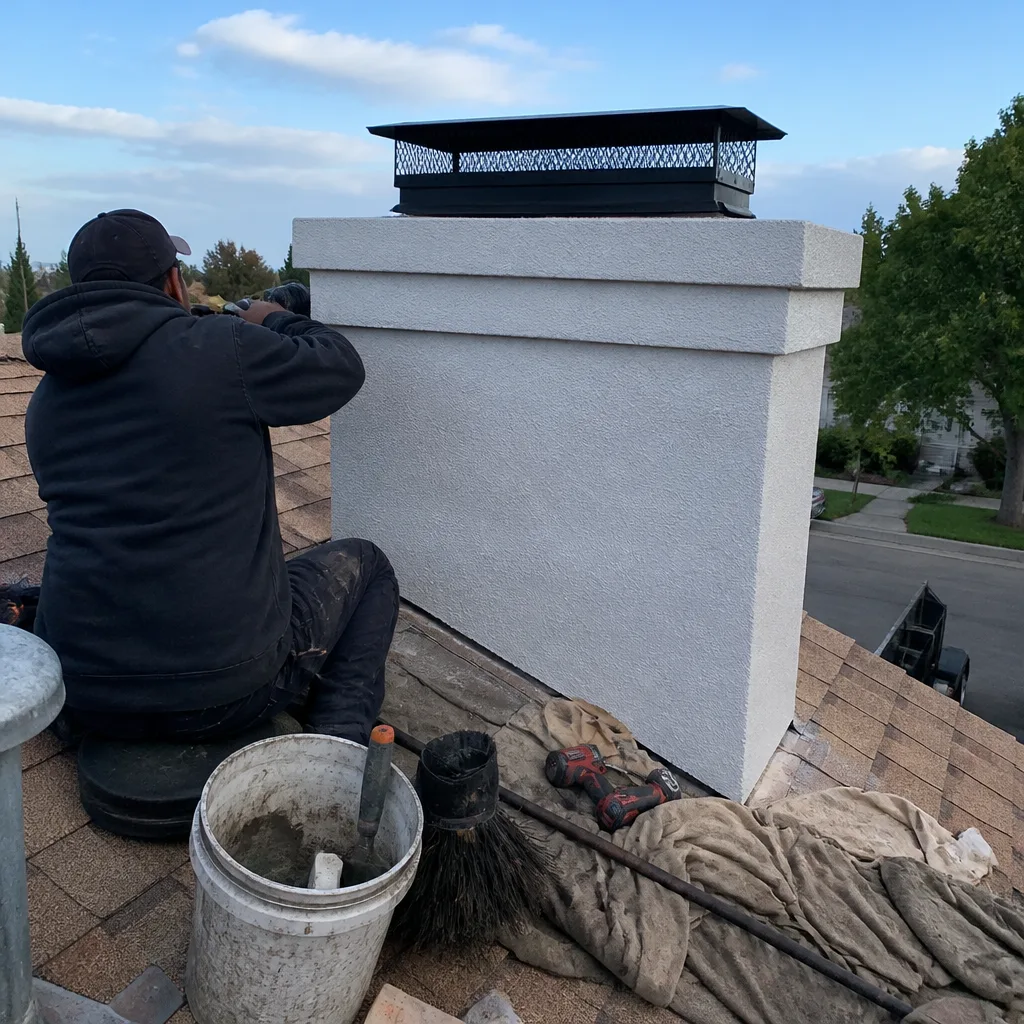
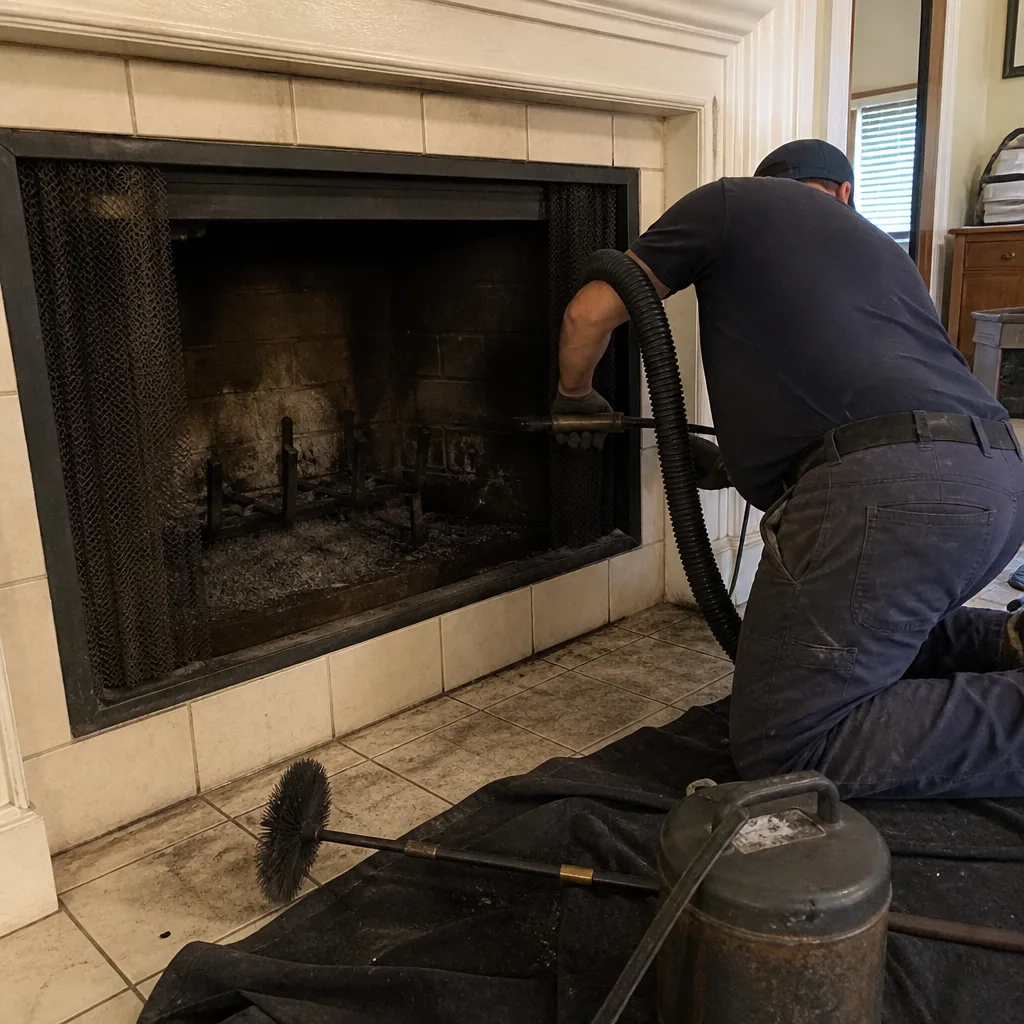
See the difference
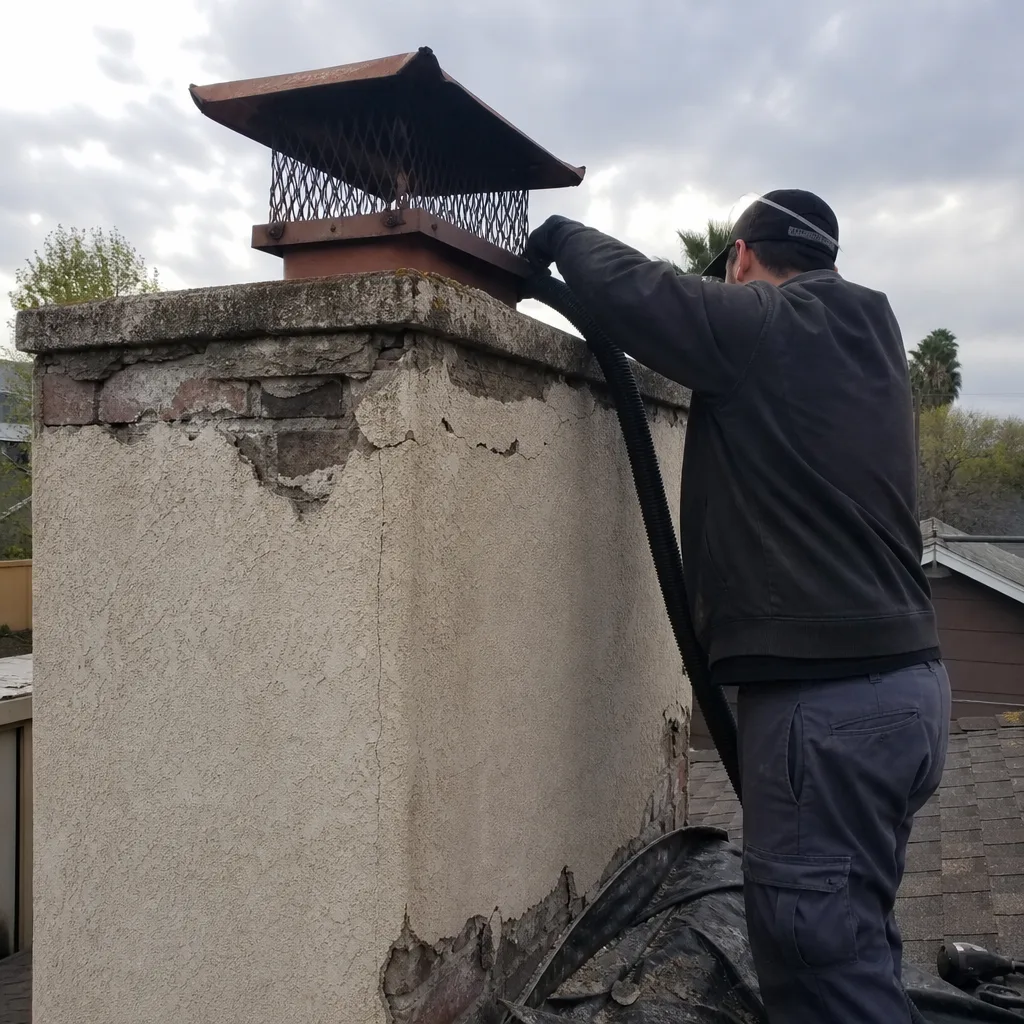 Before
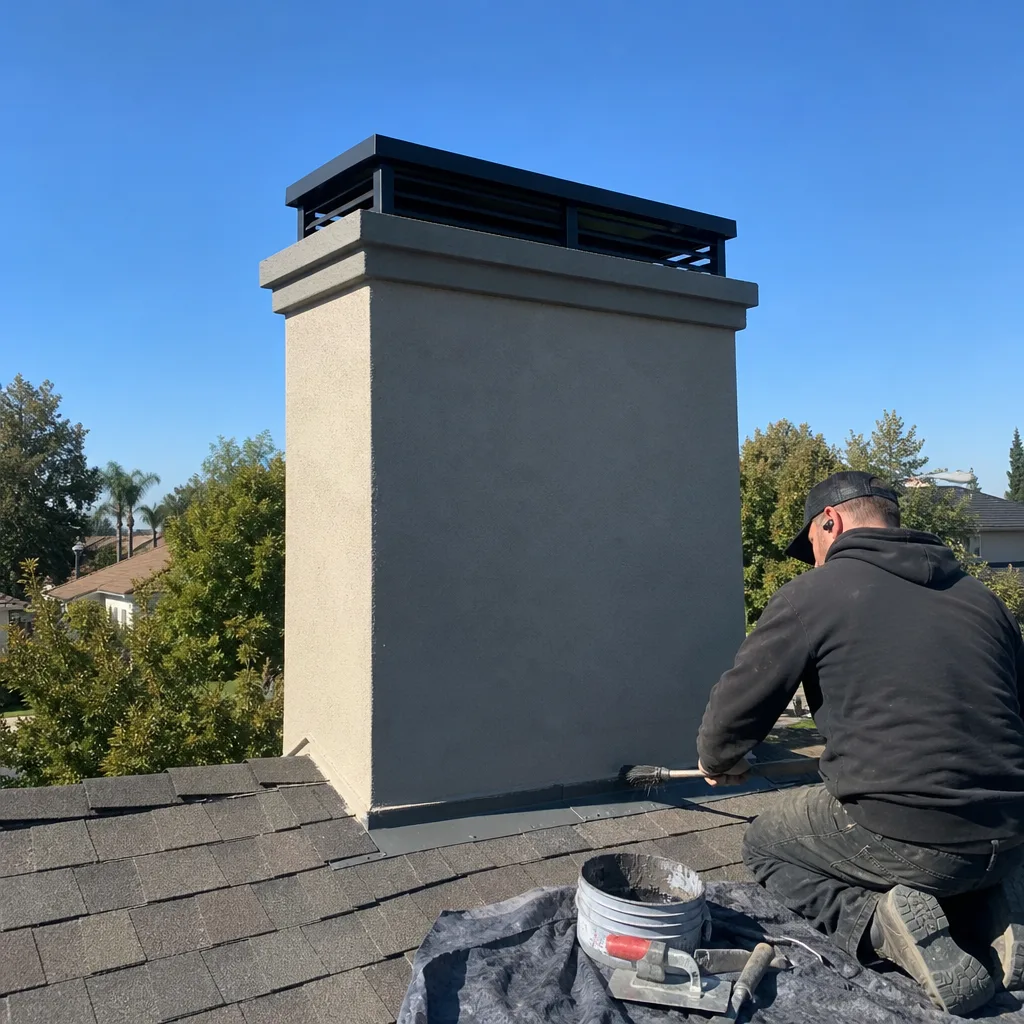 After
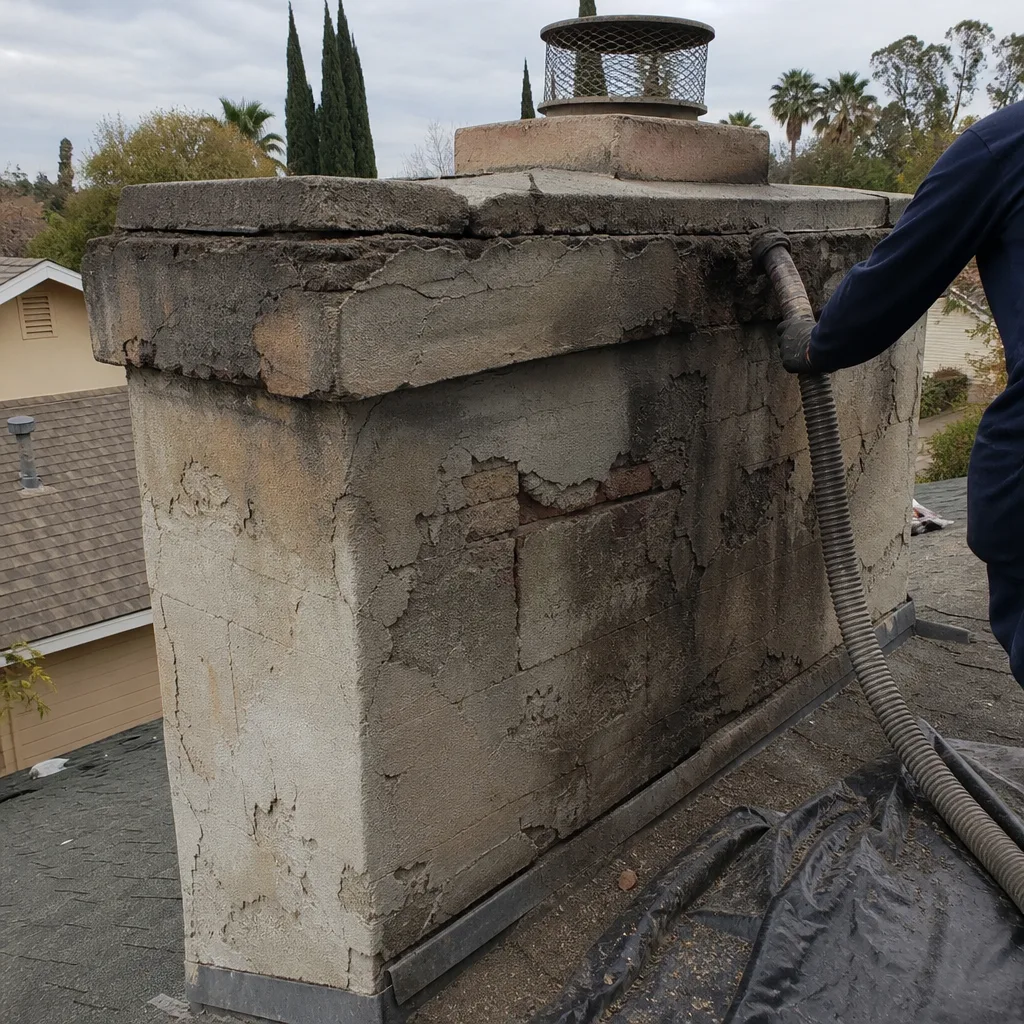 Before
 After
 Before
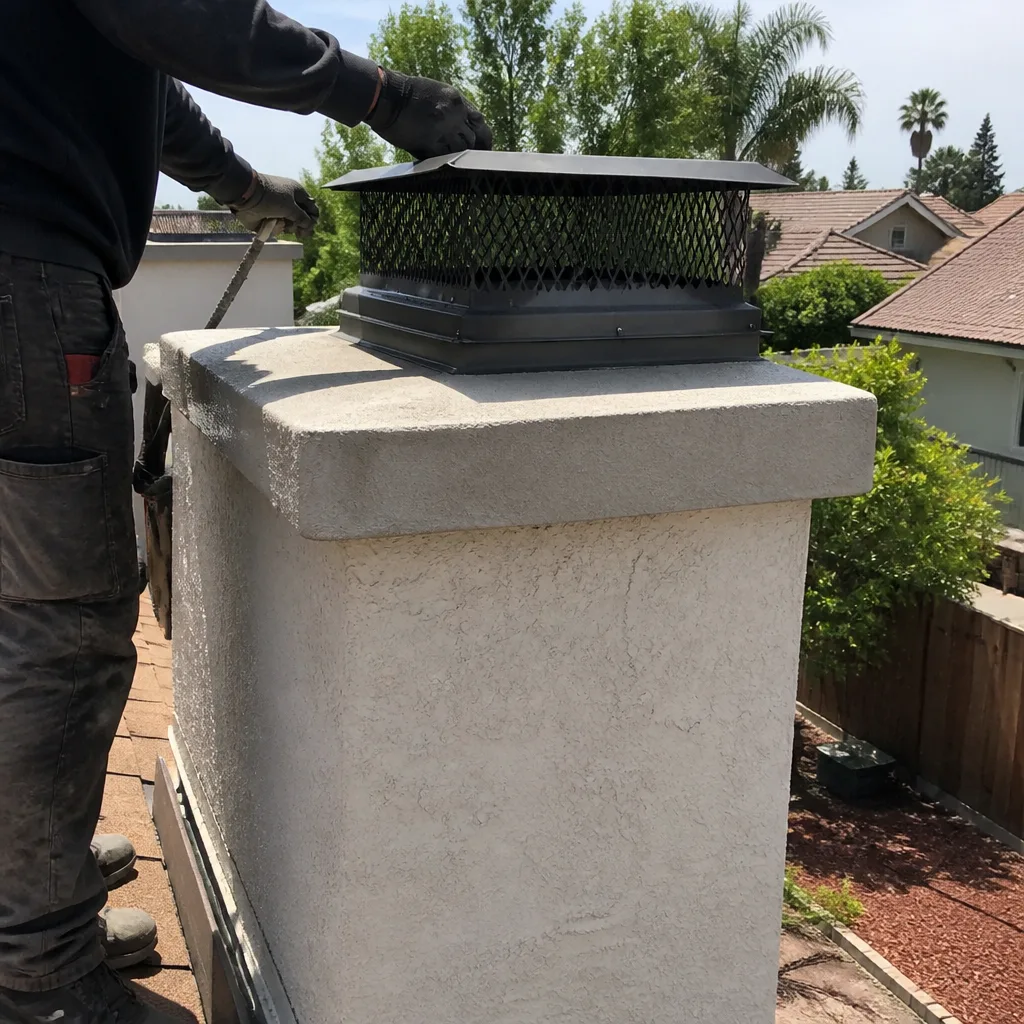 After
Common Mistakes to Avoid
- Skipping the inspection because the fireplace “looks fine.” The most serious chimney problems, cracked liners, spalling smoke chambers, corroded caps, are invisible from the firebox. A chimney that looks fine from the living room can have a flue liner that’s actively failing. The camera inspection is the only way to see it.
- Using a checklist written for a different climate. National chimney-maintenance guides include items that don’t apply to Elk Grove homes (like checking for ice dam accumulation or creosote glaze from slow, damp fires) and omit items that matter here (like summer UV damage to crowns and caps). Use a local checklist.
- Burning green or unseasoned wood. This is the most common and most preventable cause of rapid creosote buildup. Wood that hasn’t been split and stacked for at least six months, preferably twelve, still has too much internal moisture to burn cleanly. The result is smoldering fires that produce thick creosote deposits, which is exactly what you want to avoid.
- Waiting until November to schedule a sweep. Every Elk Grove homeowner wants service in the same six-week stretch. Waiting until the first cold snap means you’ll either wait longer for service or skip the inspection entirely and burn unsafely. Schedule in September or October.
- Ignoring the damper because it’s “just a flap.” A failed damper leaks conditioned air year-round, wastes energy during Sacramento’s hot summers and cold winters, and prevents proper draft control during fires. It’s the most cost-effective repair on the entire chimney system, and the most commonly deferred.
- Using generic hardware-store parts for repairs. Caps, dampers, and replacement components from big-box stores are sized for universal fit, which means they fit no chimney perfectly. A cap that’s too loose rattles and fails. A damper that’s slightly undersized leaks air forever. Contractor-grade parts from manufacturers like Famco and Copperfield are sized to the specific flue dimensions, not to a best-guess average.
- Assuming a gas fireplace needs no maintenance. Gas inserts have mechanical and venting components that wear out. A gas fireplace that hasn’t been serviced can produce CO, leak exhaust gases, or simply fail to light on the first cold night. Gas logs need annual inspection just like wood-burning fireplaces need annual sweeping.
When to Call a Professional
Some maintenance you can do yourself; some you cannot. If you see any of the following, call a professional rather than attempting to diagnose the problem on your own: visible cracks in the firebox that are wider than 1/8 inch, debris falling into the firebox from above, smoke that spills into the room during fires, any crack or gap in the chimney exterior that you can see from the ground, a damper that won’t move or won’t seal, or any signs of water staining on the ceiling or walls near the chimney. These are not items to watch and wait on. Chimney Repair Elk Grove offers free estimates in Elk Grove and serves the entire city and surrounding area, call (833) 620-0280 to schedule an inspection.
Frequently Asked Questions
A professional chimney sweep and inspection in Elk Grove typically costs between $180 and $340 depending on the chimney’s condition, accessibility, and whether it’s a wood-burning fireplace or gas insert. Sweeps that include a camera inspection and written report fall on the higher end of that range, and the camera inspection is worth paying for because it’s the only way to see the flue interior. Call (833) 620-0280 for an exact quote, estimates are free.
A wood-burning fireplace should be swept annually, regardless of how many fires you burn each season. Even a home that only burns a dozen fires per year needs an annual inspection to check for damage that occurred during the idle months, because Elk Grove’s summer heat stresses crowns, mortar, and dampers even when the fireplace isn’t in use. Gas inserts should be inspected annually for venting and burner condition. Call (833) 620-0280 to schedule your annual service.
You should not accept a liner replacement recommendation without seeing the evidence. The only way to properly evaluate a flue liner is with a camera inspection, and you should be shown the video or photos that document the damage before agreeing to the work. If a sweep recommends a new liner, ask to see the camera footage. A cracked clay tile liner, visible spalling, or a gap between tile sections is clear evidence. If the liner is intact, refuse the recommendation. Liner replacement with a system like DuraFlex is a significant job, and the decision should be based on documented evidence, not a verbal recommendation. Call (833) 620-0280 for a camera inspection in Elk Grove.
Over a three-to-five year period without maintenance, creosote accumulates in the flue, damper seals degrade, and the crown and mortar continue to deteriorate from Sacramento Valley weather exposure. The creosote is a chimney fire risk, the damper failure is an energy cost, and the masonry deterioration leads eventually to water intrusion and structural damage. Skipping maintenance doesn’t usually cause an immediate problem; it causes a compounding one. The repairs get more expensive every year they’re deferred. Call (833) 620-0280 to get current with a full inspection.
You can safely inspect the firebox, damper, and visible portions of the cap and crown from the ground and from inside the firebox. These checks will catch obvious problems like a seized damper, cracked firebrick, or a visibly damaged cap. What you cannot see from these positions is the flue interior, the smoke chamber, or the connection points between the liner sections, which are the locations where the most serious problems develop. That’s why the annual professional camera inspection is necessary even when your visible inspection finds nothing wrong. Call (833) 620-0280 to schedule an inspection with camera documentation.
The annual cost of a professional sweep and inspection, between $180 and $340 in Elk Grove, is a fraction of the cost of repairing a chimney fire or replacing a failed liner. A typical chimney fire repair ranges from $3,000 to $10,000 or more depending on the extent of the damage, and a full liner replacement with a system like DuraFlex runs in the $3,500 to $7,000 range depending on chimney height and access. One prevented chimney fire pays for decades of annual sweeps. Call (833) 620-0280 for current service pricing in Elk Grove.
The Bottom Line
A chimney maintenance checklist only works if it matches your actual chimney type, your fuel source, and the climate your home actually sits in. For Elk Grove homeowners, that means an October pre-season sweep and inspection, a January mid-season recheck, damper and firebox monitoring during months of use, and an annual cap and crown evaluation after summer’s UV has had its way with the masonry. The most productive maintenance habits are the boring ones: schedule the sweep before the rush, check the damper twice a season, replace CO detector batteries every October, and don’t burn wood that hasn’t been properly seasoned. For more guides & resources on keeping your chimney safe, explore our blog. Do those things consistently, and your chimney will pass inspection year after year. Skip them, and the repair bill eventually teaches the lesson.
Written by the team at Chimney Repair Elk Grove, serving Elk Grove since 2012.