
Last updated November 2, 2026
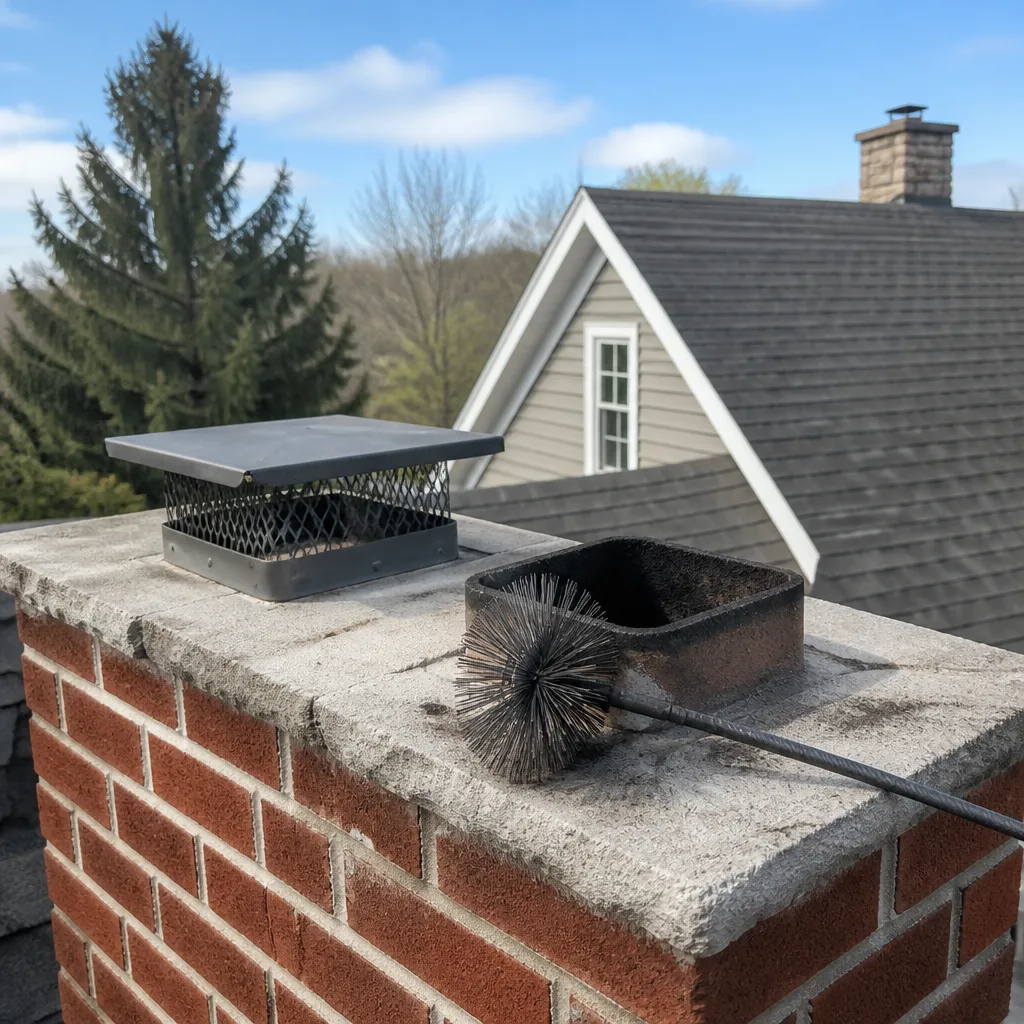 Sweep & inspection
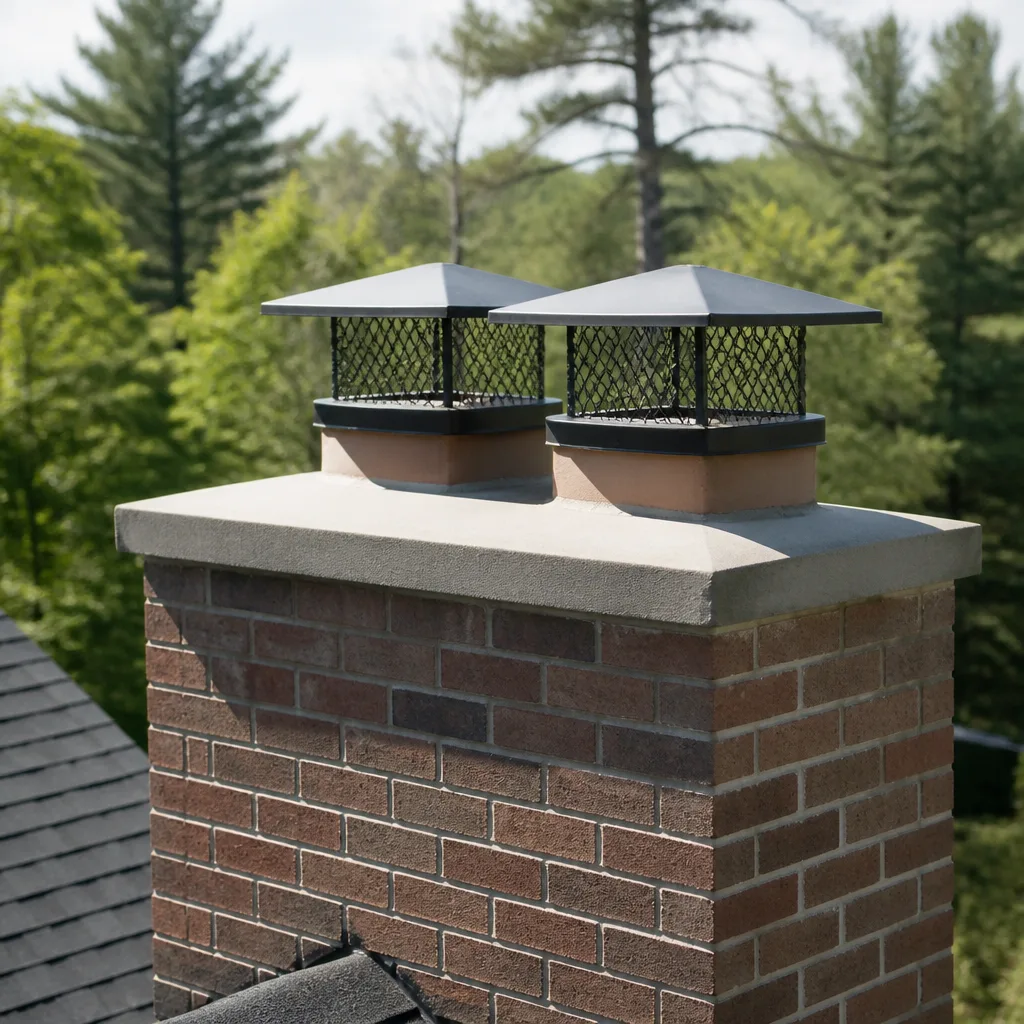 Caps & crowns
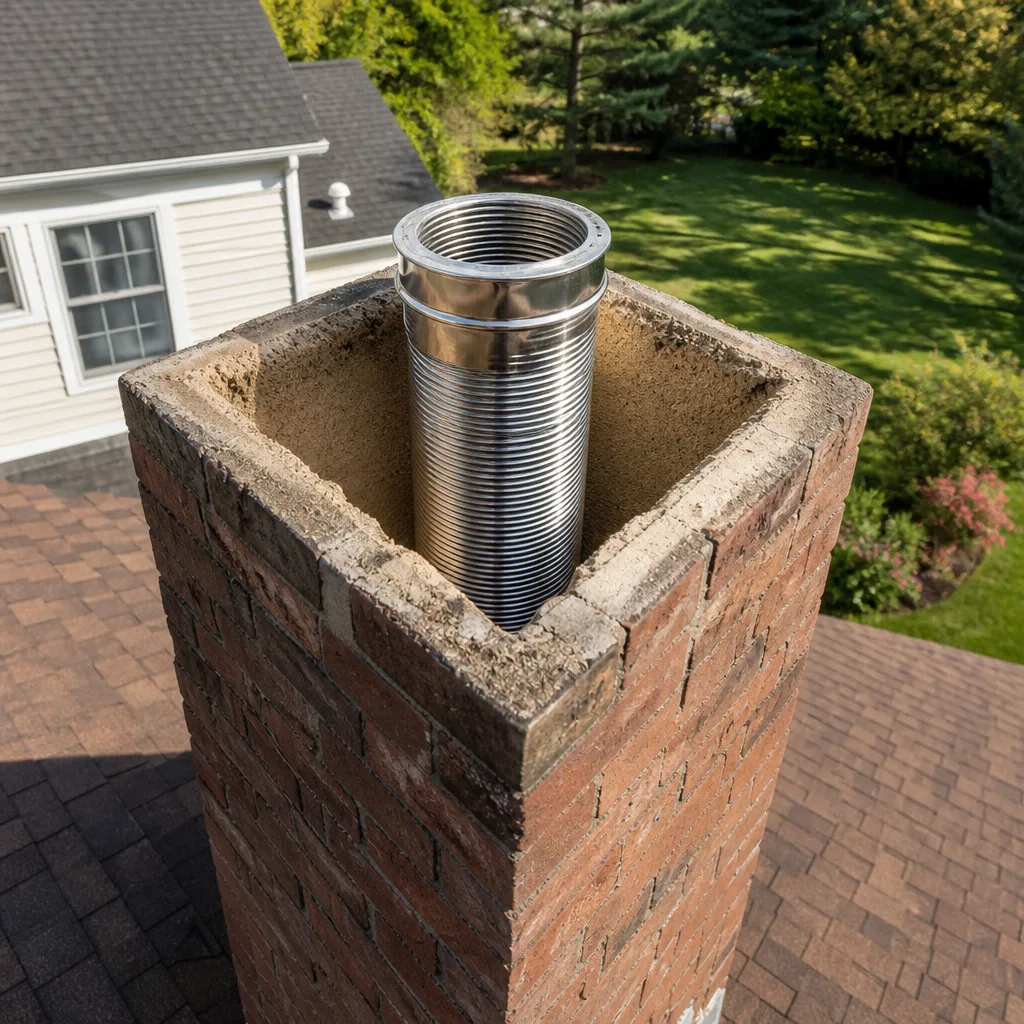 Flue relining
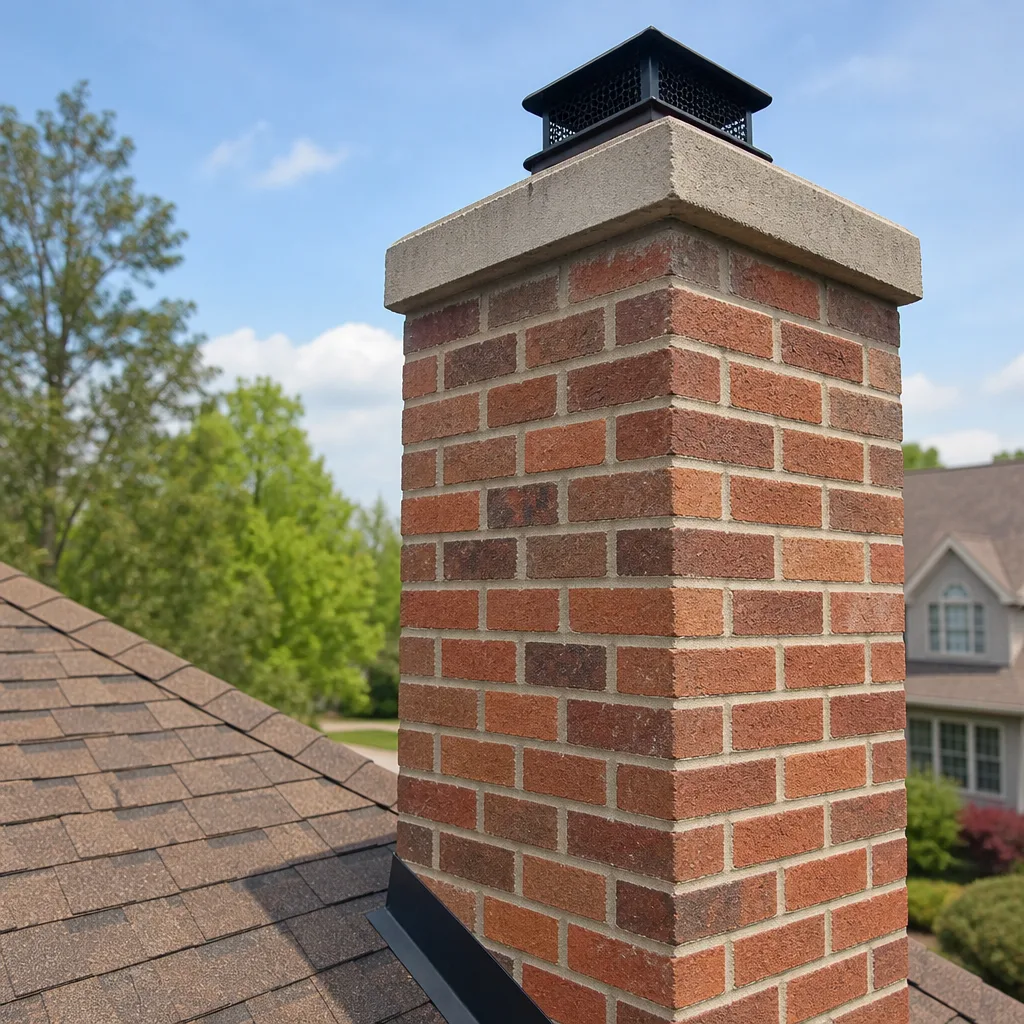 Masonry repair
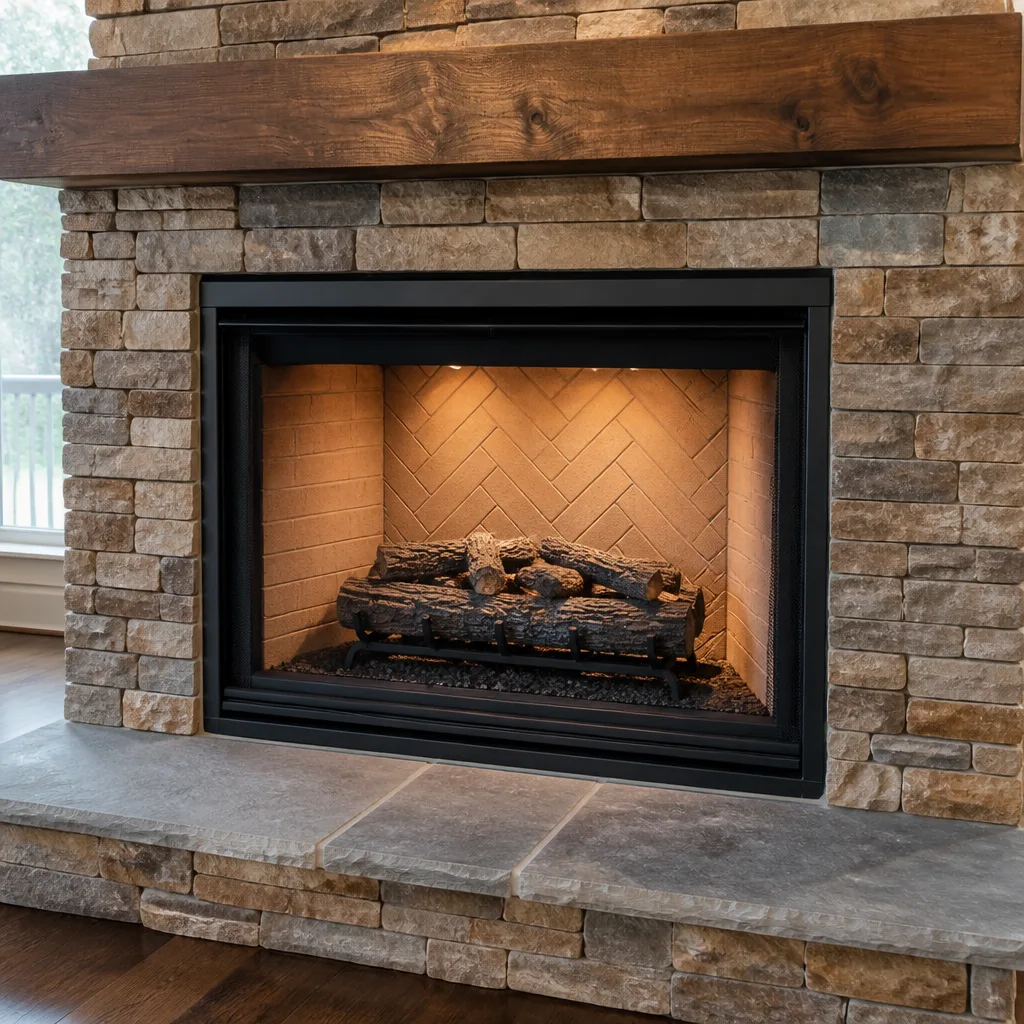 Gas fireplace service
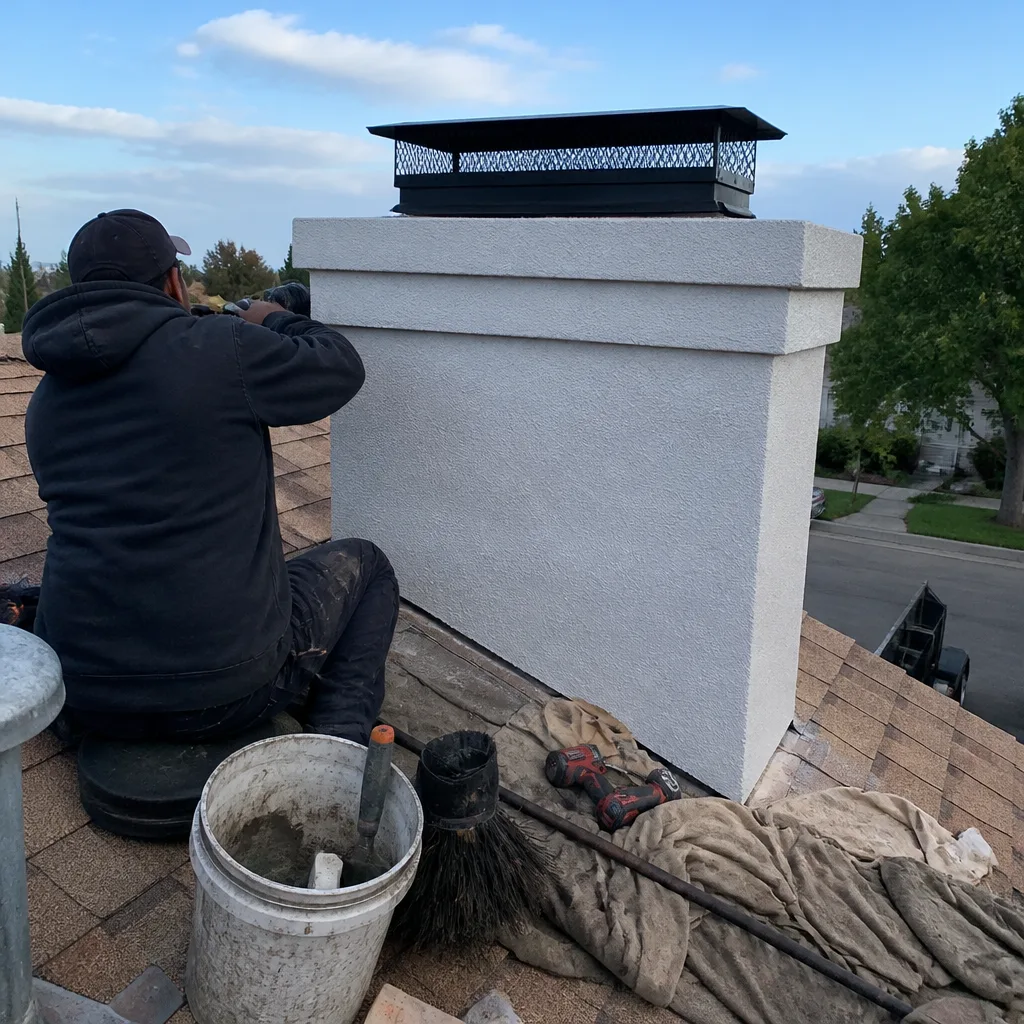
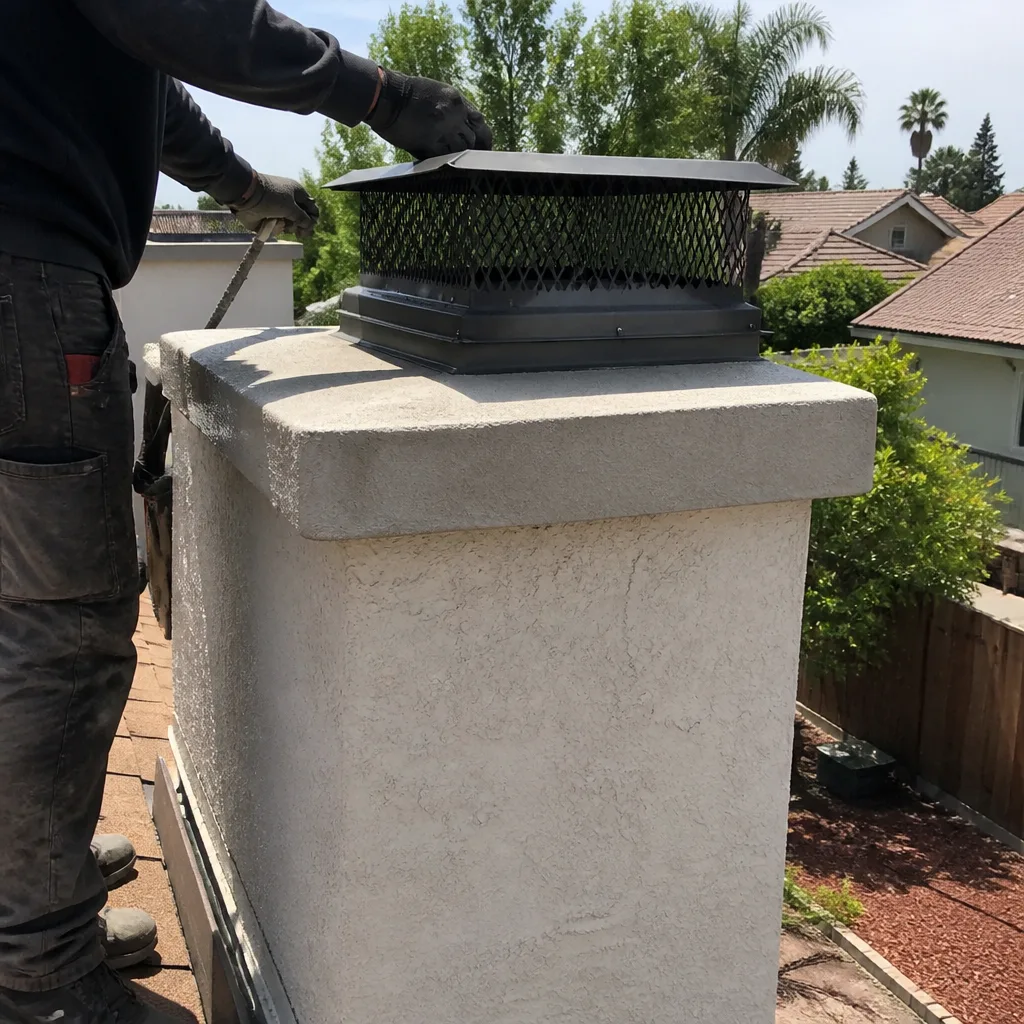
Level 1 sweep and inspection to the NFPA 211 annual standard - flue, crown, cap, and flashing checked and photographed
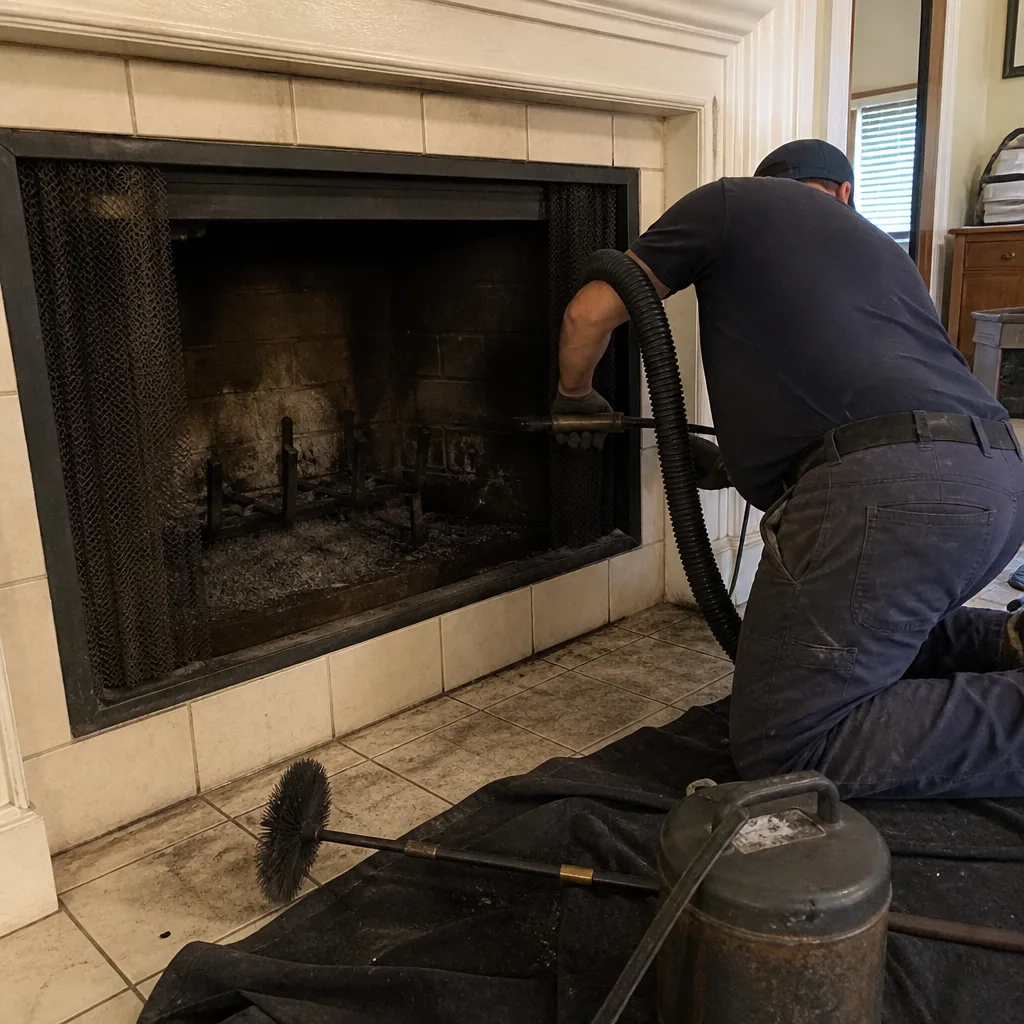
Chimney sweep logs do not sweep chimneys. They loosen some creosote - which then falls where a brush and vacuum still have to collect it.
How to Hire a Chimney Cleaning Contractor in Elk Grove: A Step-by-Step Guide
Here’s a number that should get your attention: California does not require a chimney sweep to hold any license, certification, or formal training before charging you money to clean your flue. None. The contractor who shows up at your door in Elk Grove could be a 20-year veteran with thousands of inspections under their belt, or someone who bought a brush set online last week and printed business cards yesterday. This guide and our Chimney Cleaning Emergency Preparedness Guide for Elk Grove Homes exist because the difference between those two people is the difference between a safe fireplace and a house fire you never saw coming. We’ll walk you through exactly how to separate the professionals from the pretenders, what credentials actually mean, what questions to ask, and where Elk Grove homeowners most often get burned.
Styles & brands we work with
- Sweep & inspection
- Caps & crowns
- Flue relining
- Masonry repair
- Gas fireplace service
Quick Answer
To hire a chimney cleaning contractor in Elk Grove, verify their CSIA or NFI certification online, confirm they carry both general liability and workers’ compensation insurance in California, ask for a written quote that itemizes the full flue system including the smoke chamber, and require a post-job report with interior flue photos. A legitimate sweep should be able to prove every one of these in under five minutes. If they can’t, keep looking.
Table of Contents
- Why Credentials Matter More in California Than Almost Anywhere Else
- How to Verify CSIA and NFI Certifications in Under Two Minutes
- Insurance Questions That Go Beyond “Are You Insured?”
- How to Read a Chimney Cleaning Quote Like a Pro
- Why the Cheapest Sweep Skips the Smoke Chamber (And Why That Matters)
- What a Real Post-Job Report Should Include
- What Elk Grove Homeowners Should Know About Local Chimney Conditions
- The 7-Step Hiring Process: From First Call to Final Inspection
- Common Mistakes to Avoid
- When to Call a Professional
- Frequently Asked Questions
- The Bottom Line
Why Credentials Matter More in California Than Almost Anywhere Else
Most homeowners assume that anyone working on a chimney must be licensed, bonded, and regulated. That assumption is dangerous. California’s contractor licensing system, overseen by the Contractors State License Board (CSLB), does not have a specific classification for chimney sweeping. There is no “chimney contractor license” in this state. A chimney sweep can operate legally as a handyman, a general contractor, or under no license at all if the job stays under certain thresholds. What this means for you, the homeowner in Elk Grove, is that the burden of verification falls entirely on your shoulders.
This is where third-party certification enters the picture. The Chimney Safety Institute of America (CSIA) and the National Fireplace Institute (NFI) are independent organizations that test and certify chimney professionals. A CSIA Certified Chimney Sweep has passed a rigorous exam covering fire codes, clearances, flue sizing, creosote physics, and inspection protocols. The NFI offers separate certifications for wood-burning systems and gas hearth systems. These credentials are not issued by a trade association that lets anyone pay dues. They require study, testing, and continuing education to maintain.
Here’s the practical point. When a contractor in Elk Grove carries CSIA or NFI certification, you’re not just hiring someone who knows how to run a brush up a flue. You’re hiring someone who has demonstrated knowledge of the NFPA 211 standard, which is the national code for chimneys, fireplaces, and venting systems. That’s the same standard your homeowner’s insurance company will reference if a chimney fire ever damages your home. A certified sweep’s findings will carry weight with your insurer. An uncertified sweep’s opinion might not. We’ve seen Chimney Repair Elk Grove home inspections where the homeowner’s insurance claim hinged on whether the previous sweep had documented creosote buildup properly. It matters.
Beyond certification, ask whether the company belongs to the National Chimney Sweep Guild (NCSG). Membership isn’t a substitute for certification, but it signals ongoing engagement with the profession. Contractors who join trade organizations tend to stay current on code changes, material developments, and safety practices. In a state with no licensing requirement, professional affiliation becomes one more data point in your vetting process.
How to Verify CSIA and NFI Certifications in Under Two Minutes
Anyone can put “certified” on a website or a business card. That’s the uncomfortable truth. The good news is that both CSIA and NFI maintain searchable online directories, and checking them takes less time than brewing coffee. Here’s the exact process.
- Go to the CSIA website and click “Find a Certified Sweep” in their directory section.
- Enter the contractor’s name, company name, or your Elk Grove zip code. The system will show all certified sweeps in your area.
- Look for the certification ID number next to the name. Every certified sweep has one. Write it down.
- Repeat the process on the NFI website under their “Find a Certified Professional” tool. Note that NFI certifies specific systems, so check whether they’re certified for wood, gas, or pellet, depending on what you have.
- Call the contractor and ask them to confirm their certification number. If the number doesn’t match the directory, ask why. Renewals happen annually, so a lapsed certification is a red flag worth understanding.
One more verification layer worth considering: the California Contractors State License Board website. Even though chimney sweeping itself doesn’t require a CSLB license, many full-service chimney companies in the Elk Grove area carry a general building contractor’s license (Class B) or a specialty license because they also perform structural repairs, liner installations, or masonry work. A company that installs a Chimney Repair in Elk Grove liner system should absolutely have some form of contractor licensing for that scope of work. Checking the CSLB database takes 30 seconds and tells you whether the company has any judgments, complaints, or license suspensions on record.
The takeaway: verification is not paranoia. It’s the single highest-leverage thing you can do before handing over a deposit. And it’s free.
Insurance Questions That Go Beyond “Are You Insured?”
Every contractor will tell you they’re insured when you ask. Most homeowners stop there. That’s a mistake, because “insured” is a meaningless word unless you know what type of insurance, what the limits are, and whether that coverage actually protects you when something goes wrong on your property in Elk Grove.
The two policies that matter for chimney work are general liability and workers’ compensation. General liability covers damage to your home. If a sweep knocks a ladder into your skylight or drops a brush and cracks your hearth, their general liability policy pays for it. Workers’ compensation covers injuries to the workers themselves. If a technician falls off your roof and breaks a leg, workers’ comp pays their medical bills and lost wages. Without workers’ comp, that injured worker can file a claim against your homeowner’s insurance. In California, workers’ compensation is required for any employer with employees. A sole proprietor with no employees may legally operate without it. That means if a one-person operation gets hurt on your property, you’re potentially on the hook.
Here’s what to ask, word for word:
- “Do you carry general liability insurance, and what is your coverage limit?” A legitimate chimney company should have at least $1 million in general liability coverage. Anything less is insufficient for residential work.
- “Do you carry workers’ compensation insurance?” If they have employees, the answer must be yes. Ask for the policy number. If they don’t have employees, ask them to confirm that in writing.
- “Can you add me as an additional insured on your policy for the day of the job?” This one separates serious operators from casual ones. A contractor who can add you as an additional insured is one whose broker answers the phone. It costs them a few minutes of paperwork. If they balk, they’re either uninsured or unwilling to do paperwork, and neither is good.
- “Has your company ever had a liability claim related to property damage?” This is a question most homeowners never ask, and the answer will tell you a lot. A company that answers honestly and explains what happened and what they changed is far more trustworthy than one that gets defensive.
In our experience, the insurance conversation is where a lot of Elk Grove homeowners learn what kind of operation they’re actually dealing with. A professional chimney company will answer these questions without hesitation because they’ve answered them a hundred times. A handyman with a brush and a truck will start hedging. That hesitation is your signal.
How to Read a Chimney Cleaning Quote Like a Pro
Most chimney cleaning quotes in Elk Grove are one line: “Chimney cleaning: $XX.” That’s not a quote. That’s a number with no context. A real quote tells you what the contractor actually plans to do, and what they’re including tells you more about their quality than the price ever could.
A professional chimney cleaning in Elk Grove typically ranges from $180 to $350, depending on the chimney’s condition, the type of system, and whether it’s been cleaned recently. For a detailed breakdown, see our Chimney Cleaning Cost Breakdown: The Elk Grove Homeowner’s Reference for 2026. Gas fireplaces usually run lower, typically $130 to $220 for a basic service. Wood-burning fireplaces with significant creosote buildup or an overdue cleaning can push toward the higher end. If you see a quote for $79, that’s not a deal. That’s a service that’s cutting corners somewhere, and you’re about to find out where.
Here’s what a proper quote should include as line items:
- Full flue cleaning from firebox to cap. If the quote doesn’t specify the full system, the sweep may be planning to clean only what they can reach from the fireplace opening.
- Smoke chamber cleaning. This is the area above the damper where the flue widens before narrowing into the chimney. It’s the most labor-intensive part of the job because brushes don’t reach it well. More on this below.
- Cap, damper, and crown inspection. A sweep who never goes on the roof isn’t inspecting the parts of your system most exposed to weather.
- Interior flue video or photo documentation. You should receive photographic evidence of what the flue looked like before and after cleaning.
- Creosote level assessment. Creosote is classified as Stage 1, 2, or 3. Your report should tell you what was found and what it means.
- Recommendation summary. Any noted cracks, gaps, water damage, or clearance issues should be documented in writing.
Missing line items are not accidental. A quote that doesn’t mention the smoke chamber means the contractor is either planning to skip it or doesn’t understand the job well enough to know it needs doing. A quote with no mention of roof-level inspection means they’re not checking the cap, crown, or flashing. A quote with no photo documentation means you’ll have no way to verify the work was actually done. When we perform a Chimney Sweep in Elk Grove, every one of those line items is standard, not optional.
Why the Cheapest Sweep Skips the Smoke Chamber (And Why That Matters)
The smoke chamber is the most commonly neglected part of a residential chimney system, and it’s the place where the difference between a real sweep and a discount sweep becomes obvious. The smoke chamber sits between the damper and the flue, and its shape creates exactly the kind of turbulence that causes creosote and soot to accumulate. It’s also shaped like an inverted funnel, which makes it extremely awkward to clean with standard brushes.
Here’s what happens with a cheap sweep. They run a brush up the flue, which knocks loose the creosote in the main liner. Some of that debris falls into the smoke chamber and sits there. The sweep then vacuums the firebox, sweeps up, takes your money, and leaves. The smoke chamber still has all the buildup it had before, plus whatever fell into it during the cleaning. You paid for a service that only cleaned part of your system. The contractor saved 30 to 45 minutes of labor by skipping the hardest part of the job. That’s why the quote was cheap.
From a safety perspective, this matters enormously. Creosote in the smoke chamber is just as combustible as creosote in the flue. A chimney fire doesn’t care where the fuel is located. If enough creosote accumulates in the smoke chamber and the conditions are right, that chamber can reach combustion temperature and ignite. We’ve inspected Elk Grove fireplaces where the flue looked passable but the smoke chamber had a quarter-inch of glazed creosote hiding around the corbels. That’s a house fire waiting for the right evening in January.
A legitimate chimney cleaning includes mechanical cleaning of the smoke chamber using specialized tools like rotary loop systems or hand scraping, followed by vacuuming and visual inspection. This takes time, and time is money. That’s why the discount companies skip it. When you’re comparing quotes in Elk Grove, ask the question directly: “Does your cleaning include the smoke chamber?” If the answer is vague or evasive, you’ve found the difference between a sweep and a real chimney service.
What a Real Post-Job Report Should Include
The post-job report is where you find out whether you hired a professional or paid for a brush and a handshake. A real chimney cleaning report in Elk Grove should leave no doubt about what was done, what was found, and what needs attention. Here’s what to expect.
Photographic documentation of the flue interior. Not a photo of the cap from the ground. Not a shot of the fireplace after cleaning. You want images taken inside the flue, showing the condition of the liner before and after the work. Any contractor using a modern chimney camera system can provide this. If the report has no photos, or only photos of the exterior, you have no proof the flue was actually cleaned.
A creosote classification. The report should state whether the creosote was Stage 1 (flaky, brushable), Stage 2 (harder, requiring mechanical removal), or Stage 3 (glazed, requiring chemical treatment or removal). This classification tells you how urgent the next cleaning will be and whether your burning habits need to change.
A written condition assessment. Any cracks in the flue tiles, gaps in the mortar joints, water staining, rust on the damper, or damage to the cap should be noted and explained. A report that says “all good” with no specifics tells you the inspection was superficial.
Clearance and code notes. If the sweep noticed improper clearances to combustibles, missing fire-stopping, or code violations, those should be documented in writing. These notes protect you if an insurance claim ever comes up.
Repair recommendations with urgency levels. A real report distinguishes between “needs attention now,” “plan for this season,” and “monitor over the next year.” If a contractor tells you everything needs immediate repair, especially if you didn’t see the evidence yourself, get a second opinion. Conversely, if they found Stage 3 creosote and didn’t flag it as urgent, their silence is a problem.
When we complete a chimney cleaning for a Dryer Vent Cleaning in Elk Grove customer, the report goes out the same day, and every finding is traceable to a photo. That’s not an upsell tactic. That’s what accountability looks like.
What Elk Grove Homeowners Should Know About Local Chimney Conditions
Elk Grove sits in Sacramento County, where the climate is dry most of the year but delivers real rain from November through March. That seasonal pattern creates specific challenges for chimney systems that homeowners in wetter or colder climates don’t face the same way.
The first is that our dry season allows masonry to fully drop all moisture content, which sounds good but actually makes spalling (surface flaking of bricks) more pronounced when the rains return. Chimneys in Elk Grove go from bone-dry to rain-saturated in a matter of weeks. That cycle stresses mortar joints, and over time it opens gaps where water can penetrate. Once water gets into a masonry chimney, you’re looking at freeze-thaw damage, rusting dampers, and crumbling crowns. It’s a slow process until it isn’t.
The second local condition is creosote density from our wood types. Elk Grove homeowners burning almond or oak firewood, both common in the Central Valley, are working with dense hardwoods that burn hot and long. That’s good for heat output, but those same woods produce sticky creosote that clings to flue walls, especially in the shoulders of the burning season when fires are frequent but not always burning hot enough to fully combust the creosote. We’ve seen Elk Grove chimneys with Stage 2 creosote after a single season of heavy burning. Inspections matter here.
Third, many Elk Grove developments built in the 1990s and early 2000s have prefabricated or factory-built fireplaces rather than masonry chimneys. These systems have different clearances, different liner ratings, and different failure modes than traditional masonry. A contractor familiar with Elk Grove’s housing stock will know to differentiate between a masonry flue in an older Laguna West home and a factory-built system in a newer Sheldon-area development. That local familiarity is real value, not marketing fluff.
The 7-Step Hiring Process: From First Call to Final Inspection
By this point, you know what to look for and why. Here’s the process in order, so you can move from searching to hiring without missing anything.
- Build a shortlist of 3 to 5 contractors. Start with the CSIA and NFI directories, then cross-reference with local referrals from Elk Grove neighbors. Avoid relying solely on review platforms, which are easy to manipulate and tell you nothing about certification.
- Make the verification call. Call each candidate and ask for their CSIA or NFI certification number, their general liability limit, their workers’ comp status, and whether they can add you as an additional insured. This call should take 10 minutes and will eliminate at least half your list.
- Verify all claims online. Spend 5 minutes confirming each certification number in the online directories and checking the CSLB database for any red flags. If anything doesn’t match, cross that contractor off.
- Request a written, itemized quote. Insist on line items covering the full flue, smoke chamber, cap and crown inspection, and photo documentation. If the quote is one line, ask for detail. If they won’t provide it, move on.
- Ask the smoke chamber question directly. “Does your cleaning include the smoke chamber?” Listen to the answer. Any hesitation, vagueness, or attempt to change the subject means the answer is functionally no.
- Review the report immediately after the job. Before paying, sit down with the technician and go through the photos and findings. Ask questions about anything you don’t understand. A professional will welcome this. A contractor who seems annoyed by your questions is telling you something.
- File the report with your home records. Keep it alongside your insurance paperwork. If you ever need to file a claim related to a chimney fire or water damage, that documentation supports your case.
Common Mistakes to Avoid
- Hiring based on price alone. The $79 Elk Grove sweep exists for a reason. That reason is a skipped smoke chamber, a rushed inspection, and no documentation. You’re not saving $200; you’re buying an incomplete service.
- Assuming a license equals chimney expertise. California doesn’t require a chimney-specific license, so a general contractor’s license proves legality, not chimney knowledge. Certification fills the gap. Verify both.
- Skipping the insurance verification. Asking “are you insured?” and accepting a verbal “yes” is not verification. A contractor without workers’ comp who gets injured on your property creates a liability scenario your homeowner’s policy may not cover.
- Accepting a one-line quote. A quote that says “chimney cleaning: $200” gives you zero protection. You can’t hold a contractor to line items that were never written down.
- Not asking about the smoke chamber. This is the single best test of whether a contractor is thorough or quick. Most discount sweeps hope you never learn the term.
- Failing to review photos before paying. Photos prove work was done and give you a baseline for future inspections. Without them, you’re trusting a stranger’s word about the inside of your chimney.
- Treating dryer vents as an afterthought. Dryer vent cleaning is one of the top residential fire hazards in Elk Grove and nationally. Many homeowners handle it as an afterthought or skip it entirely. A clogged dryer vent causes thousands of house fires yearly, and a chimney contractor who also services dryer vents can address both of your home’s leading fire-venting risks in a single visit.
When to Call a Professional
Chimney cleaning is not a DIY project, and that position is about safety, not gatekeeping. Creosote removal requires specialized brushes, vacuums, and an understanding of flue anatomy that you cannot acquire from a YouTube video. More importantly, any work that requires ladder access to a roof, manipulation of a damper, or inspection of a flue liner carries real fall and respiratory hazards. If you notice any of the following, call a professional rather than attempting to address it yourself: visible creosote buildup (shiny, tar-like deposits on the flue walls), a strong smoky odor even when the fireplace is not in use, reduced draft or smoke spilling into the room, animal nesting sounds or debris, or water staining around the chimney interior. Chimney Repair Elk Grove offers free estimates in Elk Grove, call (833) 620-0280 to schedule an inspection.
Frequently Asked Questions
A standard chimney cleaning in Elk Grove typically costs between $180 and $350 for a wood-burning fireplace, while gas fireplace service usually runs $130 to $220. The final price depends on creosote level, system type, accessibility, and whether repairs are needed. Be wary of quotes below $100, which almost always indicate skipped steps like smoke chamber cleaning. Call (833) 620-0280 for an exact quote; estimates are free.
The National Fire Protection Association recommends cleaning when creosote reaches 1/8 inch of accumulation, which in practice translates to annual cleaning for most wood-burning fireplaces in Elk Grove. Homes that burn denser hardwoods like oak or almond, or that use the fireplace as a primary heat source, may need cleaning every 6 to 12 months. An annual inspection is wise even if you burn infrequently, because animals, weather, and structural deterioration don’t check your usage schedule.
Not necessarily. A liner needs replacement when it has cracks, gaps, or deterioration that allows heat or combustion gases to reach combustible materials, or when water damage has compromised the flue tiles. But a professional should show you camera evidence of the damage before recommending a reline. Some liner issues can be addressed with restoration products like HeatShield, which resurfaces deteriorating flue tiles without a full teardown. If a contractor recommends a full reline without showing you photos, get a second opinion. Call (833) 620-0280 to have your liner assessed with photo documentation included.
Skipping a cleaning lets creosote accumulate, and creosote is the fuel for chimney fires. At Stage 1, it’s an inconvenience. At Stage 2, it’s a legitimate fire risk. At Stage 3, you’re one hot fire away from a chimney fire that can crack your flue liner, spread to your roof structure, and trigger a house fire. Even without a fire, built-up creosote restricts draft, causing smoke to enter your home and carbon monoxide levels to rise. In Elk Grove’s dry summer months, creosote also becomes more combustible because the moisture that normally keeps it somewhat stable has evaporated.
Routine chimney cleaning is maintenance, not a covered loss, so your policy won’t pay for it. However, if a chimney fire or water damage event occurs, your insurance company will likely ask for documentation that the chimney was properly maintained. That’s where a certified sweep’s inspection report and photos become valuable. In some cases, a documented lack of maintenance can give the insurer grounds to deny a related claim.
A chimney sweep’s primary focus is removing creosote, soot, and debris from the flue system. A full-service chimney company handles that work plus structural repairs, liner installation, water damage remediation, and component replacement. The distinction matters because a sweep who finds damage during a cleaning can’t always fix it. That means hiring a second contractor, paying for a second visit, and waiting on a second schedule. A full-service provider using contractor-grade materials like DuraFlex liners and HeatShield restoration products can address findings from the same visit and often the same appointment. Call (833) 620-0280 to discuss your chimney’s needs and get a clear picture of what service level makes sense.
The Bottom Line
Hiring a chimney cleaning contractor in Elk Grove comes down to verification, documentation, and asking the right questions before money changes hands. Verify certifications online. Confirm insurance coverage beyond a verbal yes. Demand an itemized quote that includes the smoke chamber. Review photos before you pay. The $79 sweep is a false economy that leaves the hardest part of the job undone and leaves you unprotected if something goes wrong. A certified, insured, thorough contractor costs more because they do more. That difference is the point. In a state that won’t ensure your safety, you have to. For more guides & resources, visit our blog. If you’re ready to move forward with a contractor who checks every box this guide describes, call (833) 620-0280 for a free estimate in Elk Grove.
Written by the team at Chimney Repair Elk Grove, serving Elk Grove since 2012.
See the difference
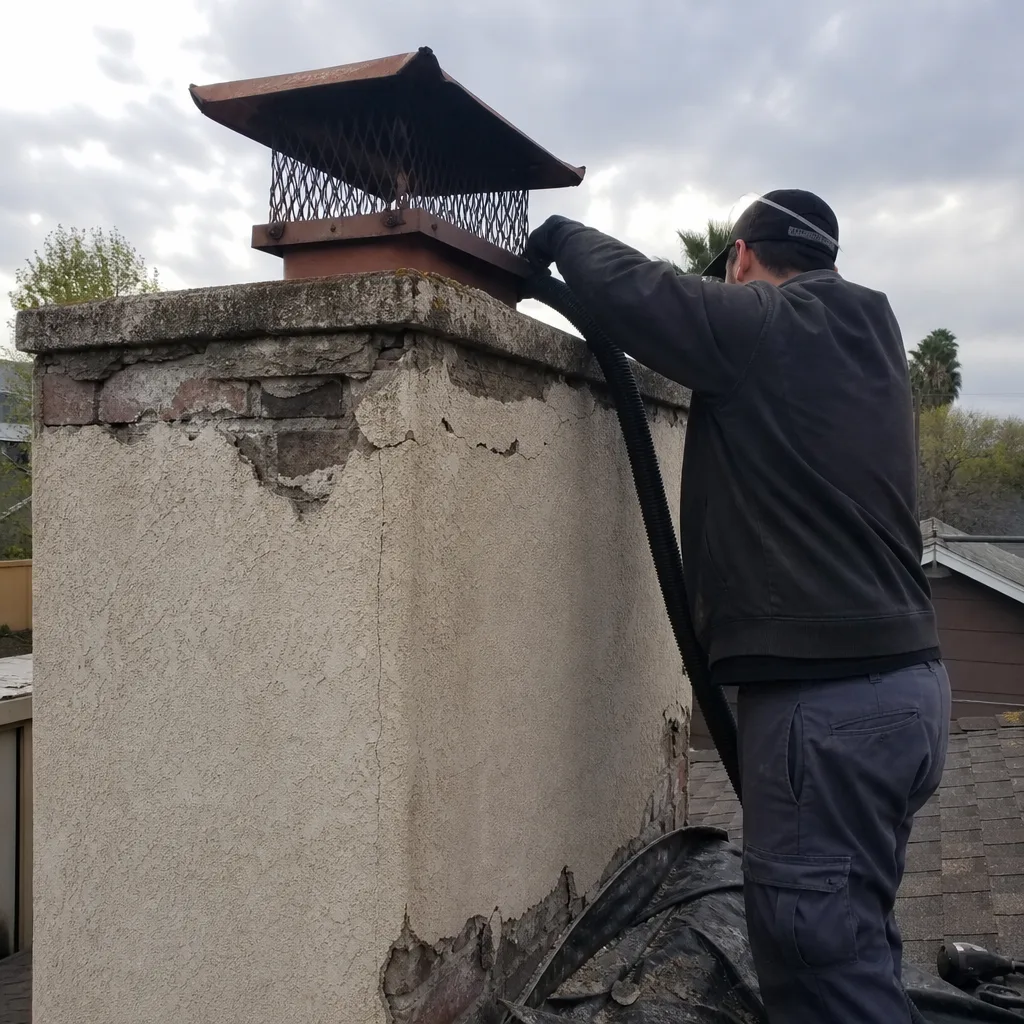 Before
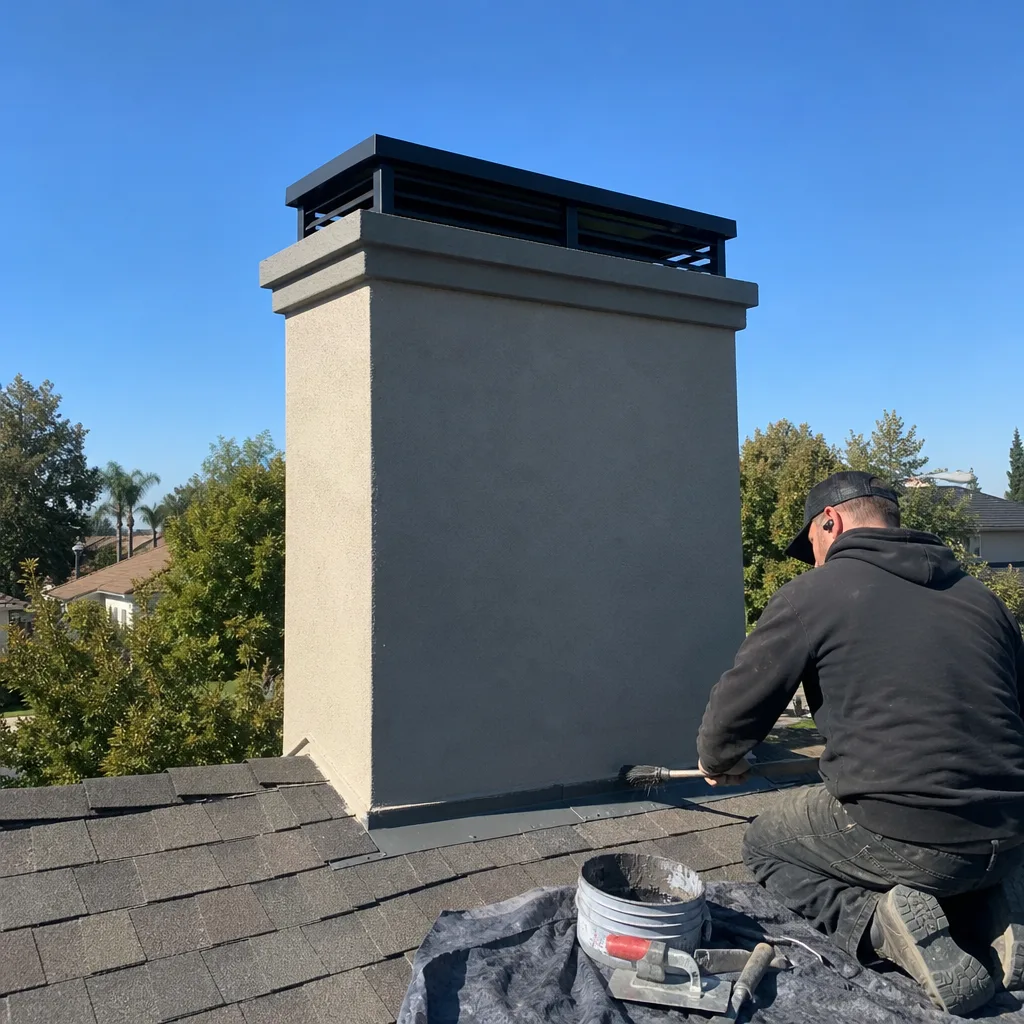 After
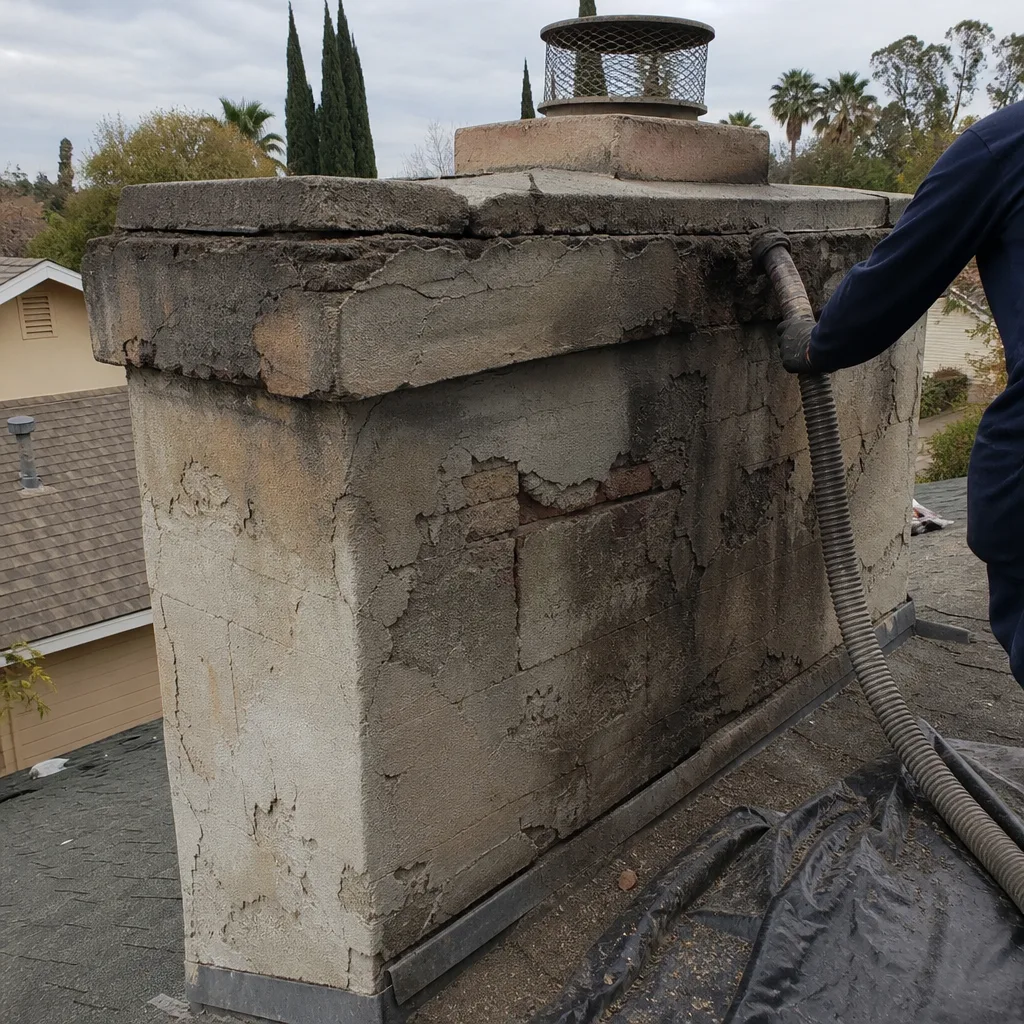 Before
 After
 Before
 After