
Last updated November 3, 2026
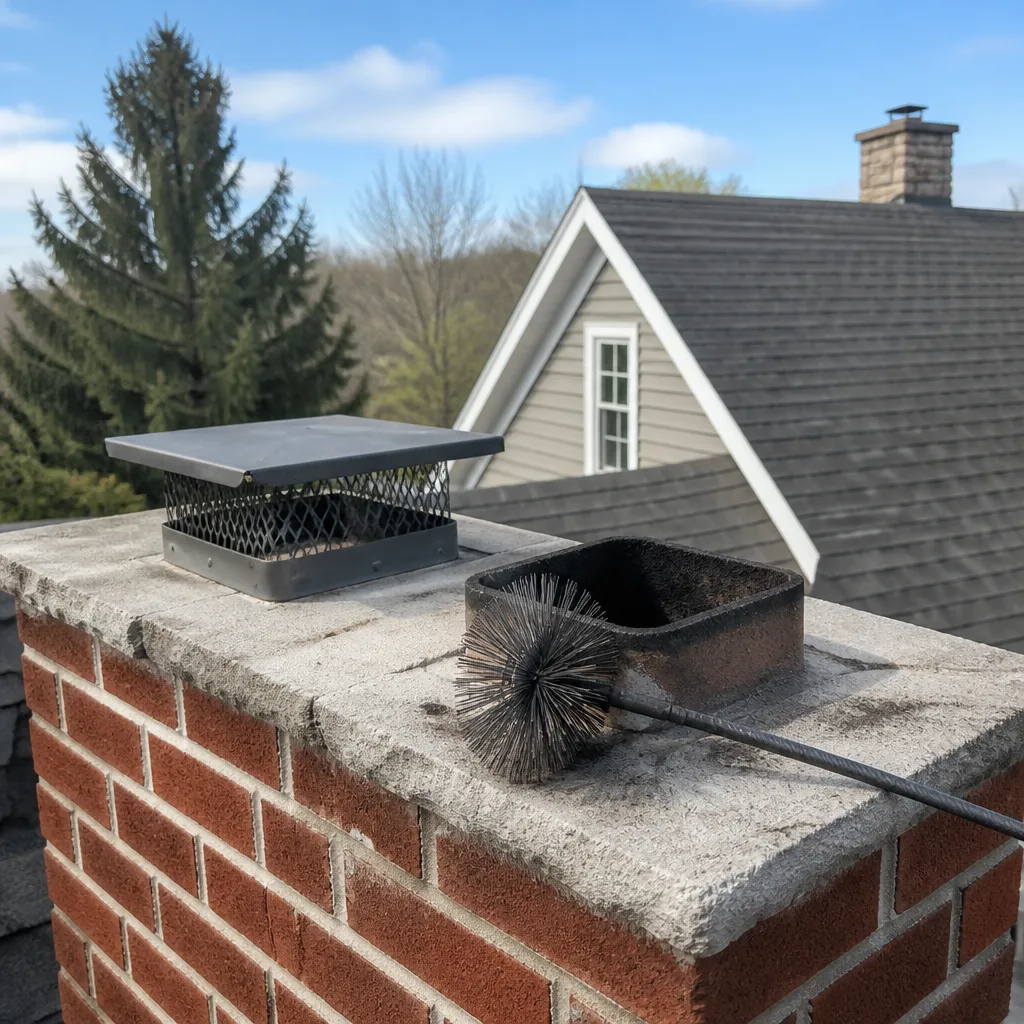 Sweep & inspection
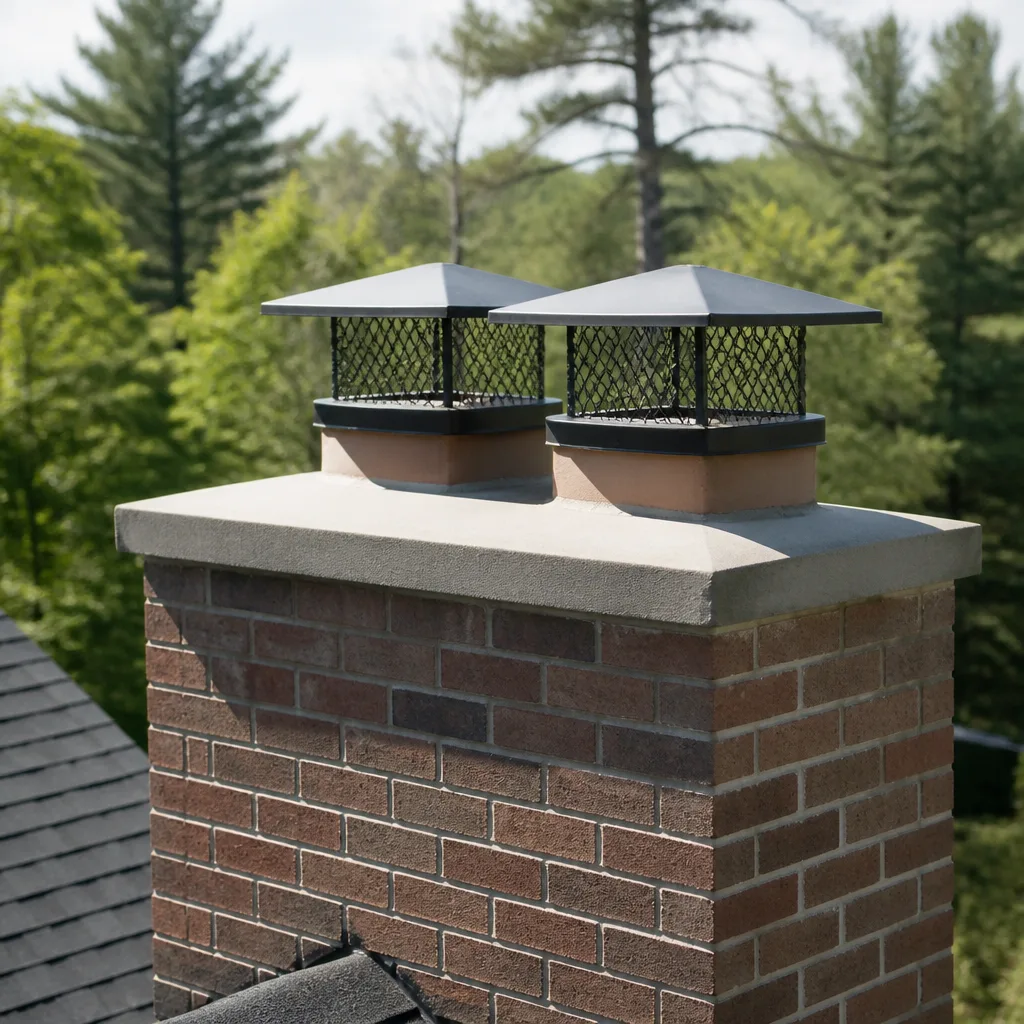 Caps & crowns
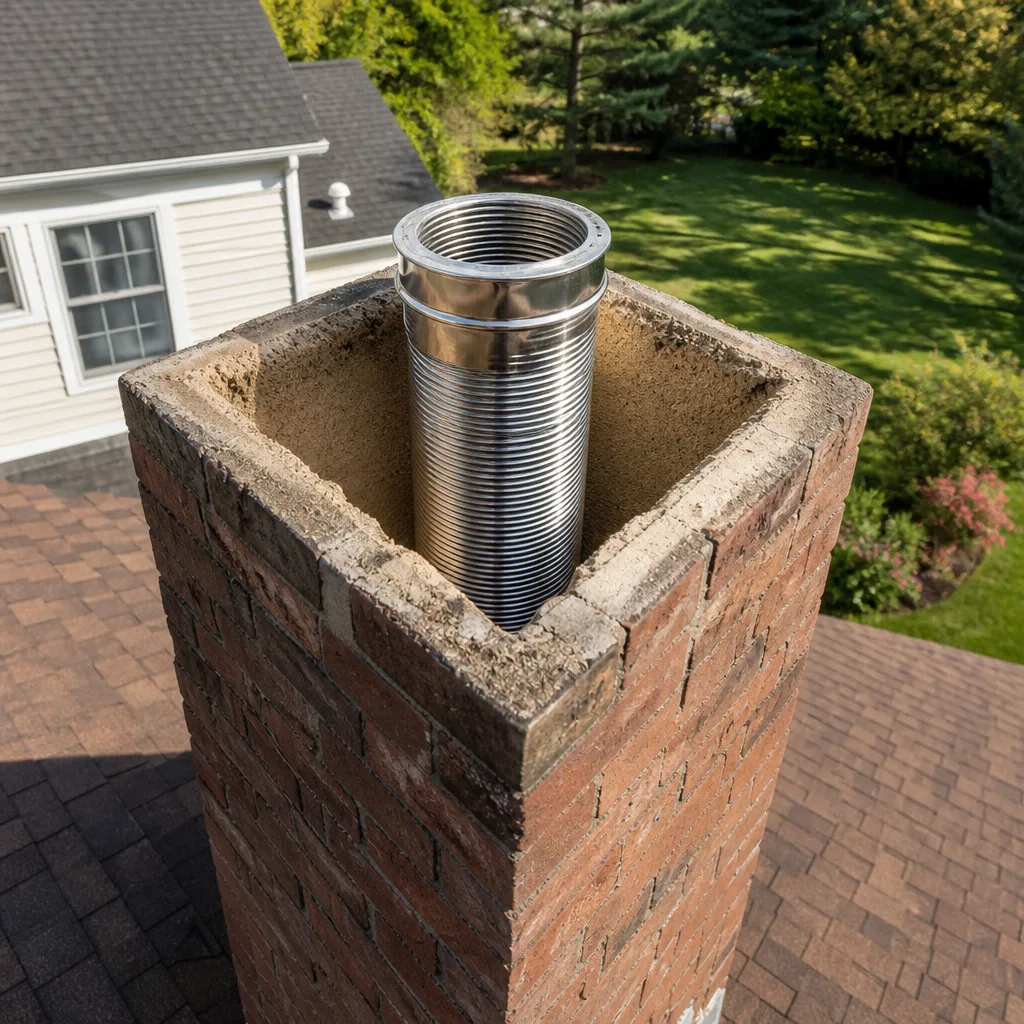 Flue relining
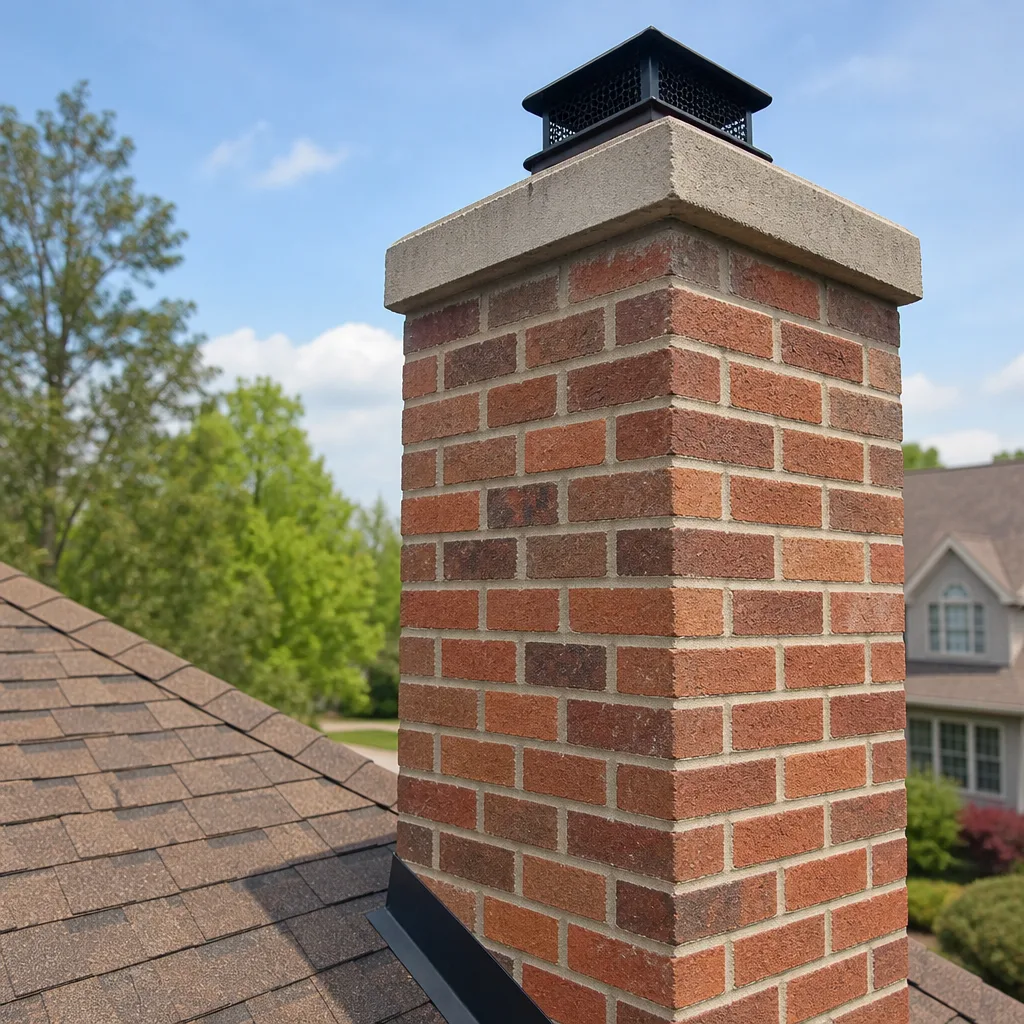 Masonry repair
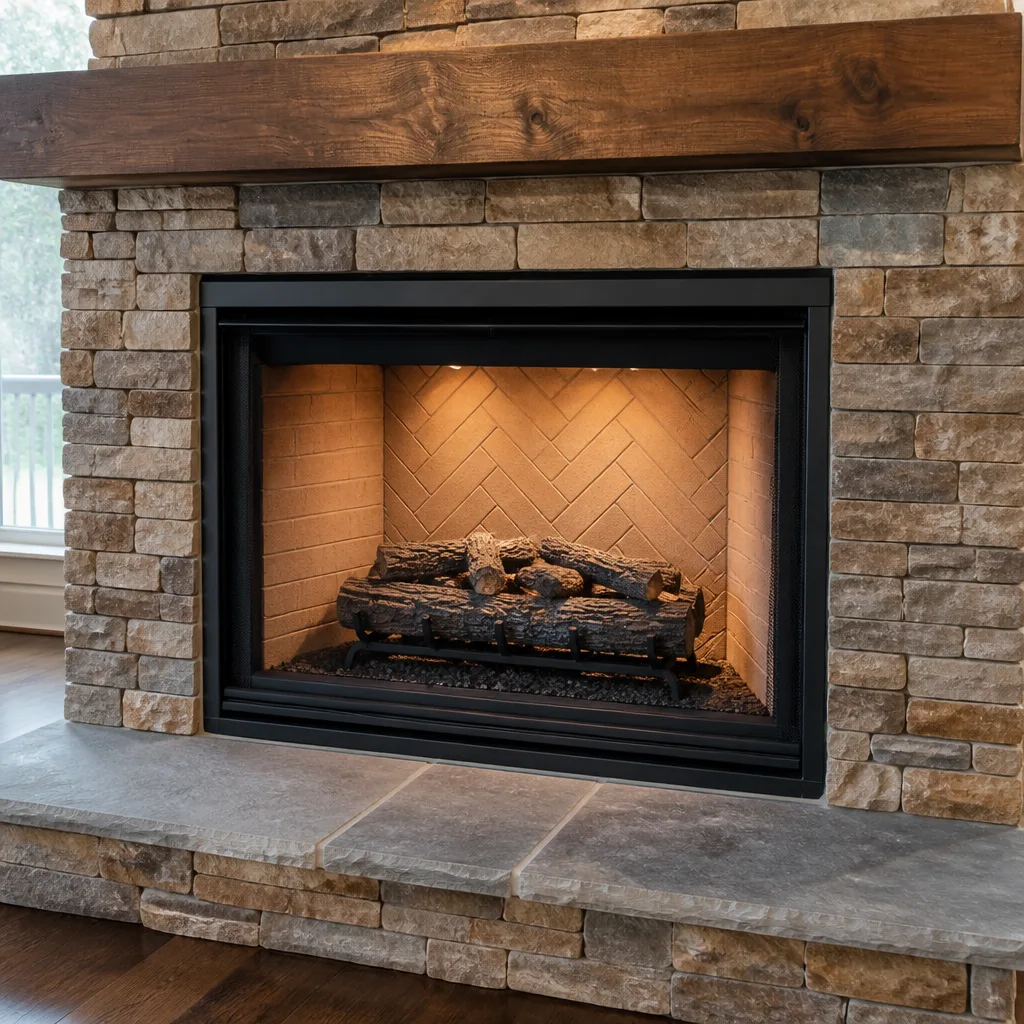 Gas fireplace service
Level 1 sweep and inspection to the NFPA 211 annual standard - flue, crown, cap, and flashing checked and photographed
Chimney sweep logs do not sweep chimneys. They loosen some creosote - which then falls where a brush and vacuum still have to collect it.
Choosing the Right Chimney Cleaning Brand: A Buyer’s Guide for Elk Grove
Most Elk Grove homeowners never ask what brand of brush or rod their chimney sweep uses. That’s a mistake. A fiberglass rod that flexes too much on a 25-foot flue doesn’t actually scrub the tile surface. It traces the center of the flue like a loose toothbrush and leaves creosote sitting on the walls where it matters most. The rod material, the brush stiffness, and the wire gauge change the cleaning result. This guide explains what separates contractor-grade chimney cleaning equipment and materials from consumer substitutes, how to spot the difference, and why it matters for your fireplace, your liner, and your family’s safety. For a broader look at maintenance, see our The Complete Chimney Sweep Guide for Elk Grove Homeowners.
Quick Answer
The right chimney cleaning brand depends on what you’re cleaning and what you’re cleaning it with. Professional contractors in Elk Grove use stiff poly or wire brushes sized to your exact flue dimensions, fiberglass or polymer rods that keep rigidity through the full length of the flue, rotary systems for Stage 2 creosote, and chemical modifiers like ACS that loosen glaze before mechanical removal. Hardware-store kits flex too much, wear down quickly, and often leave deposits on flue walls that turn into a fire hazard later. The brand matters less than the specification, but the specifications are what separate professional results from a surface-level sweep.
Styles & brands we work with
- Sweep & inspection
- Caps & crowns
- Flue relining
- Masonry repair
- Gas fireplace service
Table of Contents
- Why the Brand on the Brush Actually Matters
- Professional-Grade Brushes vs. Consumer Kits: What Changes
- Rotary Cleaning Systems and Stage 2 Creosote
- Chemical Creosote Modifiers: Legitimate Tool, Not an Upsell
- Liner Compatibility: Terra Cotta, Stainless, and Aluminum
- Inspection Cameras: What Professional Documentation Looks Like
- Repair Materials That Follow the Same Logic
- What Elk Grove’s Climate Does to Chimney Systems
Why the Brand on the Brush Actually Matters
A chimney brush is not a commodity. The difference between a professional-grade brush from a manufacturer like Rutland or Wooster and a no-name kit from a big-box store comes down to three things: bristle stiffness, wire gauge, and how the brush attaches to the rod. Professional brushes use oil-tempered steel wire or stiff polypropylene bristles that maintain contact with the flue wall under pressure. Consumer brushes often use thinner wire or softer plastics that deflect away from the tile surface instead of scraping it.
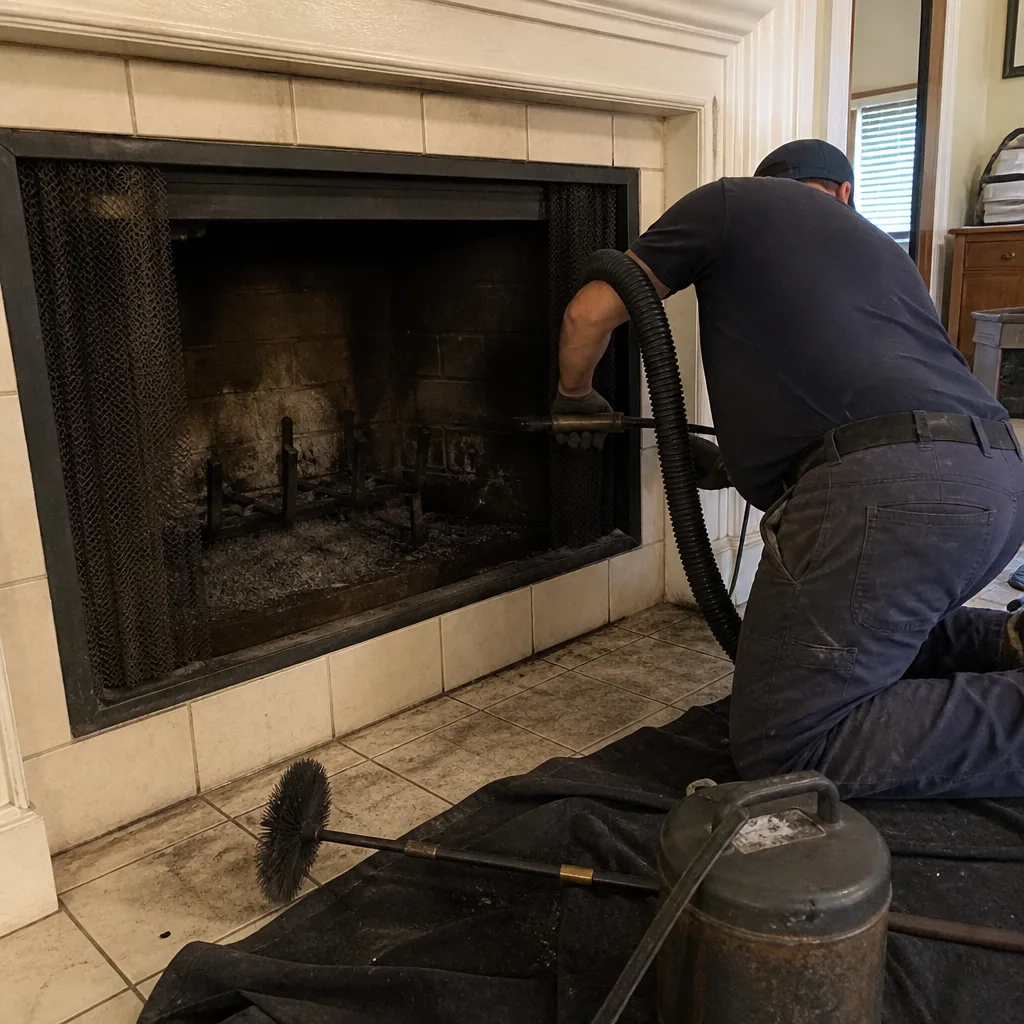
In our work across Elk Grove, we’ve seen the difference firsthand. A flue that’s been cleaned for years with consumer-grade equipment often has a uniform layer of Stage 1 creosote glazed onto the upper third of the tile. It looks clean from the firebox, but run a camera up there and you’ll see the deposits. The homeowner paid for a sweep every year and got the center of the flue cleaned, not the walls. The fix is a rotary cleaning with professional-grade equipment, and sometimes a chemical treatment to break down what’s left.
When a contractor shows up with a brush, ask what it’s made of. A legitimate professional will tell you the bristle material and the wire gauge without pausing. If they can’t answer, that’s information too. For a deeper look at what a thorough Chimney Sweep in Elk Grove should include, we’ve written a full breakdown of the process.
What Separates Professional Brushes
- Oil-tempered steel wire: Holds its shape through hundreds of sweeps. Doesn’t flatten against the flue wall.
- Stiff polypropylene: Made for stainless and aluminum liners where steel wire would scratch. Still stiff enough to remove Stage 1 creosote.
- Full-circumference contact: The brush diameter matches the flue dimensions, not a generic size that leaves gaps.
- Secure rod attachment: Threaded or locked connections that don’t separate inside the flue. A brush head lost in a flue is a retrieval job, not a simple fix.
Professional-Grade Brushes vs. Consumer Kits: What Changes
The most common consumer chimney cleaning kit in America is a SootEater-style rotary system that attaches to a drill. It’s not a bad tool for light maintenance between professional visits. But it has limits, and those limits become obvious in older Elk Grove chimneys where creosote has had years to build up. The rods in consumer kits are typically 3/8-inch nylon or fiberglass that flexes significantly over 15 feet. In a 25-foot flue, that flex means the brush bounces off the tile instead of scraping it.
Professional rod systems are different. They use materials like copolymer or fiberglass with a thicker diameter, often 1/2-inch or larger, with threaded connections that stay rigid under torque. The rods don’t whip. They transfer the rotation to the brush head so the bristles actually work against the flue surface. A contractor-grade rotary system, used correctly, removes Stage 2 creosote that a consumer kit can’t touch.
The other factor is brush sizing. Professional contractors carry brushes in multiple diameters because flues are not all the same size. A 13×13 terra cotta flue needs a different brush than an 8-inch round stainless liner. Consumer kits ship with one brush size and maybe an adapter. If the brush is undersized for your flue, it cleans the center and leaves the walls coated. If it’s oversized, it gets stuck. Both are common calls we get from homeowners who tried the DIY vs Professional Chimney Cleaning: The Elk Grove Homeowner’s Decision Guide route first.
For homeowners who want the full picture on what a professional Chimney Repair Elk Grove home scope covers, we walk through the inspection process step by step.
Rotary Cleaning Systems and Stage 2 Creosote
Creosote forms in stages. Stage 1 is a dusty soot that brushes off relatively easily. Stage 2 is a tar-like glaze that hardens onto flue tiles. Stage 3 is a hardened, shiny deposit that’s extremely difficult to remove and is the most common fuel for a chimney fire. A basic push-pull rod system with a wire brush can remove Stage 1. It struggles with Stage 2 and does almost nothing to Stage 3.
Professional rotary systems solve this with speed and torque. A rotary loop system or a rotary whip head spins at high RPM against the flue wall, chipping away Stage 2 deposits that a hand brush can’t budge. The key variable is control. A professional rotary system has adjustable speed and interchangeable heads matched to the liner type. Running a steel whip head inside a stainless liner at full speed will damage the liner. Running a poly head inside a terra cotta flue won’t remove Stage 2. The contractor has to know which head goes with which flue.
We’ve cleaned Elk Grove chimneys where the homeowner was told they needed a new liner because the old one was “too dirty to save.” A rotary cleaning with the right head removed the deposits and the liner passed inspection. The right equipment and the right operator change the outcome. That’s the difference between a sweep and a diagnosis. If you’re seeing heavy buildup, skip the hardware-store kit and call someone with rotary equipment. The Chimney Repair in Elk Grove team can assess whether your liner can be saved or needs replacement.
Chemical Creosote Modifiers: Legitimate Tool, Not an Upsell
Anti-Creo-Soot, known in the trade as ACS, is a chemical modifier that some contractors recommend as an add-on treatment after a sweep. It gets dismissed as an upsell by skeptics, and sometimes it is. But ACS and similar products serve a real function when used correctly. These are manganese-based catalysts that break down the molecular structure of creosote, making Stage 2 deposits easier to remove mechanically. They don’t eliminate the need for brushing. They make the brushing more effective.
The key is how the contractor uses it. A legitimate application involves applying the chemical after a mechanical cleaning, allowing it to sit and penetrate what’s left on the flue walls, and then a follow-up pass if needed. A contractor who sprays ACS and calls it a cleaning without running a brush is selling you a shortcut, not a service. Ask how they use it. If they can explain the chemistry and the process, it’s a professional tool. If they just add it to the invoice, it’s an upsell.
In Elk Grove, where wood burning is a real heating source in winter months, we see a lot of chimneys with Stage 2 buildup. A chemical modifier before a rotary cleaning makes the job faster and more complete. It’s not appropriate for every flue, and a gas fireplace chimney doesn’t need it at all. But for a wood-burning flue with years of accumulation, it’s a legitimate part of a professional toolkit.
Liner Compatibility: Terra Cotta, Stainless, and Aluminum
Not all brushes work on all liners. This is one of the most common ways a well-meaning homeowner damages their chimney. Terra cotta clay tiles are the traditional liner material in older Elk Grove homes, and they can withstand steel wire brushes. Stainless steel liners, common in newer installations and relined chimneys, need poly brushes. Steel wire will scratch stainless, and repeated scratching can lead to corrosion and pinhole leaks. Aluminum liners, used for some gas appliances, are even more delicate and require the softest treatment available.
A professional contractor checks the liner type before choosing a brush. That’s a standard step in any legitimate chimney inspection. If a contractor pulls out the same steel brush for every job, they’re not checking, and they’re risking damage to whatever liner is up there. The same logic applies to rotary heads. Steel whip heads for terra cotta. Poly or fabric heads for stainless. And the speed setting changes too. Stainless liners need lower RPM to avoid heat buildup and surface damage.
This is where professional-grade brands become visible in the work. A contractor who stocks multiple brush types and multiple rotary heads is equipped to clean whatever is in your flue without damaging it. A contractor with one brush and one head is hoping for the best. The difference shows up in the condition of your liner five years later. We’ve seen stainless liners scratched to the point of replacement by a single aggressive cleaning with the wrong equipment. That’s an expensive mistake that proper training prevents.
For homes with older masonry chimneys that have never been relined, the liner question is often the first thing we check. Some need a full relining with a durable system like DuraFlex. Others just need a proper cleaning and a Dryer Vent Cleaning in Elk Grove on the same visit. Knowing what’s actually up there is the first step.
Inspection Cameras: What Professional Documentation Looks Like
Every reputable chimney contractor in Elk Grove should offer a camera inspection with a professional-grade system. The difference between a professional inspection camera and a cheap borescope from Amazon is significant, and it shows up in the documentation you receive. Professional systems use high-resolution cameras with adjustable lighting, rigid or semi-rigid push rods, and the ability to record footage and capture still images with reference points. A cheap borescope gives you a grainy, shaky video with no frame of reference for where you are in the flue.
The documentation part matters for insurance and resale. If you ever have a chimney fire and file a claim, your insurance company will want to see proof the chimney was professionally maintained. A dated inspection report with clear images showing the flue condition before and after cleaning is valuable. A blurry screenshot from a phone is not.
We use camera systems that allow us to measure the flue dimensions, identify the liner type, and document any cracks, gaps, or deterioration. That documentation becomes the baseline for future inspections. When we come back a year later, we can compare images and see what’s changed. That’s how you catch a developing problem before it becomes an expensive repair.
Ask any contractor you’re considering what their inspection process includes. If they don’t use a camera, or if they charge extra for it, that’s a red flag. A chimney inspection without a camera is a visual guess from the firebox, and you can’t see the upper third of the flue from there. Most of the problems we find are in the upper third.
Repair Materials That Follow the Same Logic
The same brand logic applies to repair materials. A chimney sweep who patches a crack with a hardware-store mortar is doing a temporary fix. A chimney specialist who sources from manufacturers like HeatShield, Gelco, or Olympia Chimney is using products engineered for flue conditions. These aren’t the same thing. HeatShield, for example, is a ceramic resurfacing system used to restore damaged flue liners. It’s a structural repair, not a coating. Most sweep-only companies can’t offer it because it requires specialized training and certification.
DuraFlex is a similar case for relining. It’s a flexible stainless steel liner system used when an old terra cotta liner is too damaged to restore. The material is contractor-grade, made from alloyed stainless steel engineered for flue gas conditions. A homeowner can’t buy it at the hardware store. A contractor who installs DuraFlex has access to a product line that meets UL listing requirements for chimney relining. That matters for code compliance and insurance.
The pattern is the same as the brushes: professional-grade materials exist because chimney conditions are brutal. Flue gases are acidic. Temperatures cycle from ambient to several hundred degrees. Creosote is corrosive. Materials that survive those conditions are engineered for the job. Materials that fail quickly are not. When a contractor tells you a repair will last, ask what material they’re using. If they can name the brand and explain why they chose it, you’re dealing with a specialist. If they can’t, you’re dealing with a guess.
We stock and install HeatShield, DuraFlex, Gelco, Olympia Chimney, Famco, and Copperfield products. That’s not a marketing claim. It’s a reflection of the work we do. A sweep-only company doesn’t need those brands because they don’t do that work. A full-service chimney and venting specialist does. The distinction matters when you’re choosing who to call.
What Elk Grove’s Climate Does to Chimney Systems
Elk Grove sits in the Sacramento Valley, where winters are cool enough to make wood burning common but not cold enough to prevent moisture problems. The climate creates specific chimney conditions that affect cleaning frequency and technique. Temperature swings between day and night cause condensation inside flues, especially in masonry chimneys that run through unconditioned space. Moisture plus creosote creates an acidic slurry that eats at mortar joints and accelerates liner deterioration.
The summer heat is another factor. Elk Grove summers regularly hit the high 90s, and that heat bakes creosote deposits inside idle chimneys. Stage 1 creosote that might have brushed off easily in the spring can harden into Stage 2 by autumn. We recommend late summer or early fall cleanings for this reason. A chimney cleaned in September stays cleaner through the burning season. A chimney cleaned in June may need another pass by December if the household burns regularly.
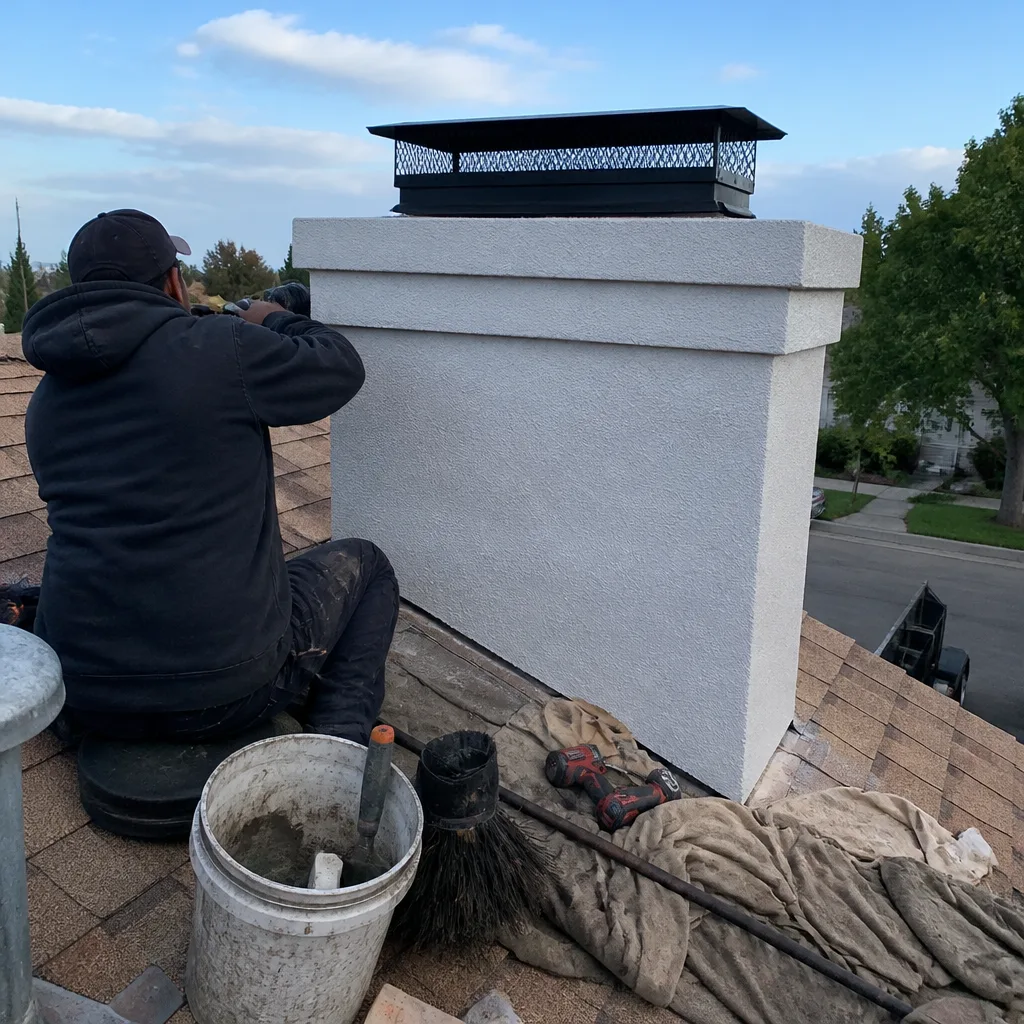
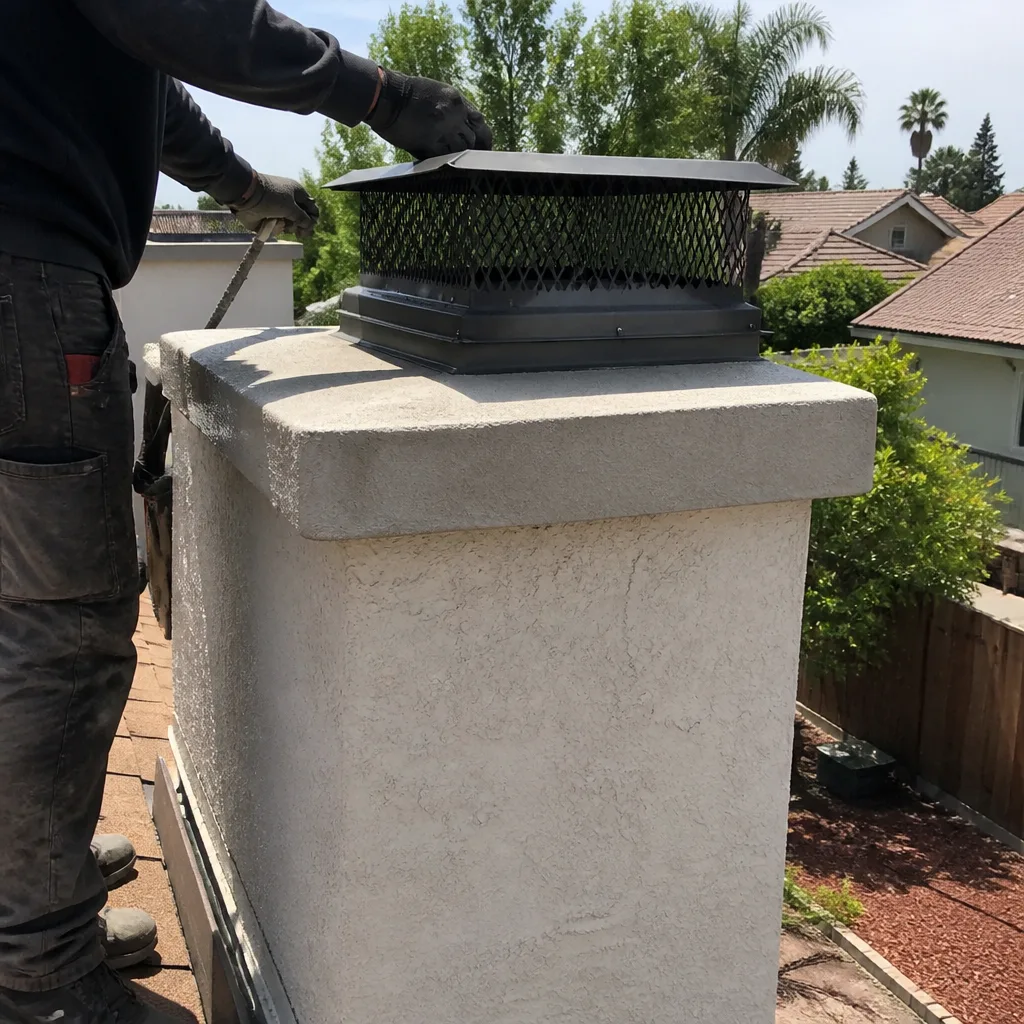
Wind is also part of the equation. Elk Grove gets delta breezes that can push downdrafts into chimneys, especially if the cap is missing or damaged. A proper cap from a manufacturer like Famco or Copperfield prevents downdrafts, keeps rain out, and blocks embers from escaping. It’s a small part with a big job. Many of the chimney problems we diagnose in Elk Grove start with a missing or deteriorated cap. The fix is straightforward, but the damage from ignoring it is not.
Common Mistakes to Avoid
- Not asking what brush your contractor uses. A sweep with the wrong brush size or material leaves creosote on the walls, and you’ll never know because you can’t see it. Ask about brush type and flue sizing.
- Using a consumer rotary kit on a heavily built-up flue. The flex in consumer rods means the brush won’t maintain contact with the walls. You’ll feel like you cleaned the chimney and the deposits will still be there.
- Running a steel brush through a stainless liner. Steel wire scratches stainless, and those scratches become corrosion points. Poly brushes exist for a reason.
- Skipping the camera inspection to save money. The inspection is where problems are found. Sweeping without inspecting is like changing your oil without looking at the engine.
- Choosing a contractor based on price alone. A cheap sweep that leaves creosote behind means you’re paying for the illusion of maintenance. The next sweep will cost more because the buildup is worse.
- Ignoring the dryer vent while maintaining the chimney. Both are fire-venting systems. A clogged dryer vent is one of the leading residential fire causes, and it’s usually fixed in the same visit by a contractor who handles both.
When to Call a Professional
If you haven’t had your chimney inspected in the past 12 months, that’s the threshold. If you notice a smoky smell in the house when the fireplace isn’t in use, or if you see black deposits flaking from the chimney cap, those are signs of buildup that needs attention. If you’ve tried a consumer kit and you’re not sure it worked, call someone with a camera. A professional inspection will confirm what’s actually in the flue, and a professional cleaning will remove it with equipment matched to your liner. See The Complete Chimney Sweep Guide for Elk Grove Homeowners for what to expect. Chimney Repair Elk Grove offers free estimates in Elk Grove. Call (833) 620-0280 to schedule an inspection before the burning season starts.
Frequently Asked Questions
A standard chimney sweep in Elk Grove typically costs between $180 and $340, depending on the flue size, the level of creosote buildup, and whether you add a camera inspection. Heavy Stage 2 or Stage 3 buildup may cost more because it requires rotary cleaning or chemical treatment. Call (833) 620-0280 for an exact quote. Estimates are free.
That depends on what the camera inspection shows. Liners with surface creosote can often be cleaned with a rotary system and returned to service. Liners with cracks, gaps, or significant deterioration usually can’t and need either restoration with a product like HeatShield or a full reline with a system like DuraFlex. Don’t accept a replacement recommendation without seeing the camera footage yourself.
The National Fire Protection Association recommends a chimney inspection at least once a year, with cleaning performed whenever creosote buildup reaches 1/8 inch or more. For wood-burning fireplaces used regularly through an Elk Grove winter, that usually means an annual sweep. Gas fireplaces need less frequent cleaning but still benefit from an annual inspection of the venting system.
Creosote accumulates each time you burn wood, and once the deposits thicken, they become both a fire hazard and harder to remove. Stage 3 creosote can lead to a chimney fire. If the fire is contained, the flue still absorbs damage from the heat. Skipping a sweep means paying for more expensive work later, and it means living with a fire risk you can’t see.
A sweep removes creosote and soot from the flue walls. An inspection assesses the condition of the entire system, from the firebox to the cap, using a camera to document the flue interior. A professional company does both in the same visit. The inspection finds the problem. The sweep cleans the surface. Both are necessary for safe operation.
Yes, if you choose a contractor with dryer vent cleaning in their scope. Both systems are venting channels, and both are fire hazards when clogged. A single visit covers both, which means one appointment and one set of documentation. Call (833) 620-0280 to schedule both services together.
The Bottom Line
The brand on the brush, the rod, the liner system, and the inspection camera all communicate the same thing: whether your contractor is equipped to do the job thoroughly or just quickly. Contractor-grade materials from manufacturers like HeatShield, DuraFlex, and Olympia Chimney exist because chimney conditions are harsh and the stakes are high. A professional who stocks these materials and can explain why they use them is a specialist. A contractor who can’t answer a question about brush wire gauge is not. In Elk Grove, where wood burning is part of winter life, the difference shows up in the condition of your flue five and ten years down the line. Choose accordingly.
Written by the team at Chimney Repair Elk Grove, serving Elk Grove since 2012.
See the difference
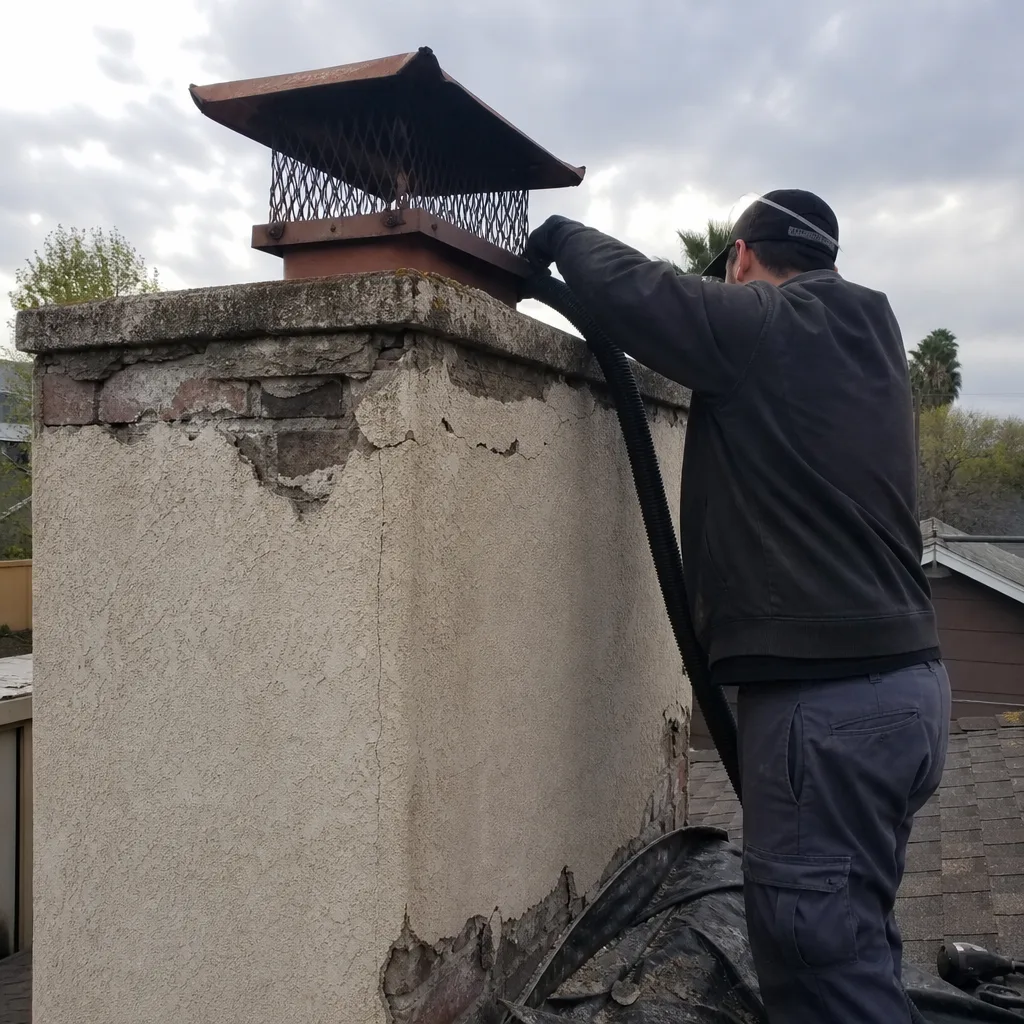 Before
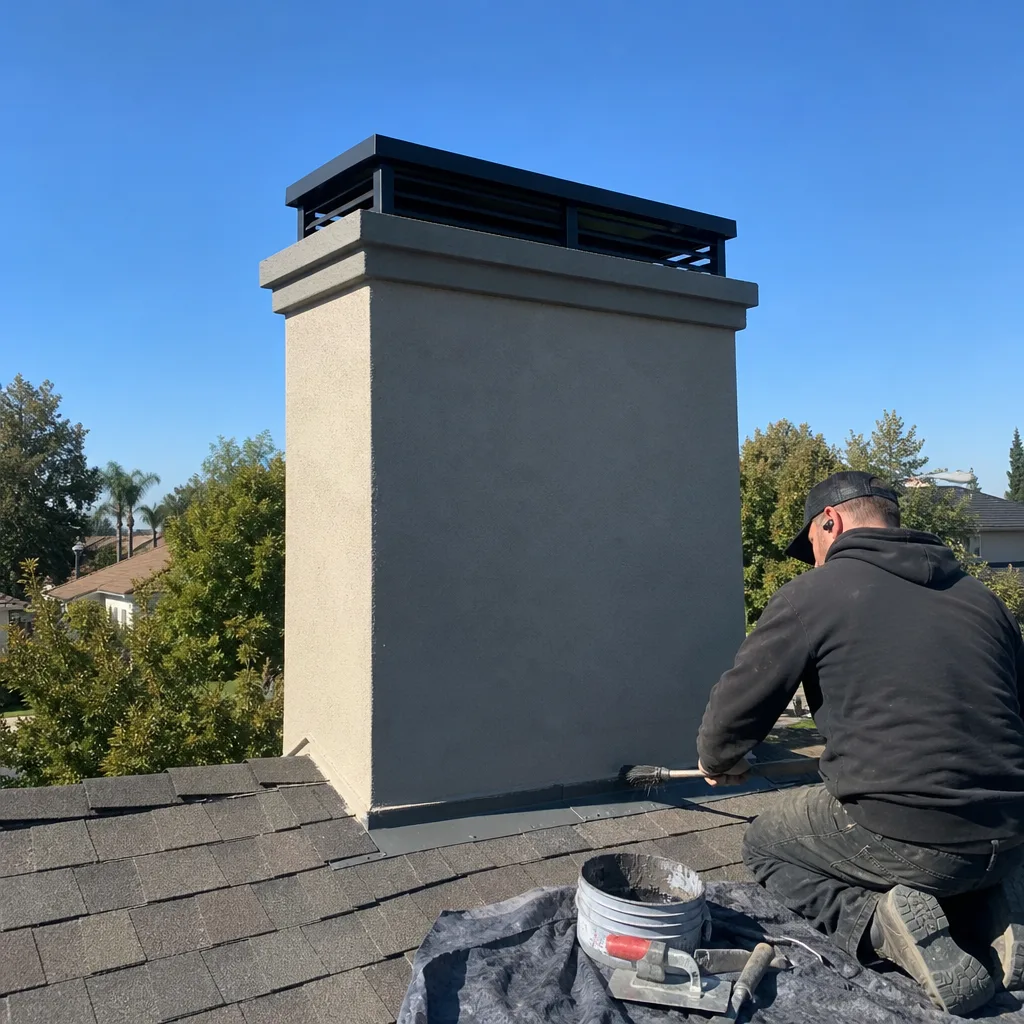 After
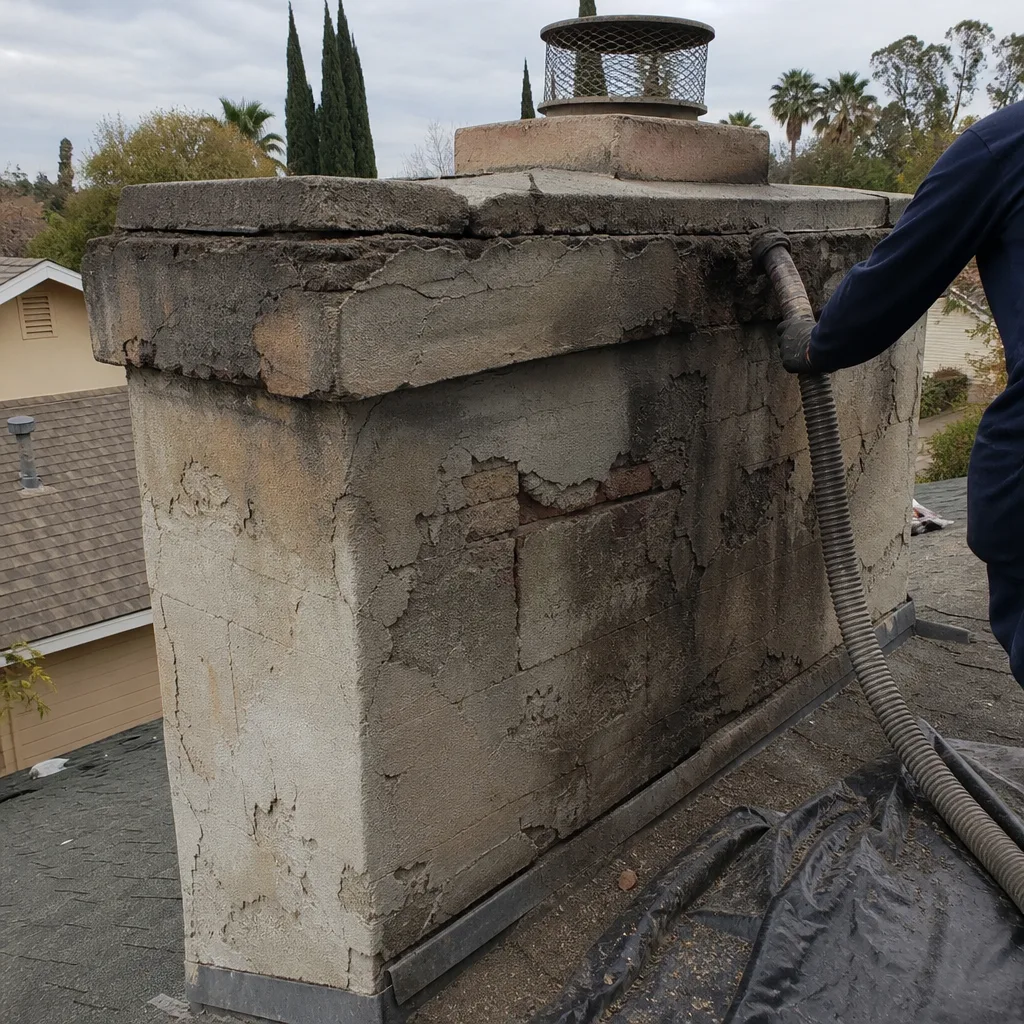 Before
 After
 Before
 After