
Last updated November 3, 2026
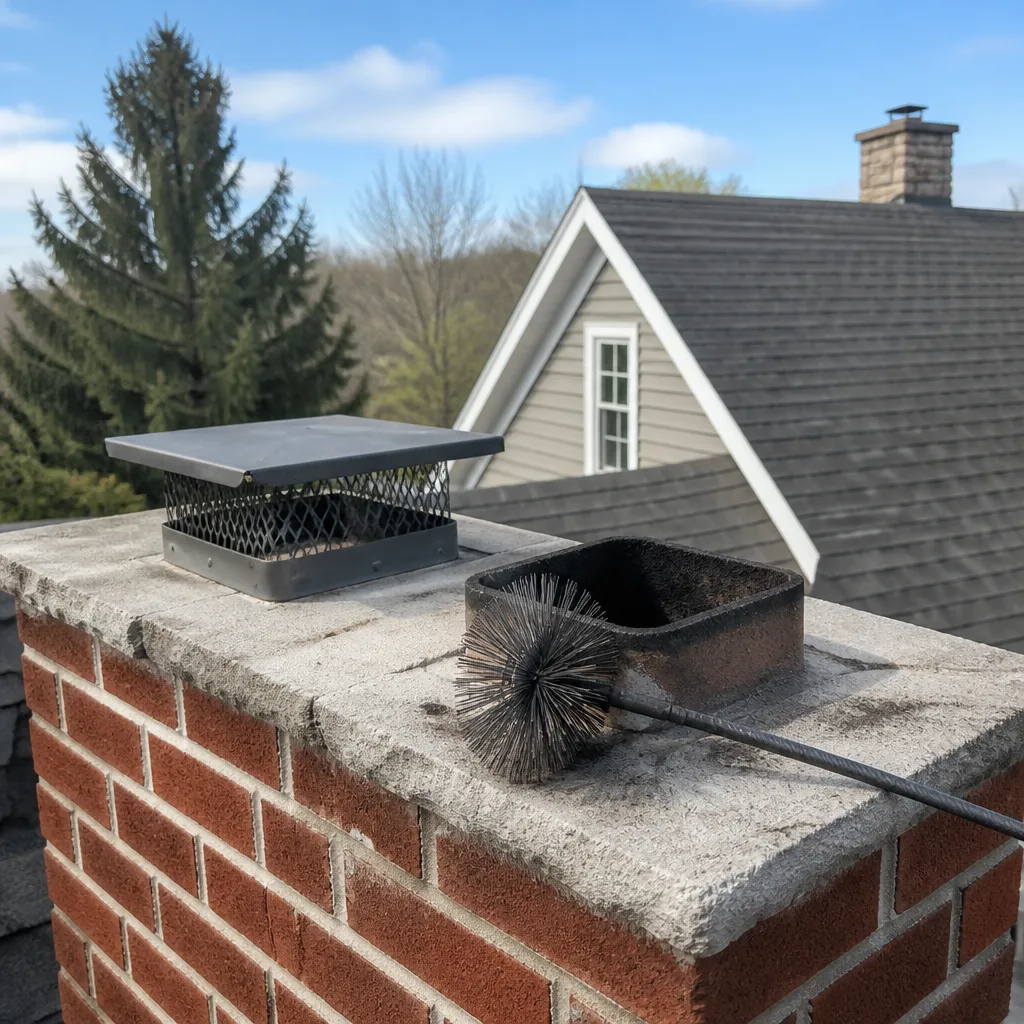 Sweep & inspection
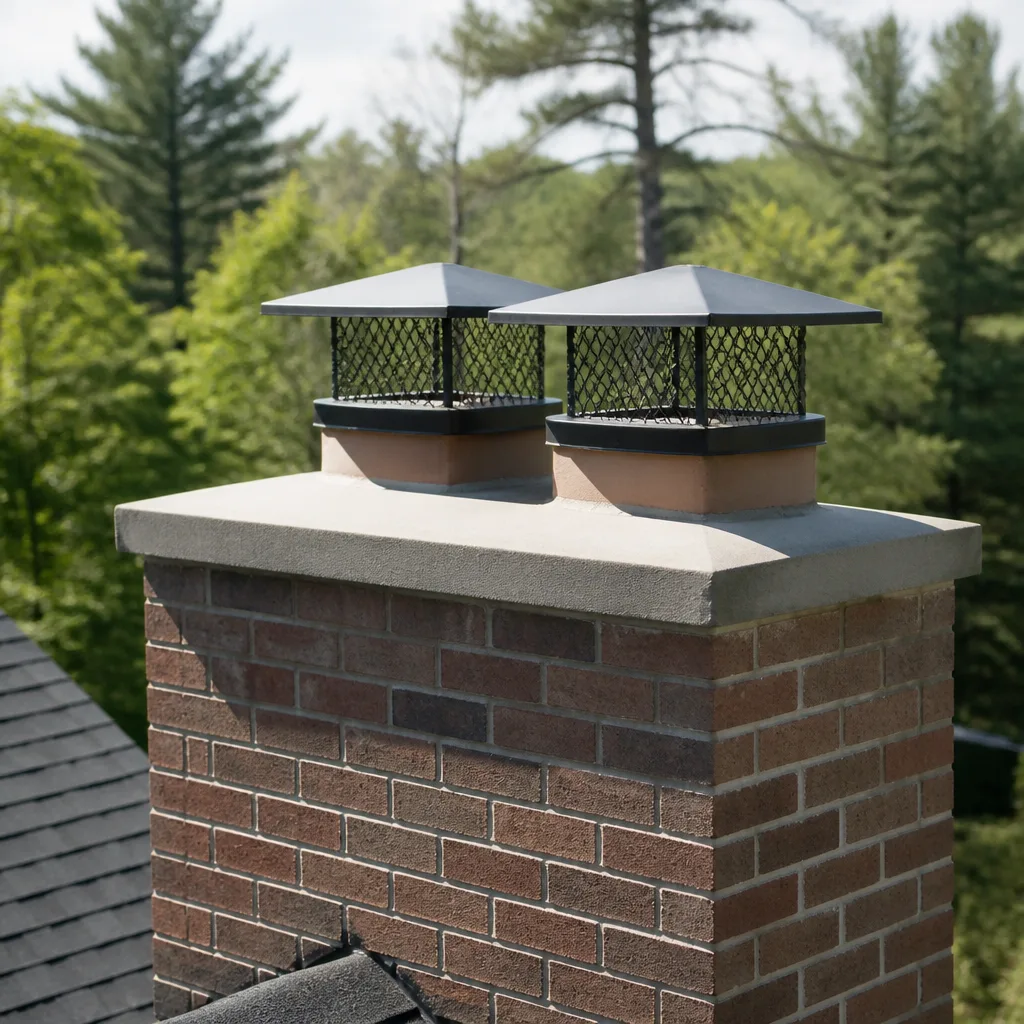 Caps & crowns
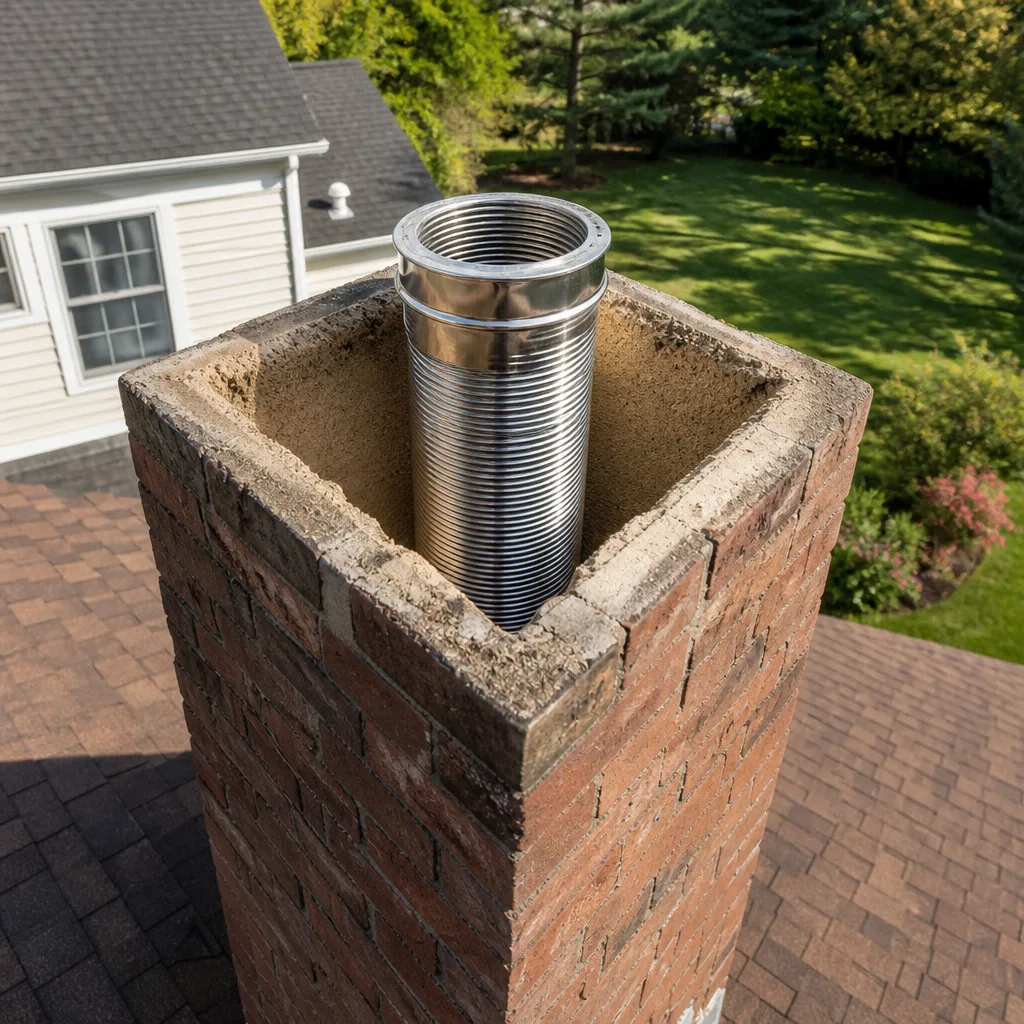 Flue relining
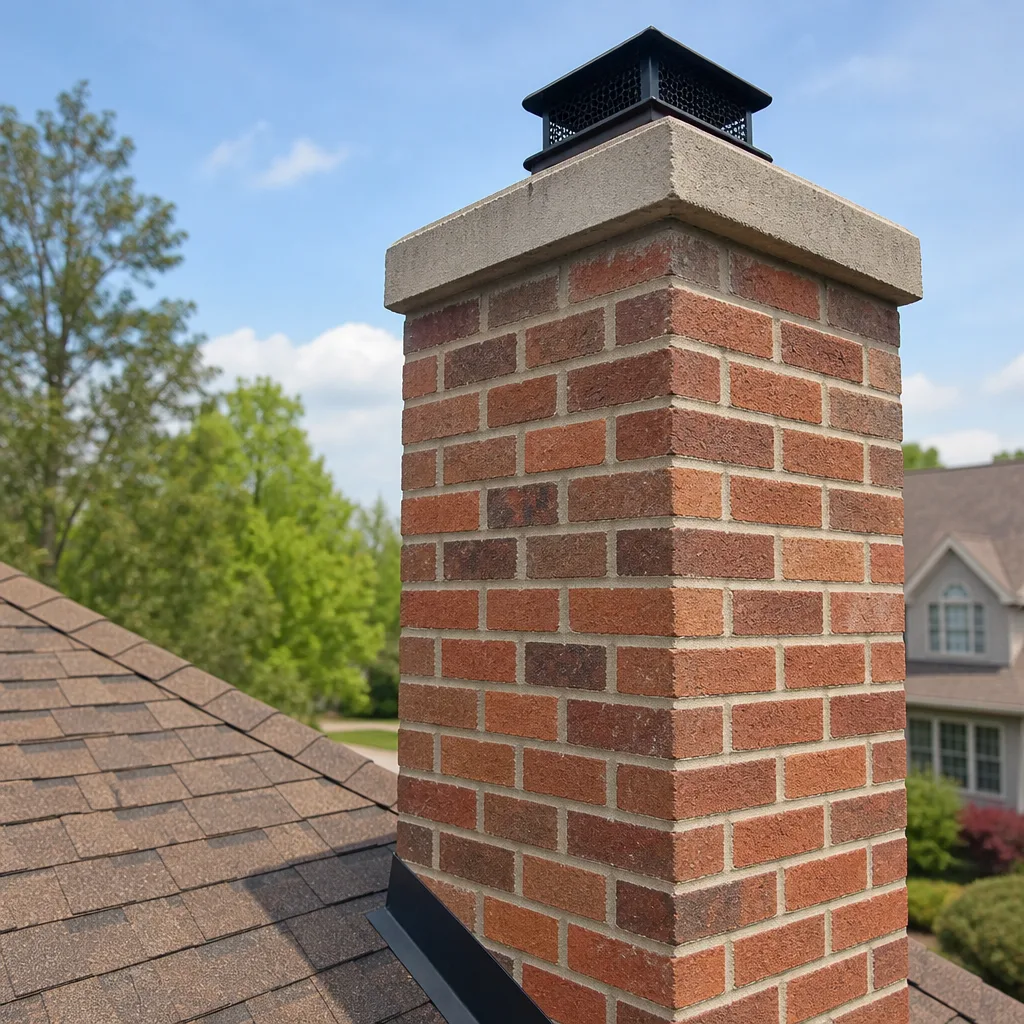 Masonry repair
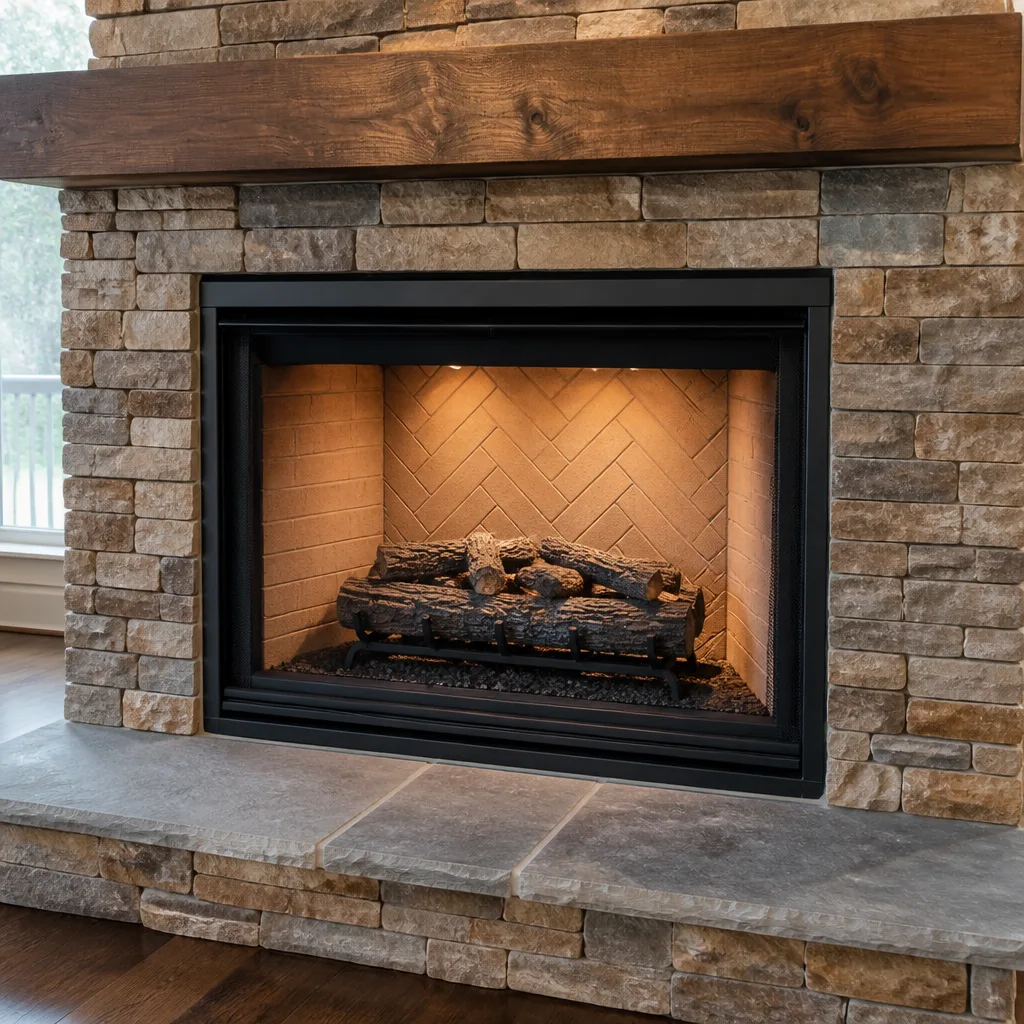 Gas fireplace service
Level 1 sweep and inspection to the NFPA 211 annual standard - flue, crown, cap, and flashing checked and photographed
Chimney sweep logs do not sweep chimneys. They loosen some creosote - which then falls where a brush and vacuum still have to collect it.
The Complete Chimney Sweep Guide for Elk Grove Homeowners
Every fall, Elk Grove homeowners perform a familiar ritual: they stack oak in the backyard, open the damper, and light the season’s first fire without knowing what’s been accumulating inside their flue since March. But here’s what most guides won’t tell you: a fireplace burned only eight or ten times during Elk Grove’s mild winter can develop a more dangerous condition than one used every night in Minnesota. Infrequent fires mean flue temperatures rarely climb high enough to burn off early-stage creosote, and what remains hardens like glaze in Sacramento’s dry summer heat. This guide – along with our Complete Guide to Chimney Cleaning in Elk Grove – is built around a simple premise: chimney maintenance here looks different than it does anywhere else, because oak burns differently, burn seasons are shorter, and air-quality rules shape when and how we use our fireplaces. By the end, you’ll understand exactly when to sweep, what a real inspection catches, and why the tools your sweep uses matter more than the price on the invoice.
Quick Answer
A chimney sweep in Elk Grove should be scheduled in late August or early September, before SMUD’s peak burn season begins and before the fall rush books solid. Expect to pay between $150 and $260 for a standard sweep with a Level 1 inspection, though homes burning oak on cool nights in areas like Laguna West or Sheldon may need it done twice. The real question isn’t always whether to sweep, it’s whether your flue needs a sweep at all or something a camera inspection would catch first.
Styles & brands we work with
- Sweep & inspection
- Caps & crowns
- Flue relining
- Masonry repair
- Gas fireplace service
Table of Contents
- The Elk Grove Burn Calendar: Why Timing Is Geography
- Oak, Creosote, and the Sacramento Valley Problem
- Inspection vs. Sweep: What a Level 1 Is Actually For
- Rotary Systems vs. Brush Sets: Why It Matters in Older Masonry
- Spare the Air Days and Your Fireplace: What Elk Grove Homeowners Need to Know
- Stage 3 Creosote: When Sweeping Won’t Save You
- Keeping Your Chimney Healthy Between Sweeps
The Elk Grove Burn Calendar: Why Timing Is Geography
National chimney guides repeat the same line every year: sweep once annually, preferably in spring. That advice fails in Elk Grove, and here’s the reason. Our burn season doesn’t run from October to April the way it does in colder climates. Elk Grove fires are typically lit between Thanksgiving and Valentine’s Day, with occasional October and March evenings thrown in. That’s a four-month window at best. When spring arrives, most fireplaces in the 95624 and 95757 ZIP codes go dormant for six months or more. So what’s the problem with a spring sweep? Nothing, except that it leaves your chimney sitting full of whatever accumulated during those January fires for the entire Sacramento summer heat, a dry baking period that transforms soft creosote into hardened deposits that stick far more stubbornly to flue walls. A sweep in September, by contrast, removes the previous season’s accumulation right before you need the fireplace again. In our experience, the September window in Elk Grove runs from roughly August 25th through the first week of October. After that, Spare the Air notifications from the Sacramento Metropolitan Air Quality Management District begin to affect burn patterns, and every sweep company in the county gets booked at once. If you wait until the first cold snap to call, you’ll be on someone’s list behind several hundred other fireplaces. The smarter move is to treat chimney sweeping like smoke alarm batteries: do it when the calendar says to, not when the problem announces itself.
There’s a second, less obvious reason September works better in Elk Grove specifically: the Delta breeze. Late summer evenings in Elk Grove cool rapidly, which is exactly when homeowners light the season’s first fire. That first fire is often the most dangerous of the year, because it’s burning against whatever has settled in the flue since winter. We’ve pulled bird nests, wasp chambers, and enough spider webbing to stop a draft entirely from chimneys that ran fine in February. A pre-season sweep catches those intrusions before that first fire does.
Oak, Creosote, and the Sacramento Valley Problem
The firewood sold in Elk Grove is overwhelmingly oak, and that fact shapes chimney maintenance in ways most homeowners don’t realize. Oak burns hot and long, which is why it’s prized here. A properly seasoned oak log can hold a fire for hours, producing steady, even heat. But oak also produces creosote, specifically what the industry calls stage one and stage two creosote, and the transition between those stages happens faster in our climate than in almost anywhere else in California. Here’s the chemistry in plain language. When oak smoke rises through a chimney, it cools as it climbs. The compounds in that smoke condense against the flue walls as creosote. If the fire burns hot enough, much of that creosote stays gaseous and exits the top. But if the flue runs cool, which happens during those low, slow-burning fires Elk Grove homeowners favor on mild winter nights, the creosote deposits as a flaky, sooty layer. That’s stage one, and a basic sweep removes it without trouble. Give that flaky layer a Sacramento summer in a brick chimney that sits in 100-degree heat, and it bakes into something harder. Stage two creosote looks like black tar, and simple brushing often won’t remove it. The difference between stage one and stage two is why some Elk Grove homes can go two years without a sweep, while others need it desperately after a single season of slow oak fires.
The takeaway isn’t that oak is bad wood. It isn’t. Seasoned oak is one of the best fuels available in Sacramento County. But it demands that you understand how it behaves. A hot fire with small, split pieces of oak and plenty of airflow creates far less creosote than a smoldering fire made of large, moist rounds. Elk Grove’s relatively mild winters encourage the smoldering approach, because the hearth is for ambiance as much as heat. That’s not a mistake, it’s just how we live here. But it changes the math on how often a chimney should be inspected. For a detailed look at what a proper Chimney Sweep in Elk Grove involves, see our dedicated service page.
Inspection vs. Sweep: What a Level 1 Is Actually For
Every sweep includes at least a basic inspection, but the reverse is not true: an inspection does not include a sweep. The distinction matters because in Elk Grove, many fireplaces are used so infrequently that they don’t need aggressive cleaning. What they need is someone to look inside and tell them what’s going on. The National Fire Protection Association’s NFPA 211 standard defines three levels of chimney inspection. A Level 1 inspection is what happens during a routine sweep. It covers the readily accessible portions of the chimney: the firebox, the damper, the visible flue from above and below, and the exterior chimney structure. A Level 1 answers three questions. Is there combustible creosote buildup? Is there any obstruction? Is the basic structure sound? If the answer to all three is yes, the chimney is safe to use. If the Level 1 turns up something suspicious, such as a crack, a failed flue tile, or evidence of a past chimney fire, a Level 2 inspection is required. A Level 2 uses a camera system to examine the entire flue interior, inch by inch, and is also required when a property changes hands or when a chimney has been damaged by weather or earthquake. The Level 3 involves removing masonry to access hidden areas, and is almost never needed in typical Elk Grove residential situations.
Why does this matter for an Elk Grove homeowner with a fireplace built in the 1980s or 1990s? Because the older clay tile liners in those homes degrade in predictable ways, and a basic visual check from the top or bottom often misses damage in the middle third of the flue. Homes in the sprawling subdivisions around Laguna Boulevard and Elk Grove Boulevard, much of it built fast during the 1980s and 1990s, typically have clay tile liners that have been subjected to thousands of heating and cooling cycles. Hairline cracks in those tiles may not be visible from either end. A sweep with a rotary brush can sometimes catch the lip of a cracked tile, but a camera inspection is the only way to know for certain. That’s why the question isn’t always “do I need a sweep?” It’s “do I need a sweep, or do I need an inspection?” A specialist can answer that question honestly, and in Elk Grove, honesty means saying so plainly when a flue is clean but needs a structural look.
Rotary Systems vs. Brush Sets: Why It Matters in Older Masonry
Not all chimney sweeps remove the same amount of material, and that’s not a matter of effort. It’s a matter of tooling. Traditional chimney sweeping uses a wire or poly brush attached to flexible rods, pushed up and down the flue by hand or with a drill. That method, used for centuries, works well for stage one creosote, the flaky stuff. It does a poor job on the hardened, glazed deposits that form when stage two creosote bakes in a Sacramento summer. That’s where rotary cleaning systems come in. A rotary system uses a motor-driven whip head, spinning at high speed, that physically scrapes and abrades the flue walls. The effect is closer to sanding than sweeping. For older masonry chimneys in Elk Grove, especially those with textured clay tile liners, a rotary system removes deposits that a brush simply glides over. The concern with older chimneys is that aggressive rotary cleaning can damage already-deteriorating mortar joints. A knowledgeable sweep selects tooling based on what the chimney actually shows, and that’s where experience with Elk Grove’s housing stock comes in. We’ve seen flues in the Laguna Creek area that look pristine from the top but have glazed deposits in the middle that only a rotary whip could touch. We’ve also seen flues so fragile from age that a stiff brush was risky. The tool should match the condition, and a homeowner paying for a sweep deserves to know which tool is being used and why.
There’s another layer to this: the quality of the brushes and rods themselves. Contractor-grade equipment from suppliers like Olympia Chimney and Copperfield is built to hold up through hundreds of flues, but the tooling a sweeper chooses also reflects their approach to the work. A company that invests in professional-grade rotary equipment and maintains it properly is a company that treats flue cleaning as a technical service, not a quick cash job. That distinction shows up in the result.
Spare the Air Days and Your Fireplace: What Elk Grove Homeowners Need to Know
If you live in Elk Grove, you’ve seen the SMAQMD’s Spare the Air alerts, though the Sacramento agency uses that phrasing less consistently than the Bay Area’s Air District. The relevant rule for fireplaces is the Sacramento Metropolitan Air Quality Management District’s check-before-you-burn program, which runs from November through February of each year. The program issues mandatory no-burn days when fine particulate pollution is forecast to exceed federal health standards. On those days, burning wood in a fireplace or outdoor fire pit is prohibited in Sacramento County, and Elk Grove is fully inside the district. Violations carry fines that increase with repeat offenses. What does this have to do with chimney maintenance? Several things. First, the no-burn program tends to cluster on cold, still nights exactly the nights homeowners most want a fire. The result is that when burning is permitted again, fireplaces that sat cold get lit with extra enthusiasm. Second, the stop-start pattern of allowed and prohibited burn days means many Elk Grove fires are lit on damp, foggy evenings after a warm spell. A fire built against a cold, damp flue produces more condensation, which means more creosote. The air-quality calendar, in other words, shapes the creosote calendar. A chimney sweep in Elk Grove who understands the check-before-you-burn program can predict, with surprising accuracy, which homes will have the heaviest stage one accumulation by spring. For more on how our local climate and regulations affect chimney care, see our guide on Chimney Repair in Elk Grove.
Stage 3 Creosote: When Sweeping Won’t Save You
There’s a point where creosote stops being a cleaning problem and becomes a structural one. Stage three creosote, often called glazed or tar creosote, forms when stage two deposits are repeatedly heated and baked over multiple burn seasons. The result is a hard, shiny, tarry coating that adheres to flue walls like enamel. Standard sweeping will not remove stage three creosote. Rotary whips struggle with it. The only proven methods for addressing significant glazing are chemical removal, which requires repeated treatments over weeks, or mechanical methods that are more aggressive than any routine sweep should attempt. But the bigger issue isn’t removal, it’s what the glazing conceals. Stage three creosote often forms over cracked flue tiles or deteriorated mortar joints, and until it’s removed, no one can see the condition of the liner underneath. In some cases, once the creosote is stripped away, the flue is discovered to be unsafe and beyond simple repair. That’s when a homeowner hears the words “liner replacement,” and it’s also when the choice of contractor matters most.
Liner replacement is one of the most technically demanding jobs in residential chimney repair. It’s not a job for a company that only sweeps. The standard for modern relining is a stainless steel system, and in Elk Grove, contractor-grade systems like DuraFlex are what professional chimney contractors install. DuraFlex liners are built to withstand the high temperatures of a wood-burning flue and are listed to the relevant UL and NFPA standards. A company that carries and installs DuraFlex is equipped for a repair that a sweep-only operation would have to refer out. This is the practical difference between a cleaning service and a full chimney contractor. If your Elk Grove home’s chimney needs a liner, you don’t want to be told so by someone who then hands you a card for another company. You want the same specialist who found the problem to fix it with materials that meet professional specifications, not whatever the big-box store had on the shelf.
Keeping Your Chimney Healthy Between Sweeps
Between professional visits, there are several things an Elk Grove homeowner can do to keep a chimney in good condition, and they don’t require getting on the roof. The first is monitoring what comes off the fire. A season of burning exclusively seasoned oak, split small enough to burn hot, produces dramatically less creosote than a season of burning mixed, partially seasoned wood. The second is watching for the early signs of trouble. If you notice smoke entering the room instead of rising up the flue, if there’s a smell like burnt tar coming from the fireplace during summer heat, or if you find fine black dust on the hearth in the morning, those are indicators that creosote is present and the chimney needs attention. The third is keeping the damper closed when the fireplace is not in use, which prevents warm air from your home from flowing up the flue and warming creosote deposits, which is exactly what accelerates glazing. The fourth is keeping the top of the chimney clear. In Elk Grove, with its mature oaks and seasonal bird activity, caps and screens are not optional accessories. A missing or damaged cap invites nesting birds and, in fall, a rain of oak leaves that can sit in the flue and become a fire hazard the next time you light a fire. We install Famco and Copperfield caps and dampers specifically because they’re built to fit properly and hold up to years of Sacramento Valley weather. This falls under the same category as choosing the right liner: hardware-store parts rarely fit right, and a mismatched cap is worse than none at all. For a complete look at what a professional Chimney Repair Elk Grove home visit should include, start with our overview page.
Common Mistakes to Avoid
- Assuming a sweep and an inspection are the same thing. A sweep removes creosote. An inspection tells you whether the chimney is structurally sound. They answer different questions, and Elk Grove’s aging housing stock often needs the second answer more than the first.
- Waiting until after burn season to call. Every spring, we hear from homeowners who lit fires all winter and now want the chimney cleaned before summer. But the damage from creosote happens during the summer bake, not during winter. September is the month to act in Elk Grove.
- Burning unseasoned or mixed wood. Oak is abundant and cheap in Sacramento County, but green oak is one of the heaviest creosote producers a fireplace can burn. Wood should be split and stacked for at least six months before burning.
- Ignoring Spare the Air rules. Burning on a no-burn day is a fineable offense in Elk Grove, and the fine isn’t the only cost. The stop-start pattern those rules create leads to exactly the low, smoldering fires that produce the most creosote.
- Closing the damper too soon after a fire. The coals may look dead, but hot gases continue rising for some time. Closing the damper immediately traps those gases in the flue where they condense as creosote.
- Using a hardware-store sweep log as a substitute for professional cleaning. Those products can soften some creosote, but they don’t remove it, and they certainly don’t inspect the flue. In a masonry chimney from the 1990s, a sweep log is a band-aid on a potential structural problem.
- Hiring a cleaner who can’t repair what they find. If a sweep finds a cracked flue tile, you want them to be able to fix it. Otherwise you’re paying for two companies and two service calls when one would have done.
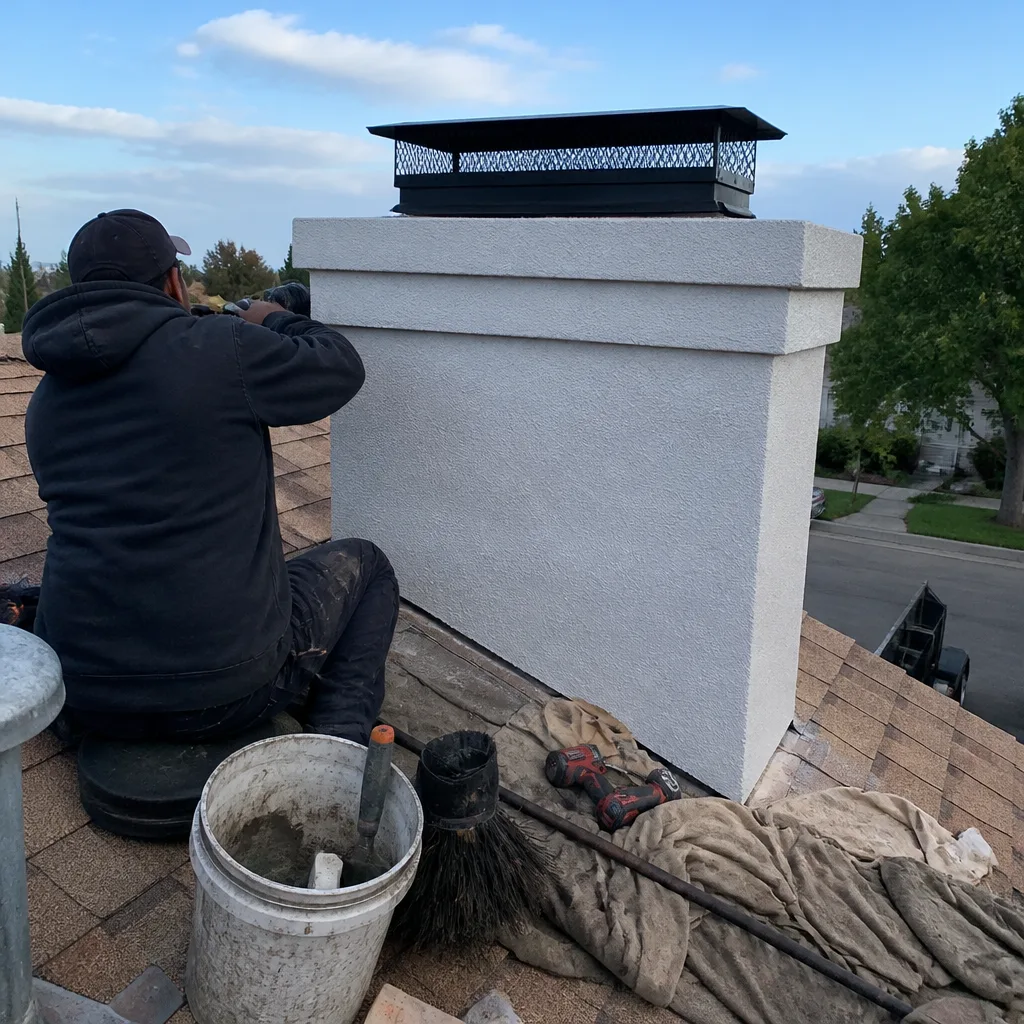
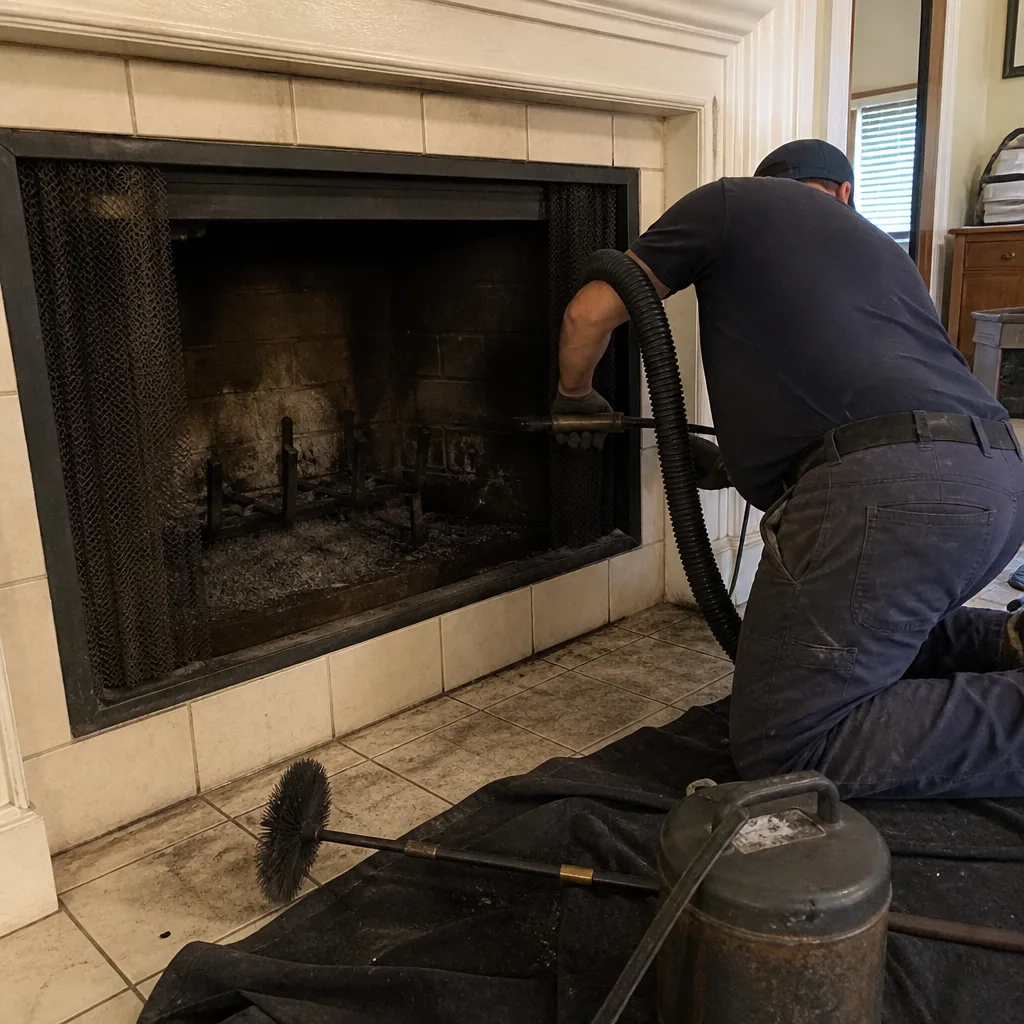
See the difference
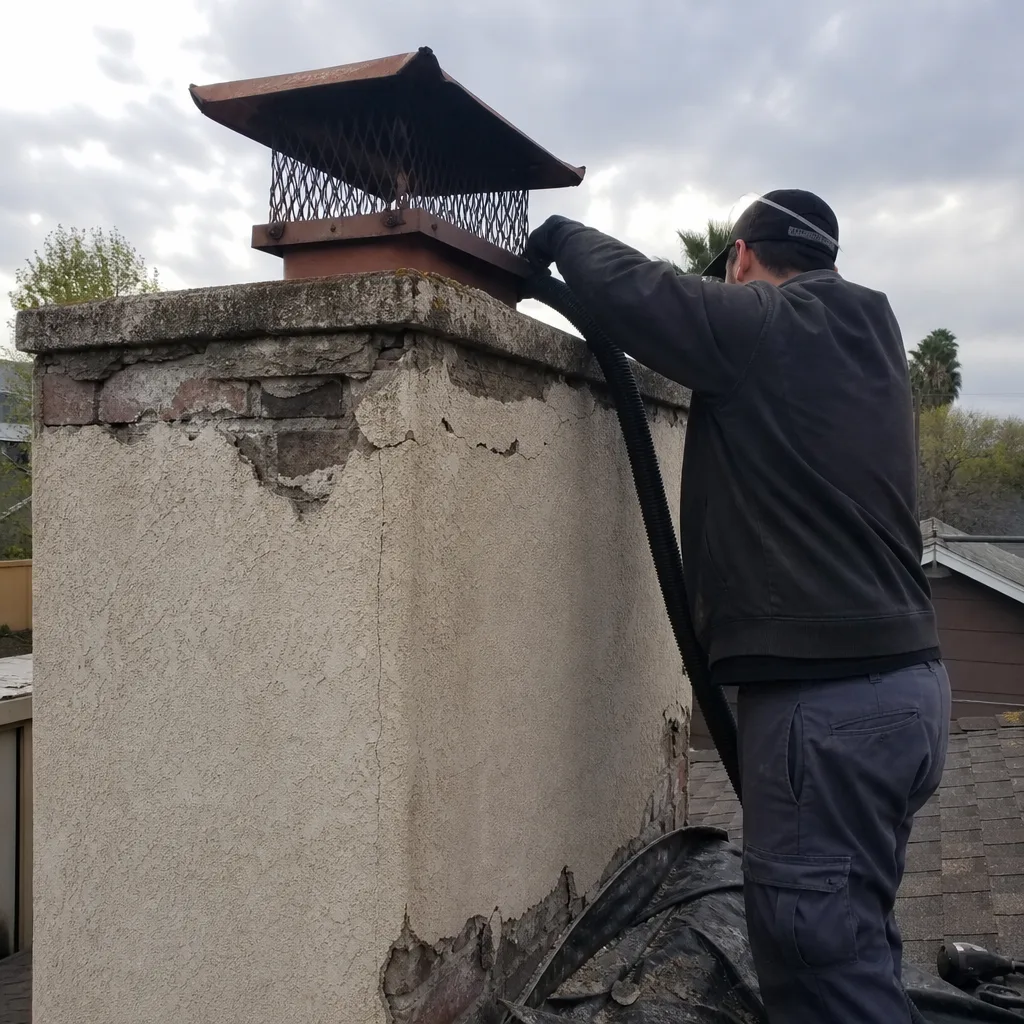 Before
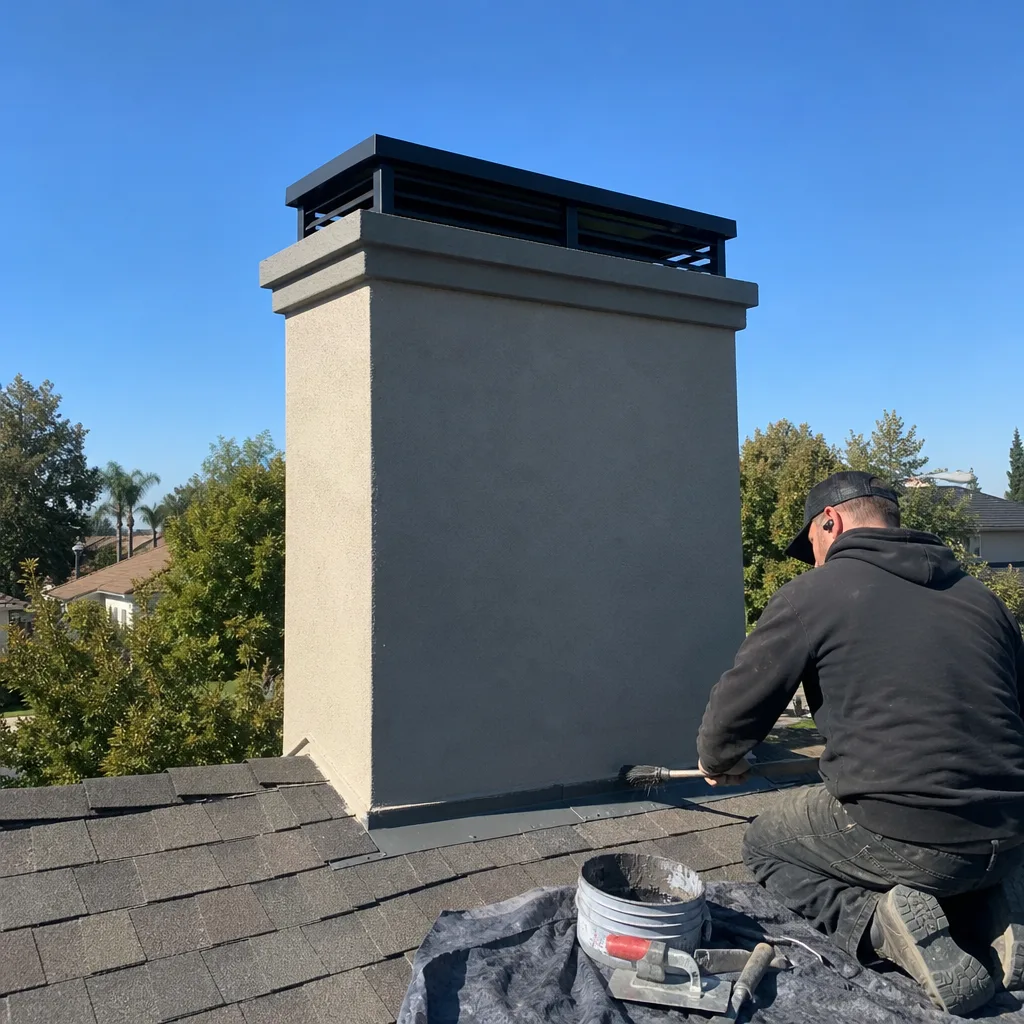 After
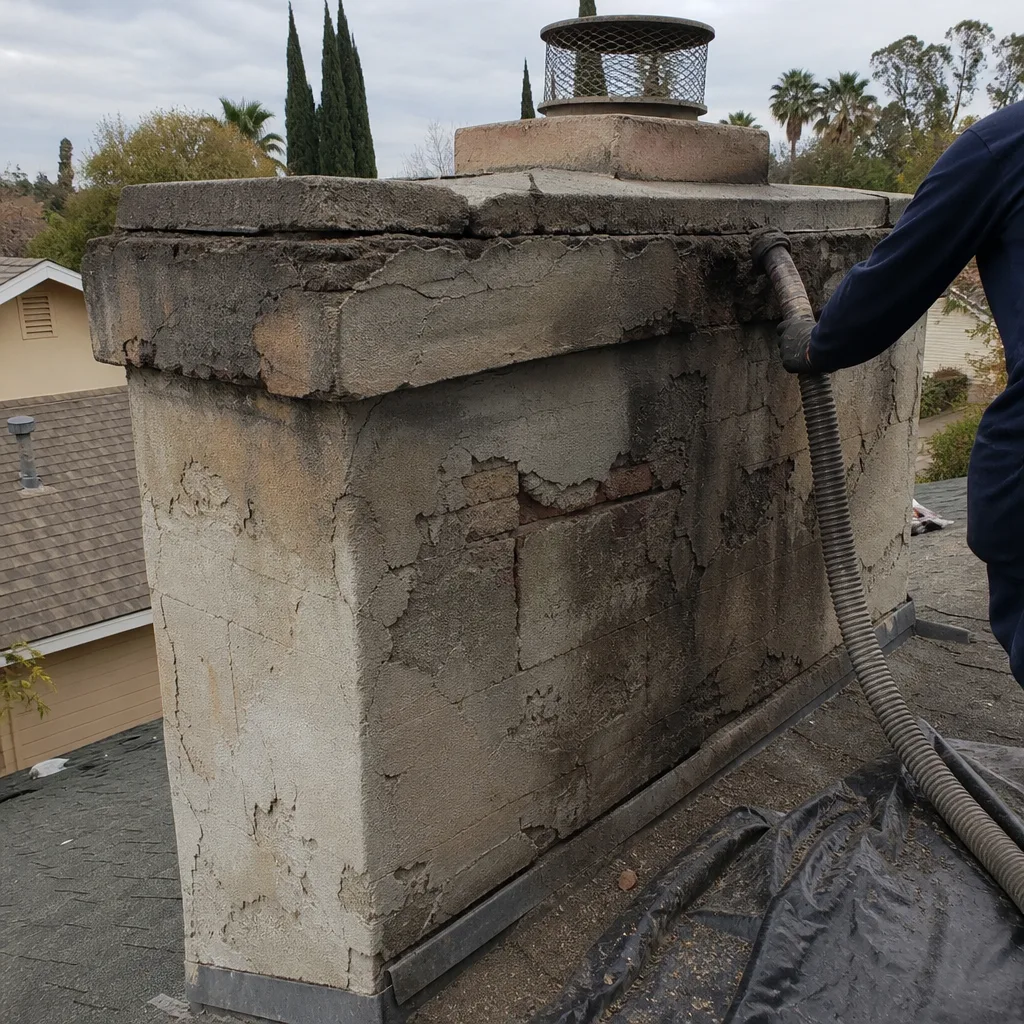 Before
 After
 Before
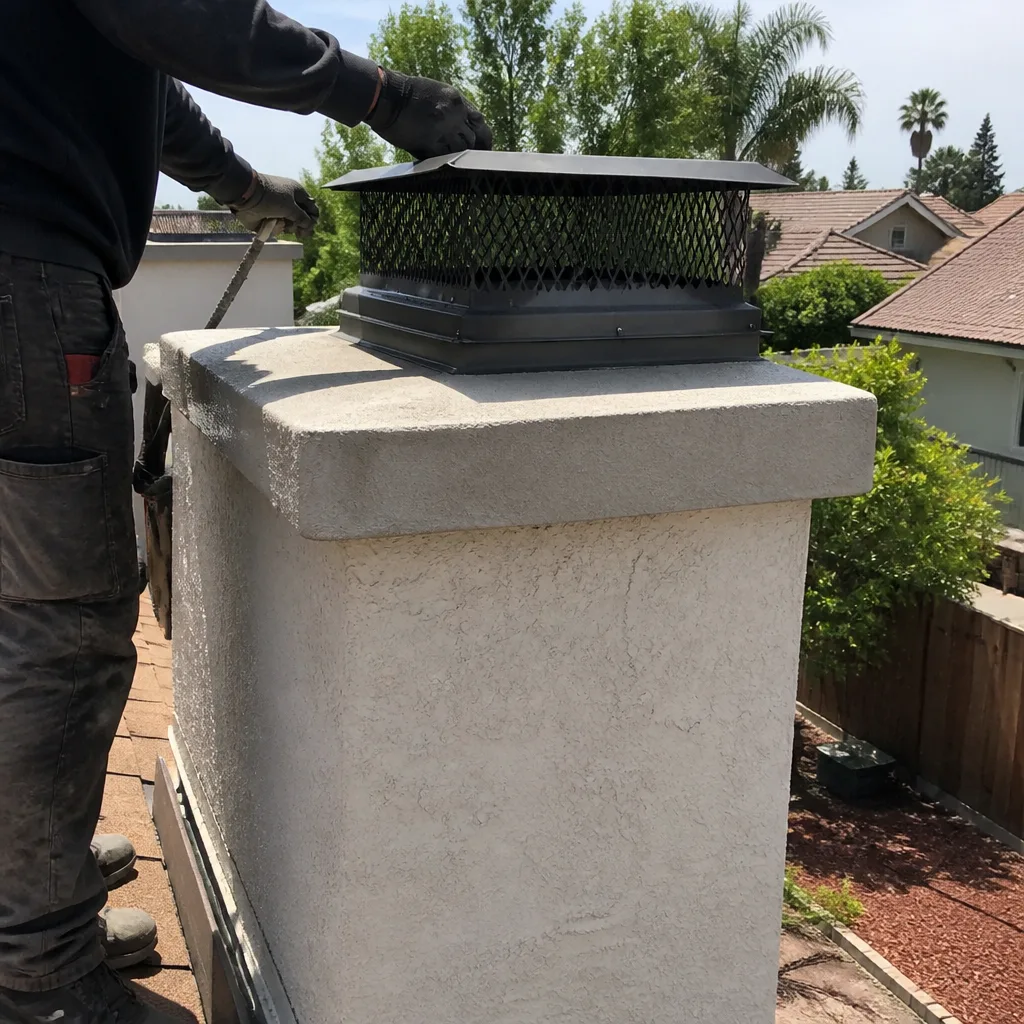 After
When to Call a Professional
Certain situations should always prompt a call, regardless of when your last sweep was done. If you see smoke entering the room instead of rising, stop burning immediately and call. If you smell a campfire smell in the house during summer, that’s creosote warming in the flue. If you’ve had a chimney fire, you must not use the fireplace again until a professional has inspected it, because chimney fires often damage the liner in ways that are invisible from the ground. If you’re buying or selling a home in Elk Grove, a Level 2 camera inspection is the standard that protects both parties. And if your home hasn’t been swept in years and you plan to burn this winter, the age of your home and the history of your flue suggest a thorough look is overdue. Chimney Repair Elk Grove offers free estimates in Elk Grove and the surrounding area, and you can call (833) 620-0280 to schedule one. If your dryer vent has also been neglected, many of the same risks apply, which is why we handle Dryer Vent Cleaning in Elk Grove under the same roof.
Frequently Asked Questions
A standard chimney sweep in Elk Grove typically ranges from $150 to $260 for a single flue fireplace, depending on the condition of the flue and whether a rotary cleaning system is required. More heavily glazed chimneys cost more, and a Level 2 camera inspection is an additional service, generally in the $150 to $300 range. Call (833) 620-0280 for an exact quote, estimates are free.
Most Elk Grove homes with seasonal wood burning need a sweep every one to two years, but the real answer depends on what you burn and how you burn it. If you burn seasoned oak in hot, well-ventilated fires, two years may be fine. If you burn mixed wood in low, smoldering fires, a year may be too long. An inspection will tell you which category your flue falls into.
A legitimate liner recommendation is backed by camera footage you can see with your own eyes. If a company tells you a liner is required, ask to see the camera. At Chimney Repair Elk Grove, we don’t recommend liner work without documented evidence, because no reputable contractor should. If your flue tiles are cracked or the chimney has had a fire, liner replacement with a DuraFlex stainless system is often the correct fix.
Skipping one year is usually fine if the chimney was in good shape and your burning habits are consistent. Skipping several years allows creosote to build and bake through Elk Grove’s hot summers, and the deposits that form become progressively harder to remove. The longer you wait, the more likely a basic sweep becomes a more involved and expensive restoration job.
You can, in theory, rent or buy a brush set and run it down the flue from an accessible point, as our DIY vs Professional Chimney Cleaning guide explains in detail. But a homeowner cleaning from above or below has no way to see the middle of the flue, and the physical risks of roof access are real. Between ladder safety and the need for proper fall protection on Elk Grove’s taller two-story homes, this is a job most owners are better off hiring out. Call (833) 620-0280 to book a professional sweep.
Gas fireplaces vent less particulate than wood, but their flues still collect nesting material, debris, and in some cases acidic condensates that can corrode metal liners. A gas chimney should be inspected annually and cleaned as needed. Many Elk Grove homes have converted from wood to gas inserts, and the original masonry flue often still requires maintenance.
The Bottom Line
Chimney maintenance in Elk Grove is a local discipline, not a generic one. Our oak-burning habits, our short and irregular burn seasons, our summer heat, and our air-quality regulations all combine to create conditions that national guides don’t address. The practical path is clear: schedule sweeps in September, before the burn rush. Rotate between sweeping and camera inspection depending on what your flue actually shows. Burn properly seasoned wood in hot fires, not smoldering ones. And when something beyond a sweep is needed, work with a contractor who can repair what they find, using materials like DuraFlex liners and Copperfield caps that are built to professional specifications. In Elk Grove, a fireplace is one of the great comforts of the winter months. It’s worth maintaining with more thought than the habit of an annual phone call. For more guides & resources, visit our blog.
Written by the team at Chimney Repair Elk Grove, serving Elk Grove since 2012. Call (833) 620-0280 for a free estimate on any chimney sweep, repair, or dryer vent service.