
Last updated November 2, 2026
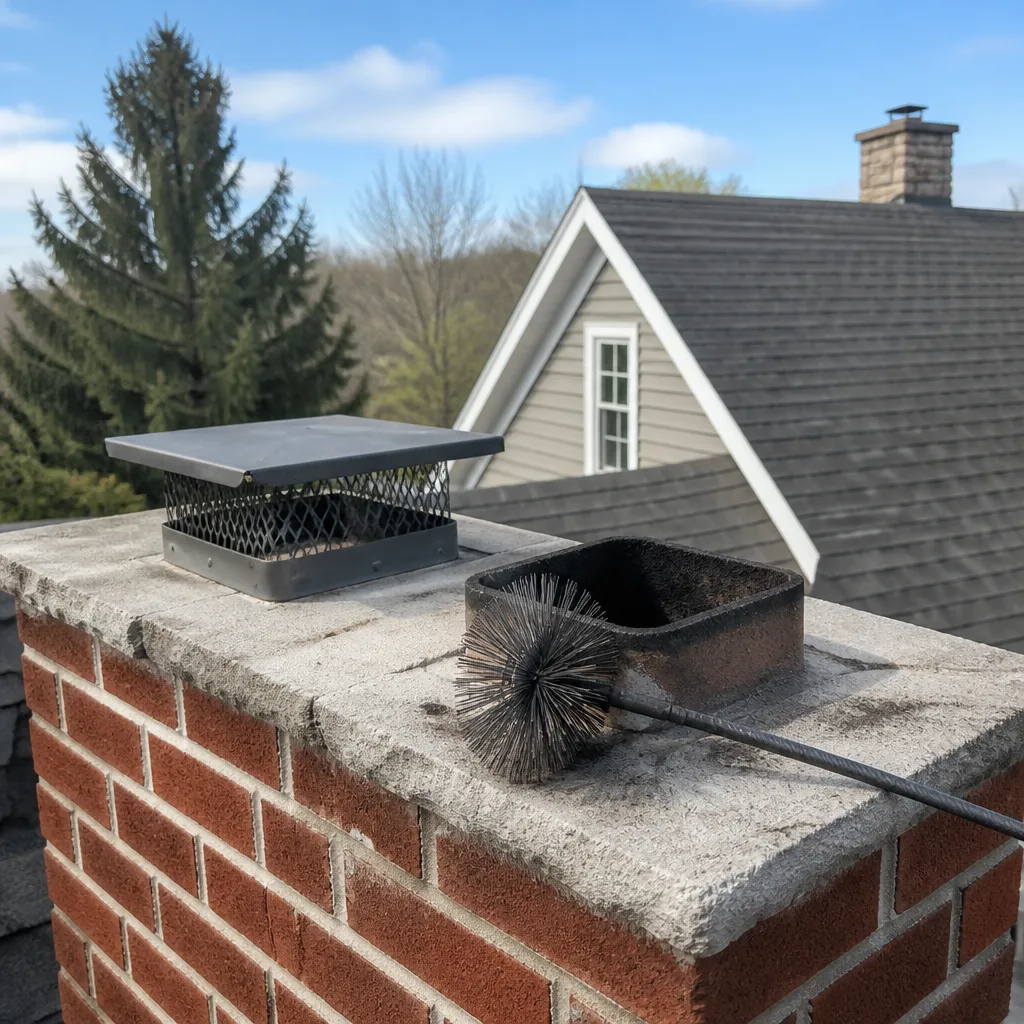 Sweep & inspection
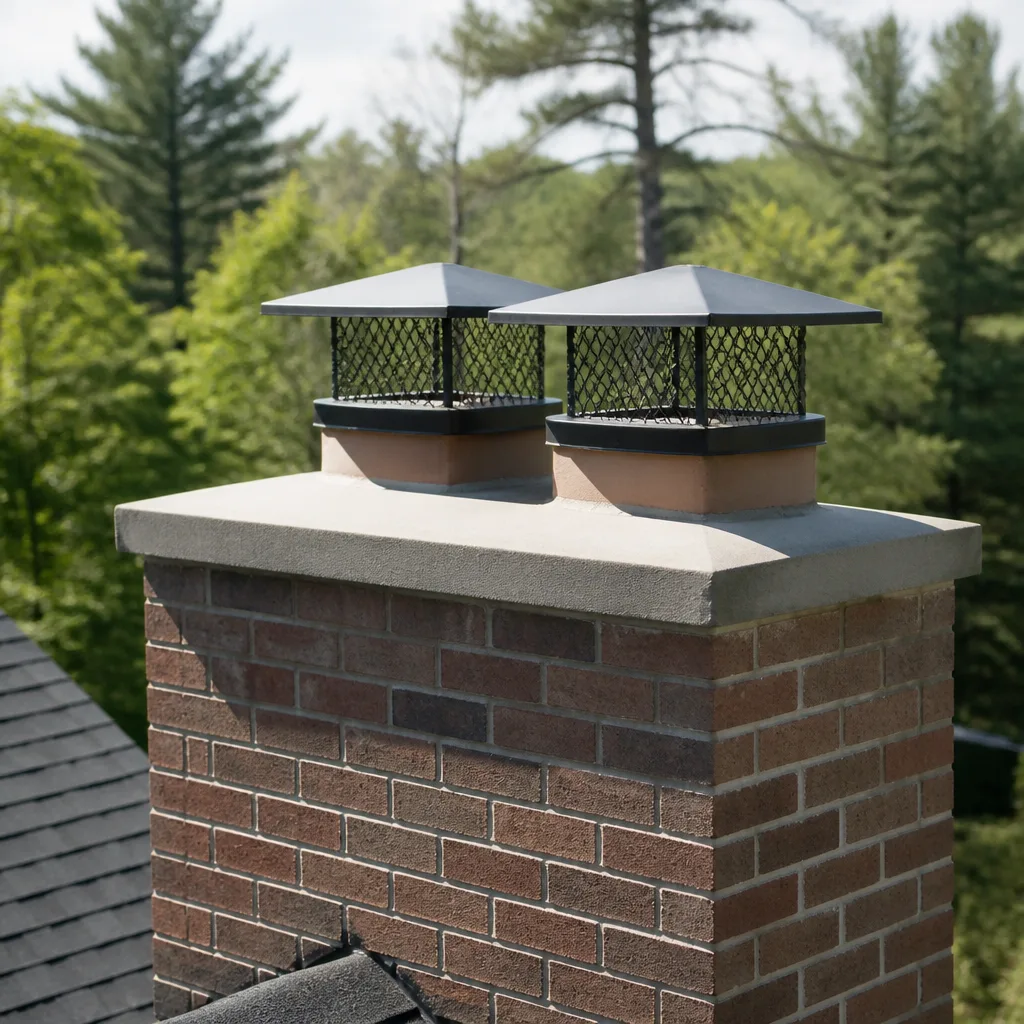 Caps & crowns
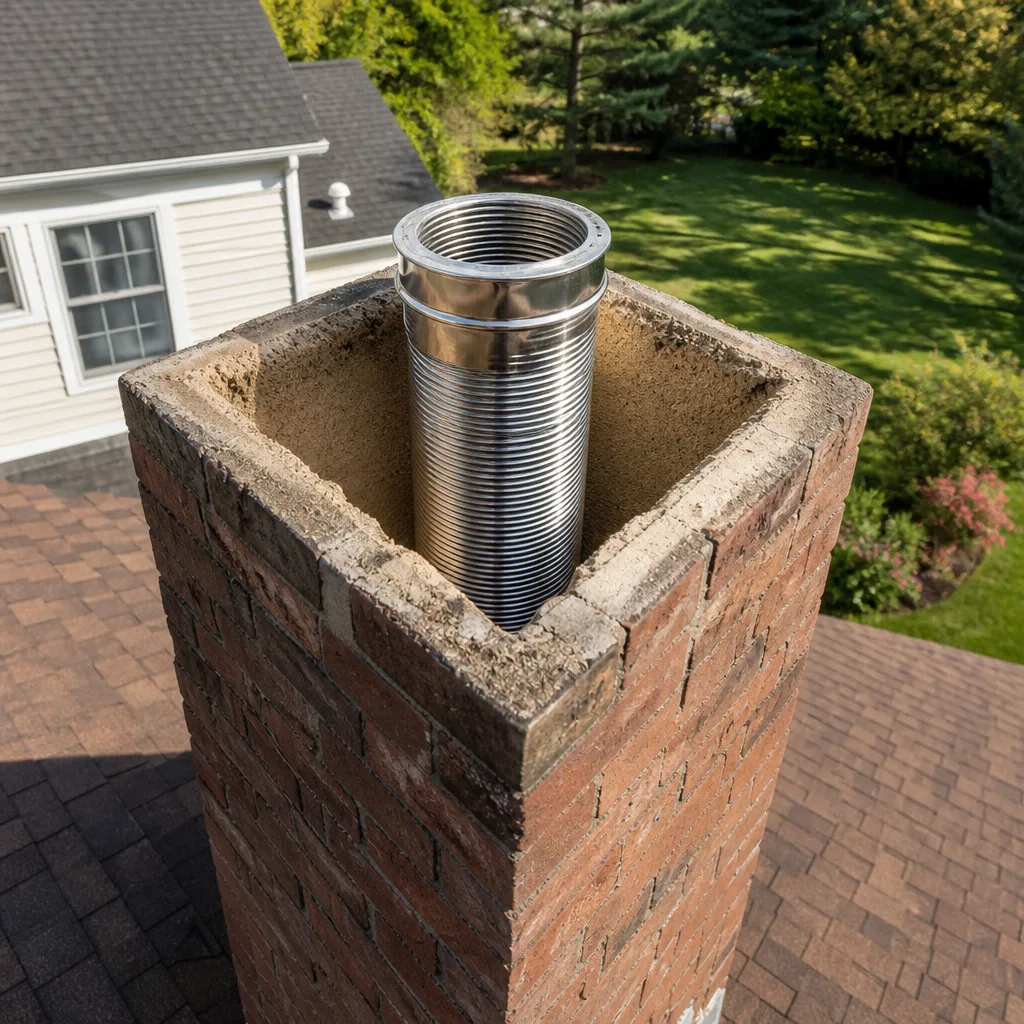 Flue relining
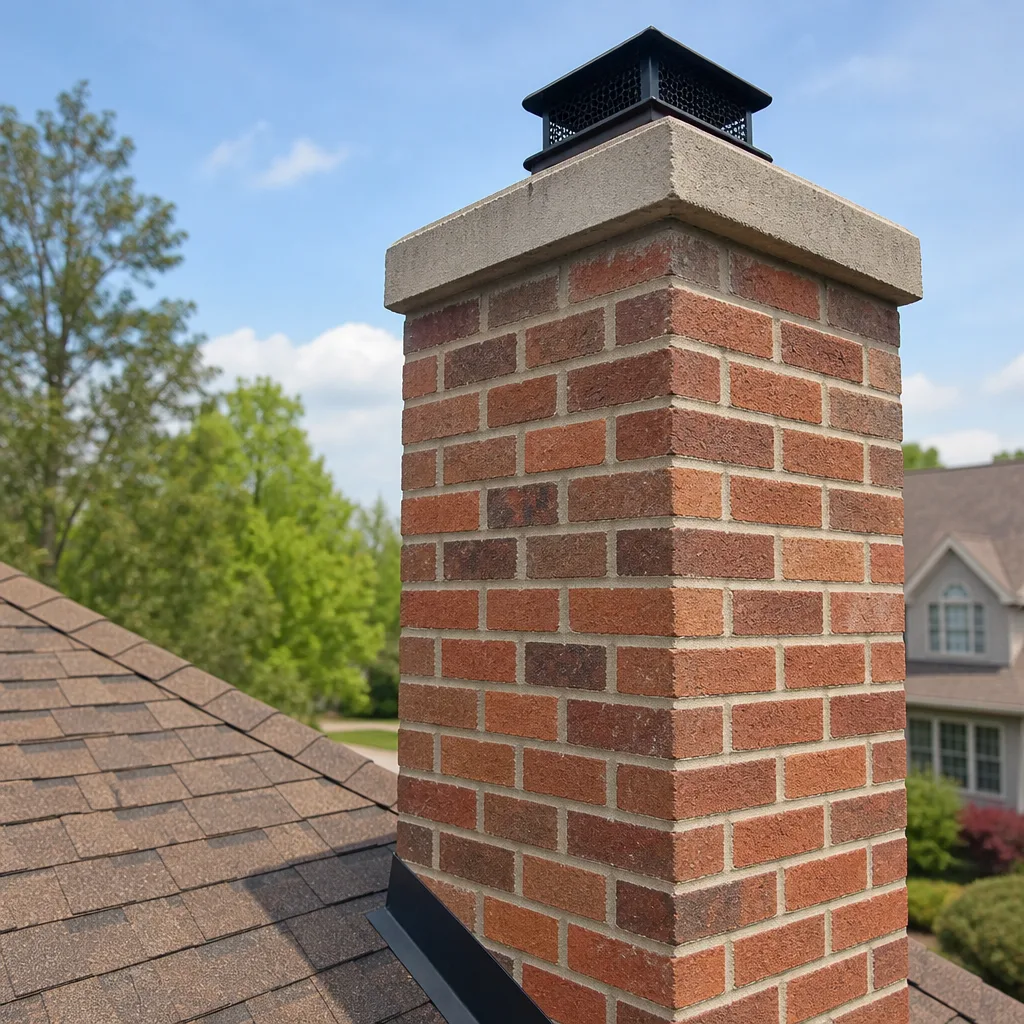 Masonry repair
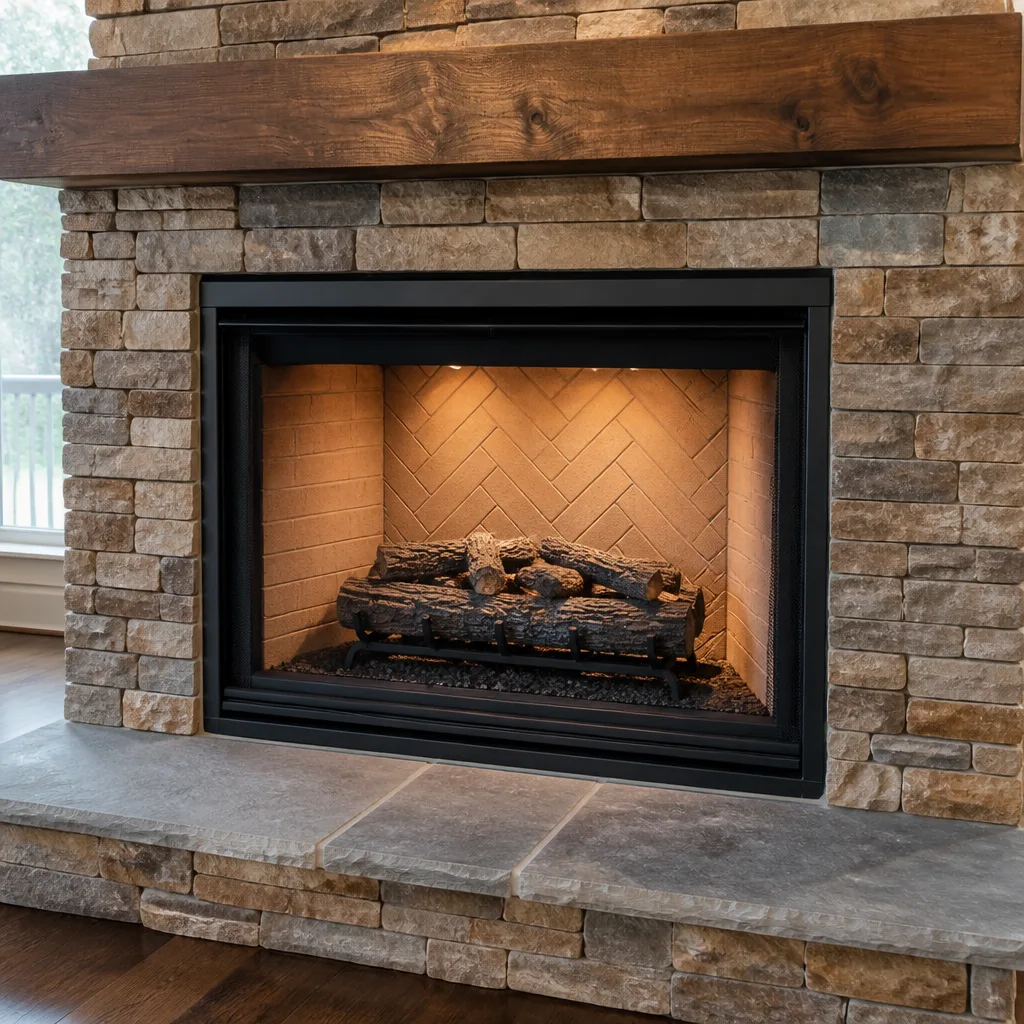 Gas fireplace service
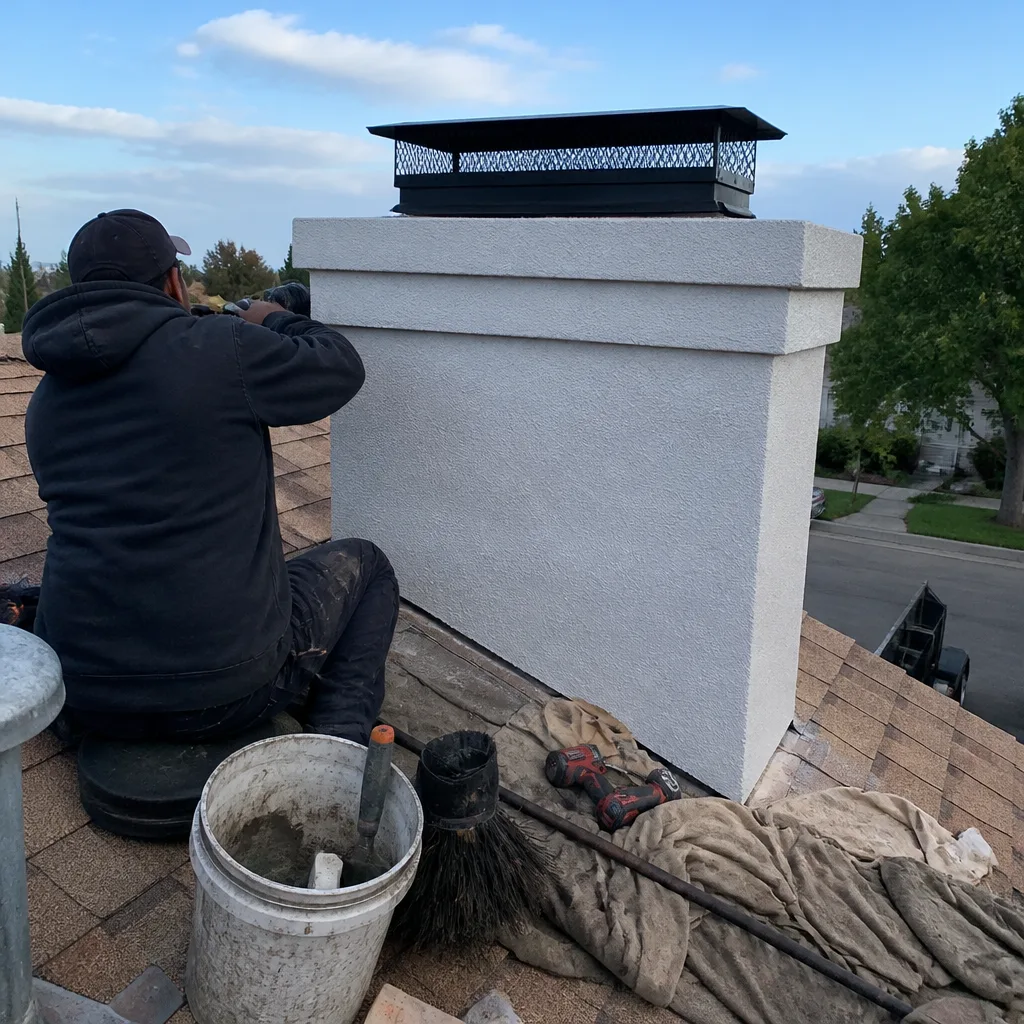
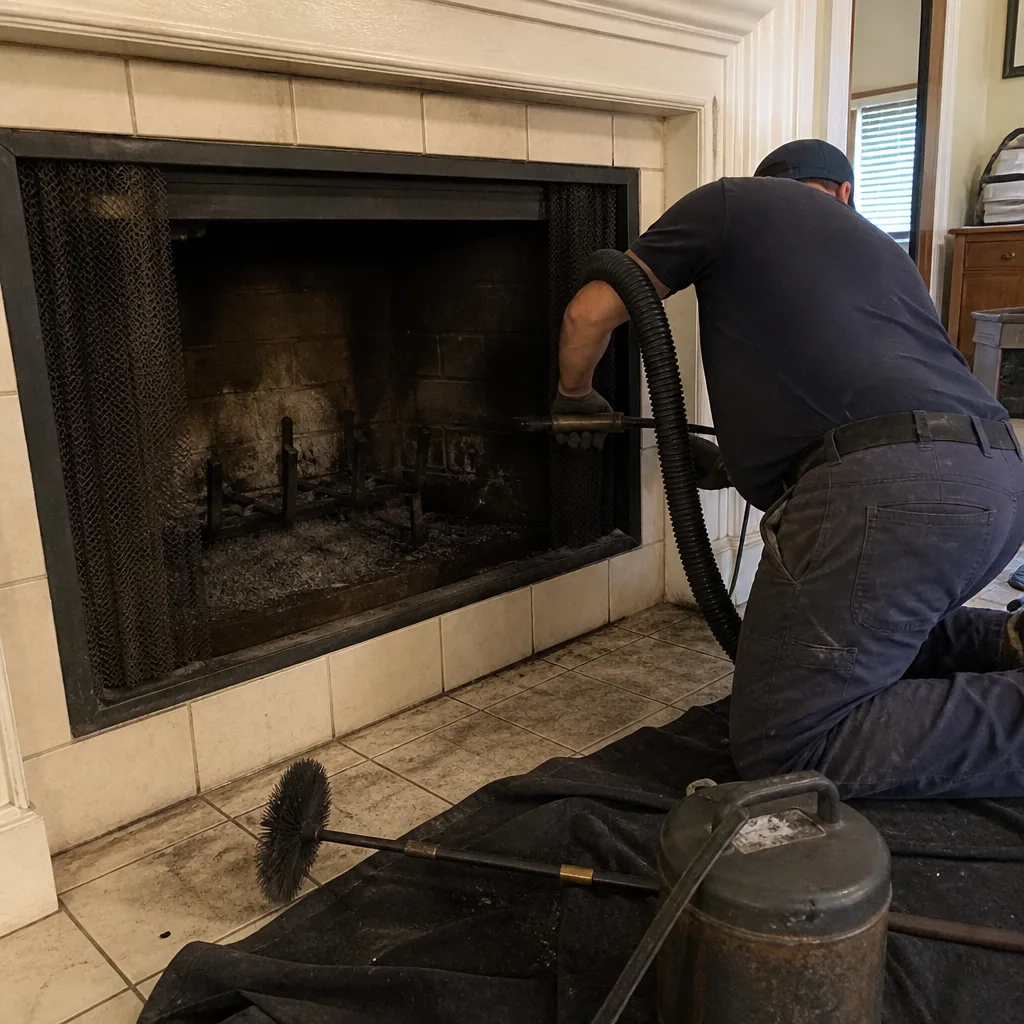
Level 1 sweep and inspection to the NFPA 211 annual standard - flue, crown, cap, and flashing checked and photographed
Chimney sweep logs do not sweep chimneys. They loosen some creosote - which then falls where a brush and vacuum still have to collect it.
Chimney Sweep Troubleshooting: Common Problems and How to Fix Them
A smoky fireplace is the most misdiagnosed chimney complaint in the industry. It gets blamed on creosote buildup when the actual culprit is often a cold flue, a blocked damper, or negative air pressure from a tightly insulated modern home. Sweeping it won’t fix any of those. This guide walks through the six complaints we hear most often in Elk Grove, how to sort out what’s actually wrong, and which fixes you can handle yourself versus which ones need a chimney sweep specialist. By the end, you’ll know how to diagnose the real cause before anyone quotes you a repair.
Quick Answer
Most chimney problems fall into six categories: smoke rollout, draft odor, slow ignition, visible debris, animal sounds, and staining. Each has three or four distinct root causes, and the right fix depends on which one you’re dealing with. Cleaning solves creosote buildup, but structural issues like a failed damper, missing cap, or negative air pressure need a different repair entirely.
Styles & brands we work with
- Sweep & inspection
- Caps & crowns
- Flue relining
- Masonry repair
- Gas fireplace service
Table of Contents
- Smoke Rollout: Why Your Fireplace Pushes Smoke Into the Room
- Draft Odor: The Smell of a Cold Fireplace
- Slow Ignition: When Fires Struggle to Catch
- Visible Debris: What’s Actually Falling Into Your Fireplace
- Animal Sounds: What’s Living in Your Chimney
- Staining: Water Marks on Ceiling and Walls
- DIY vs. Professional: When a Rod Kit Makes Sense
- Common Mistakes to Avoid
- When to Call a Professional
- Frequently Asked Questions
Smoke Rollout: Why Your Fireplace Pushes Smoke Into the Room
Smoke rollout is the complaint that sends most Elk Grove homeowners searching for a Chimney Sweep in Elk Grove. The assumption is creosote, because that’s what everyone’s heard about. But smoke backing into the room has at least four distinct causes, and only one of them is solved by cleaning.
Here’s the diagnostic order we use, from most common to least.
- Cold flue. On a cold morning, the air inside your chimney is a dense plug of cold air. Hot smoke can’t rise through it until that air warms up and starts moving upward. The fix: hold a lit roll of newspaper up near the damper for 60 to 90 seconds before lighting the fire. This pre-warms the flue and establishes the draft. No service call needed.
- Closed or partially closed damper. The damper is the metal plate just above the firebox. If it’s rusted in a half-open position or someone closed it after the last use, smoke has nowhere to go. Open it fully before lighting. If the handle is seized, don’t force it. A replacement damper is a straightforward repair.
- Negative air pressure. This one surprises people. Modern Elk Grove homes are sealed tighter than homes built 30 years ago. When a kitchen exhaust fan, bathroom fan, or forced-air HVAC system runs, it pulls air out of the house. The fireplace becomes the easiest place for outside air to rush in to replace it. That incoming air pushes smoke back into the room. The test: open a window an inch while the fire is lit. If the rollout stops, negative pressure is your culprit. The permanent fix is a make-up air vent or adjusting the fan setup, not a chimney cleaning.
- Actual creosote buildup. If the first three causes are ruled out, then yes, creosote restriction is a real possibility. This is especially common in chimneys that burn unseasoned wood or haven’t been swept in years. A professional sweep removes the restriction and restores the draft.
The key point is this: sweeping a chimney with a cold-flue problem does nothing. Sweeping a chimney with a negative-pressure problem does nothing. Diagnose first, then spend money. If you’re not sure which one you’re dealing with, call us at Chimney Repair Elk Grove home and we’ll walk through the symptoms before anyone schedules a visit.
Draft Odor: The Smell of a Cold Fireplace
A fireplace that smells like smoke or creosote in summer, when there’s no fire burning, is a draft reversal. Warm air rises out of the chimney during the day, and at night, cooler outside air drops down the flue carrying the odor of soot and creosote with it. It smells like a campfire in your living room. It’s not a fire hazard by itself, but it’s unpleasant and it points to air movement problems in the flue.
Three common causes and how to sort them:
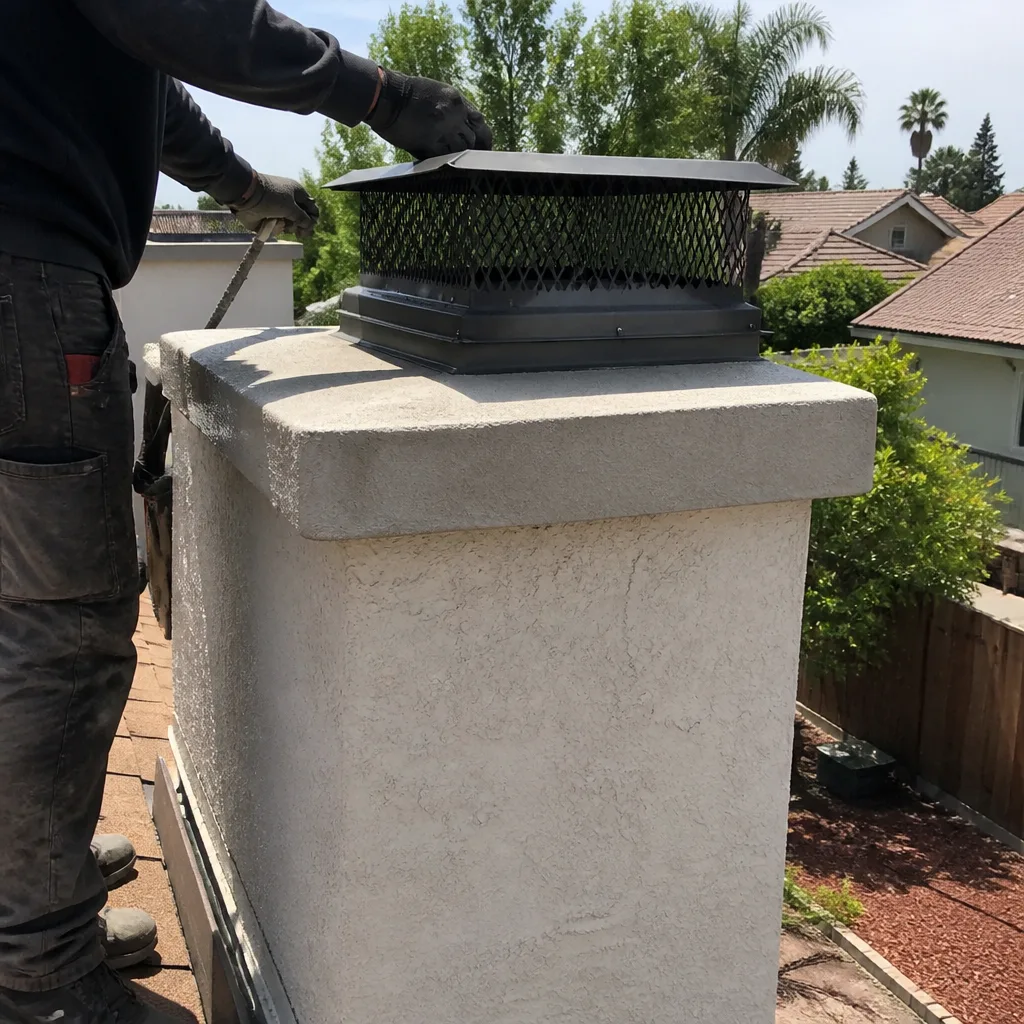
- Missing or damaged chimney cap. A cap doesn’t just keep rain out. It changes the airflow pattern at the top of the flue and reduces downdraft pressure. If your cap is rusted through, gone, or the mesh screen is torn, replacing it is an inexpensive fix. We source caps from Famco and Copperfield, brands that certified contractors specify, so the replacement fits the flue tile dimensions rather than bending a universal cap into place.
- Open damper after last fire. If the damper was left open, the chimney is just a hole in your house. Close it when the fire is completely out and cold. If the damper won’t close fully, it may need to be freed or replaced.
- Seasonal humidity. Elk Grove’s dry summer heat pulls moisture out of creosote deposits. That drying creosote off-gasses an odor that’s stronger than usual. A sweep removes the deposits at the source.
A note on gel-type odor neutralizers: they mask the smell but don’t address the airflow problem. If the odor comes back a week after you replace the gel, the issue is structural, not aromatic.
Slow Ignition: When Fires Struggle to Catch
A fire that takes 15 minutes of coaxing to actually burn well usually has one of three causes. Rarely is it the wood.
Wet or unseasoned wood. Wood needs to be split, stacked, and dried for 6 to 12 months to reach a moisture content below 20%. Wood bought from a grocery store parking lot in Elk Grove in November is often green. Green wood hisses, smokes, and produces heavy creosote early in the burn. The fix is a moisture meter, a $25 tool that tells you in 3 seconds whether your wood is ready. If it reads above 20%, stack the wood and wait, or find a different supplier.
Weak draft from flue height or obstruction. A chimney flue needs to terminate at least 2 feet above any structure within 10 feet. Single-story ranch homes in Elk Grove sometimes have flues that meet code but still draft poorly because neighboring two-story homes or tree canopies create air turbulence at the flue opening. The symptoms look identical to dirty-chimney problems: slow starts, smoke hanging at the firebox opening, fires that never reach full draw. A flue height extension is sometimes the answer, but it should only be done after inspection rules out creosote and a blocked cap screen. For a deeper look at the full process, see The Complete Chimney Sweep Guide for Elk Grove Homeowners.
Oversized firebox relative to the flue. Prefabricated fireplaces built in the 1980s and 1990s sometimes have firebox openings that are too large for the flue diameter. That ratio mismatch means the firebox never gets enough draw to pull smoke efficiently up the flue. It’s a design problem, not a maintenance problem, and the fix is either a smoke guard (a metal strip that reduces the effective opening height) or a reline to adjust the flue diameter.
Visible Debris: What’s Actually Falling Into Your Fireplace
Debris in the firebox falls into three categories, and each points to a different repair.
- Flakes of black creosote. Shiny black flakes or dull black crumbs in the firebox mean creosote is peeling off the flue walls. It’s what a sweep removes. If the pieces are shiny and tar-like, that’s third-degree creosote, the most combustible form. You need a professional cleaning, not a wire brush pass.
- Pieces of mortar or flue tile. Light brown or red chips at the bottom of the firebox are a structural warning. Flue tile spalling happens when years of hot-cold cycling crack the clay liner. Pieces come loose and fall. This is not a cleaning issue. This is a liner inspection issue. In many cases, a stainless liner like DuraFlex can be installed to reline the flue without rebuilding the entire chimney. If the damage is limited to a section of flue tile, a HeatShield resurfacing can restore the liner’s structural integrity. Either way, do not burn with flue tile pieces falling. The gaps left behind expose the chimney’s outer masonry to flue gases and heat.
- Animal nesting material. Sticks, leaves, grass, and fur in the firebox mean something built a nest above the damper. Birds, squirrels, and raccoons all nest in chimneys. The material is highly flammable. It needs to be removed before the first fire of the season, and a proper cap with mesh screening needs to be in place to prevent re-entry.
In our experience, Elk Grove homes near the creek trails and mature tree canopy have higher animal intrusion rates than newer subdivisions with fewer mature trees. If you live near the Consumnes River preserve or in older neighborhoods like Old Town or Sheldon, check your cap screen before the nesting season starts.
Animal Sounds: What’s Living in Your Chimney
Scratching, fluttering, chirping, or thumping coming from the chimney means an animal has taken up residence. The response differs by species and season.
Birds. Chimney swifts are federally protected under the Migratory Bird Treaty Act. During nesting season (roughly May through August in northern California), it is illegal to remove an active nest. If you hear chirping, do not light a fire. The smoke will kill the nestlings and create an odor problem inside the wall that you cannot solve with any product. Wait until the young have fledged, then have the nest removed and a proper cap installed. The mesh on a Famco or Copperfield cap is sized to let flue gases escape while keeping swifts out. Hardware-store caps often have mesh that’s too wide, which is why the birds got in the first place.
Squirrels and raccoons. These animals are not protected the same way, but they’re still a health and fire hazard. Squirrels chew wiring and drop flammable nesting materials down the flue. Raccoons are more likely to use the chimney as a den site and defend it. Neither should be smoked out. A fire in a chimney full of dry nesting material is a chimney fire waiting to happen. The animal needs to be removed by a wildlife professional, then the chimney swept, then a cap with a locking top installed.
Bees or wasps. A buzzing sound in warm months suggests a hive inside the flue or behind the chimney chase. Do not seal the flue; that forces the bees into the house through wall penetrations. Remove the hive, then install a cap with fine-mesh screening.
One thing we’ve learned covering the Elk Grove area: animal intrusion almost always correlates with a missing or damaged cap. The fix is never just removal. It’s removal plus a properly sized, properly installed cap. Skip the cap and you’ll be dealing with the same problem next season.
Staining: Water Marks on Ceiling and Walls
Water staining around the chimney chase, on the ceiling near the chimney, or on interior walls is a moisture problem. It’s also the most expensive chimney repair to ignore, because water damage compounds quietly.
The three common entry points:
- Failed cap or missing rain cover. The simplest fix. Rain runs directly down the flue and soaks the firebox or collects behind the damper. A new cap stops it.
- Failed flashing. The metal flashing where the chimney meets the roofline is the most common leak source in Elk Grove. The wet-dry cycle of our winters loosens sealant, and repeated expansion and contraction pulls flashing away from the masonry. Re-sealing can work temporarily, but if the flashing is corroded or the masonry has shifted, the fix is proper flashing replacement.
- Spalling brick or cracked crown. The crown is the concrete slab at the top of the chimney. When it develops cracks, water seeps into the mortar joints and brick face. Freeze-thaw cycles do the rest. Elk Grove winters are mild compared to the Sierra foothills, but morning frosts still drive water through hairline cracks. The fix is crown repair or replacement, and sometimes repointing of damaged mortar joints.
If you see staining on the interior ceiling, the leak has already saturated the chase or attic space. Don’t wait for the stain to get darker. That’s months of water intrusion you’re looking at. Call a chimney specialist, not a general handyman. The diagnosis requires knowing where chimney water enters, not just replacing visible drywall.
For homeowners dealing with liner damage from prolonged water exposure, HeatShield resurfacing is a genuine restoration option that rebuilds the flue liner in place. It’s a step beyond what sweep-only companies can offer, and it’s often far less invasive than a full flue rebuild.
DIY vs. Professional: When a Rod Kit Makes Sense
Chimney cleaning rod kits are available at any big-box store. For a homeowner with a single-story ranch home, a straight flue, and minor soot buildup, a rod kit can work as a stopgap between professional sweeps. Here’s the honest framing.
When a rod kit is a legitimate short-term option:
- The chimney has been professionally swept within the last 12 months
- The buildup is light, dry soot, not shiny tar-like creosote
- The flue is straight with no offset elbows
- You can physically access the roof safely
- You have a second person to hold the ladder and spot
When amateur access makes things worse or becomes dangerous:
- The flue has a visible offset or multiple bends. Rod kits can’t follow bends, and forcing them wedges the brush.
- The creosote is third-degree, the shiny tar-like glaze. It requires chemical treatment or scraping tools that a rod kit can’t handle. Amateur scraping on glazed creosote often damages the flue tile.
- You can’t safely reach the roof. Elk Grove ranches are forgiving, but two-story homes with steep pitches are not. A fall from a roof is a life-altering injury. Not worth the $150 you save.
- There are signs of structural issues: flue tile pieces in the firebox, water staining, or visible cracks in the brick. Sweeping a structurally compromised flue can dislodge more material.
- The chimney has an animal nest. Removing a nest with a rod kit is how you get bitten, or how you compact the nest into a denser fire hazard higher up the flue.
What a professional sweep gets you beyond the cleaning: a video inspection of the flue interior. We run a camera up every chimney we sweep. The photos show you exactly what’s going on inside, whether it’s creosote, a cracked flue tile, or a nest the rod didn’t reach. That documentation matters if you sell the house or if an insurance claim comes up. A rod kit never gave anyone a photo report.
If you’ve been relying on rod kits for years and haven’t had the flue inspected, we recommend a full sweep and inspection before the next burn season. The Chimney Repair in Elk Grove team can identify whether the liner is sound or if it needs resurfacing.
Common Mistakes to Avoid
- Burning pine and eucalyptus without letting it season properly. Both are abundant in the Elk Grove area, and both produce heavy creosote when burned green. Eucalyptus in particular creates an oily creosote that’s difficult to remove. Season it for at least 12 months, or buy seasoned oak from a reputable supplier.
- Running the kitchen exhaust fan during a fire without cracking a window. This is the negative-pressure problem from earlier. The kitchen fan pulls makeup air down the chimney, dragging smoke with it. Either turn the fan off while the fire is burning or open a window an inch.
- Using chemical chimney-cleaning logs as a replacement for sweeping. Chemical logs loosen creosote, but they don’t remove it. The loosened material still sits in the flue, waiting for the next hot fire to ignite it. Use them as a supplement if you want, but not as your only maintenance.
- Closing the damper too soon after a fire. Hot coals produce carbon monoxide. Closing the damper before the fire is completely out traps CO in the house. Wait until the coals are white ash and cool to the touch.
- Ignoring a cracked firebrick or damaged mortar joint. Small cracks in the firebox let heat reach materials that were never designed for direct flame exposure. What starts as a cosmetic crack becomes a structural problem. Firebrick replacement is inexpensive compared to firebox rebuild.
- Adding a chimney cap without checking the mesh size. Big-box caps often have mesh that’s too wide to keep out chimney swifts. If you’re buying a cap, match the mesh size to the species in your area. We stock Famco and Copperfield caps with mesh sized for northern California’s bird species.
- Waiting to see if the problem resolves itself. Chimney problems do not self-resolve. Creosote doesn’t burn itself off safely. Cracks don’t seal up. Water doesn’t find another path. If you’ve noticed a symptom, address it before the burn season load hits.
When to Call a Professional
Call a chimney specialist when any of these conditions applies: shiny tar-like creosote deposits on the flue walls, flue tile or mortar pieces in the firebox, water staining around the chimney chase, animals in the flue, smoke rollout that doesn’t resolve with the window test or damper check, or any fire that burned unusually hot or made a roaring noise. That last one signals a chimney fire may have already occurred, which compromises the liner even if it looks fine from outside. Chimney Repair Elk Grove offers free estimates in Elk Grove. Call (833) 620-0280 for scheduling and we’ll talk through the symptoms before anyone quotes a repair.
Dryer vent cleaning falls into the same call-don’t-defer category. Lint buildup is one of the leading residential fire causes, and it’s a simple service when caught early. If it’s been more than a year since your dryer vent was cleared, Dryer Vent Cleaning in Elk Grove is the page to read next.
Frequently Asked Questions
If smoke rolls into the room only on cold mornings, the problem is likely a cold flue, not creosote. If fires burn fine but the chimney smells in summer, it’s a draft reversal. If you see flue tile pieces or water staining, it’s a repair issue. A professional sweep with video inspection identifies which category you’re in.
Cold air sits in the flue as a dense plug. Hot smoke can’t push through it until the air warms. Hold a lit roll of newspaper near the open damper for 60 to 90 seconds before lighting the fire. That pre-warms the flue and starts the draft. It’s especially common in single-story Elk Grove ranch homes where flues are shorter and colder.
The National Fire Protection Association standard is an annual inspection with sweeping as needed. A wood-burning fireplace used more than twice a week during the burn season should be swept yearly. Gas fireplaces need less frequent cleaning but still benefit from an annual inspection of the venting system.
Yes. A tightly insulated home with kitchen exhaust fans, bathroom fans, or a forced-air HVAC system creates lower pressure inside the house than outside. The chimney becomes the path of least resistance for incoming air, and that incoming air pushes smoke back into the living space. Crack a window while the fire burns to confirm the diagnosis.
Professional sweeps use tarps, drop cloths, and vacuum systems to contain the dust. The messiest part is usually the first pass if the chimney hasn’t been swept in years. A properly equipped sweep keeps the work area clean. Anyone telling you a sweep will wreck your living room is describing an amateur operation.
Not always. Minor cracking can sometimes be resurfaced with a product like HeatShield, which rebuilds the liner surface in place without removing the old flue tile. More extensive deterioration may call for a stainless steel DuraFlex reline. A video inspection determines which option fits, and the photos give you the evidence behind the recommendation.
If you’re in the Elk Grove area and want an exact diagnosis rather than a guess, call (833) 620-0280 for a free estimate. We’ll inspect the flue, show you the video, and tell you plainly what needs work and what can wait.
The Bottom Line
Chimney problems have specific causes, and the fix only works if it matches the cause. Smoke rollout might be a cold flue, a blocked damper, negative air pressure, or creosote. Odor is usually a draft reversal. Debris points to creosote, flue tile failure, or animal nesting. Diagnose before you spend. When the problem is beyond a simple fix, get a video inspection before anyone recommends a reline or resurfacing. That’s the affordable way to keep a chimney safe, and it’s what separates a sweep-plus-repair specialist from a cleaning-only service. If you’re in Elk Grove and need a professional opinion, we’re at (833) 620-0280.
Written by the team at Chimney Repair Elk Grove, serving Elk Grove since 2012. Explore more guides & resources on our blog.
See the difference
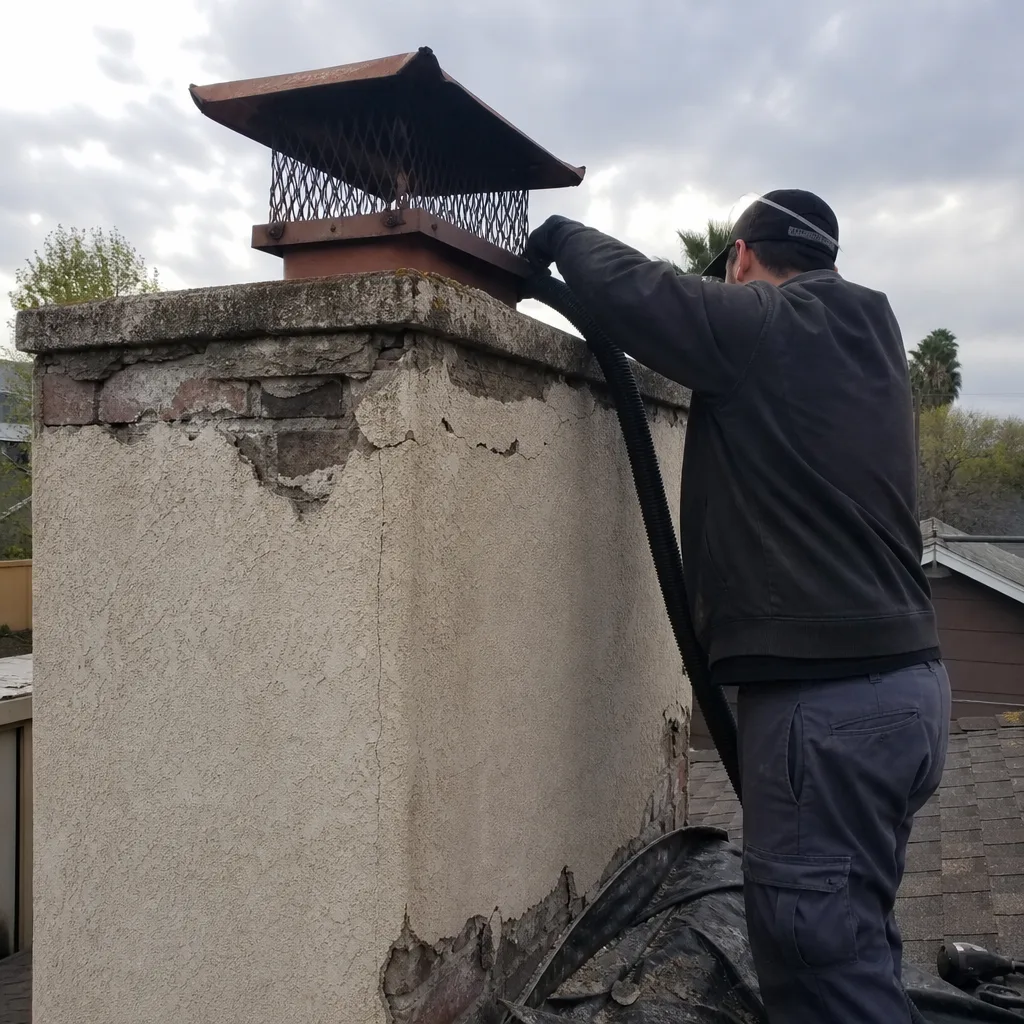 Before
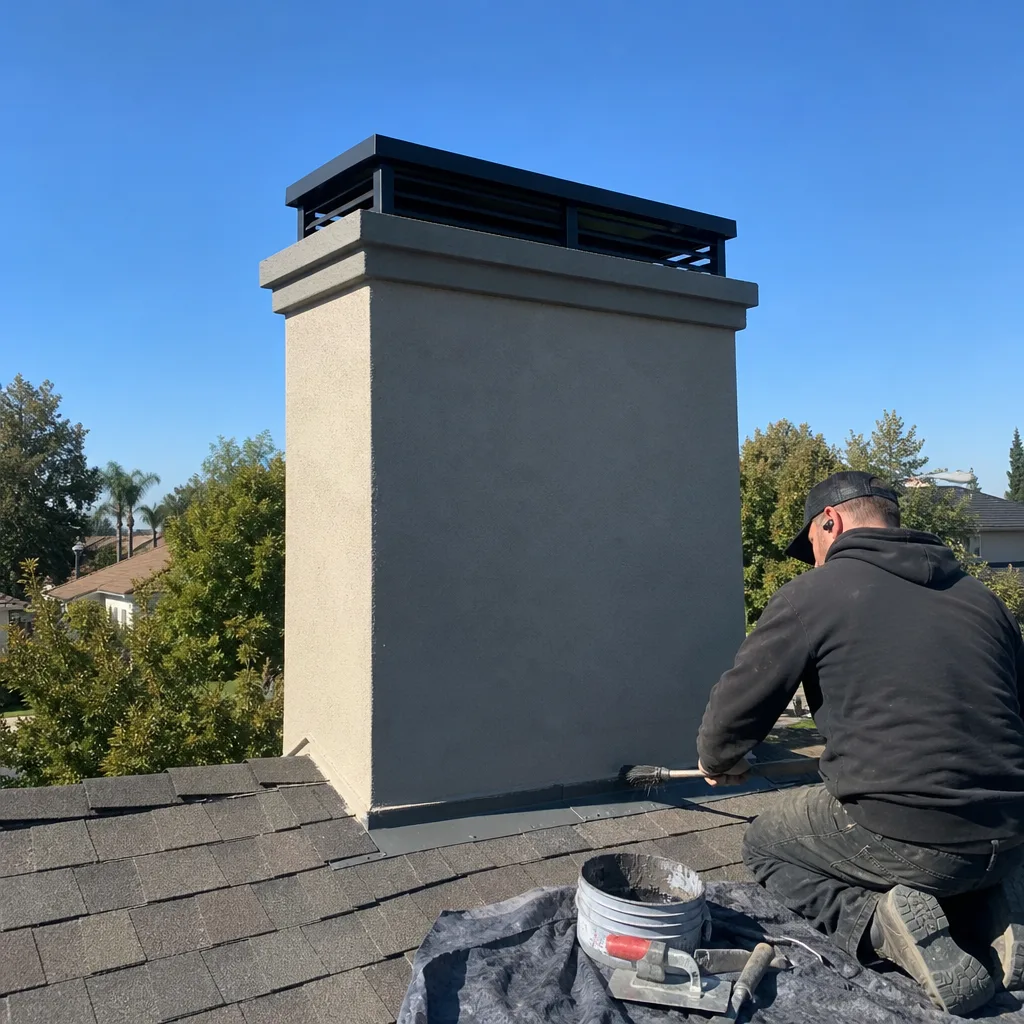 After
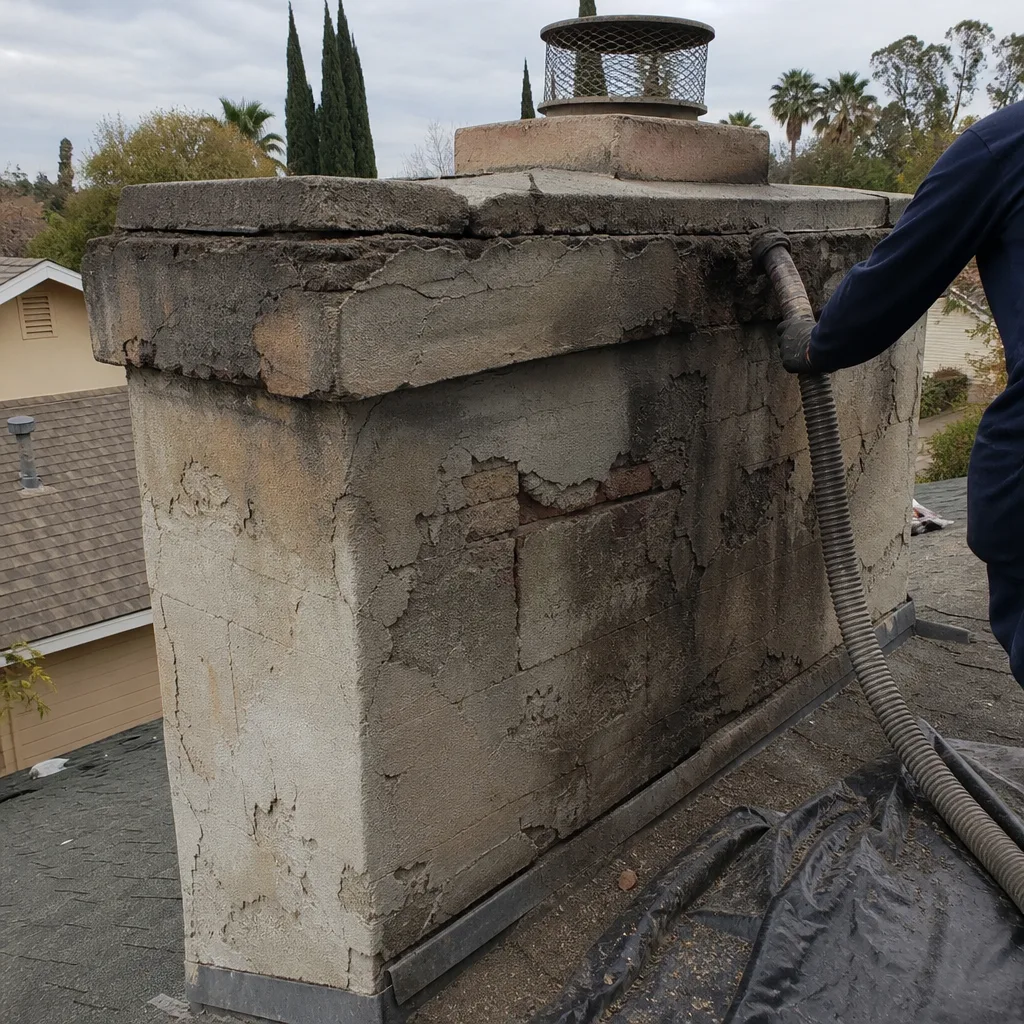 Before
 After
 Before
 After