
Last updated November 2, 2026
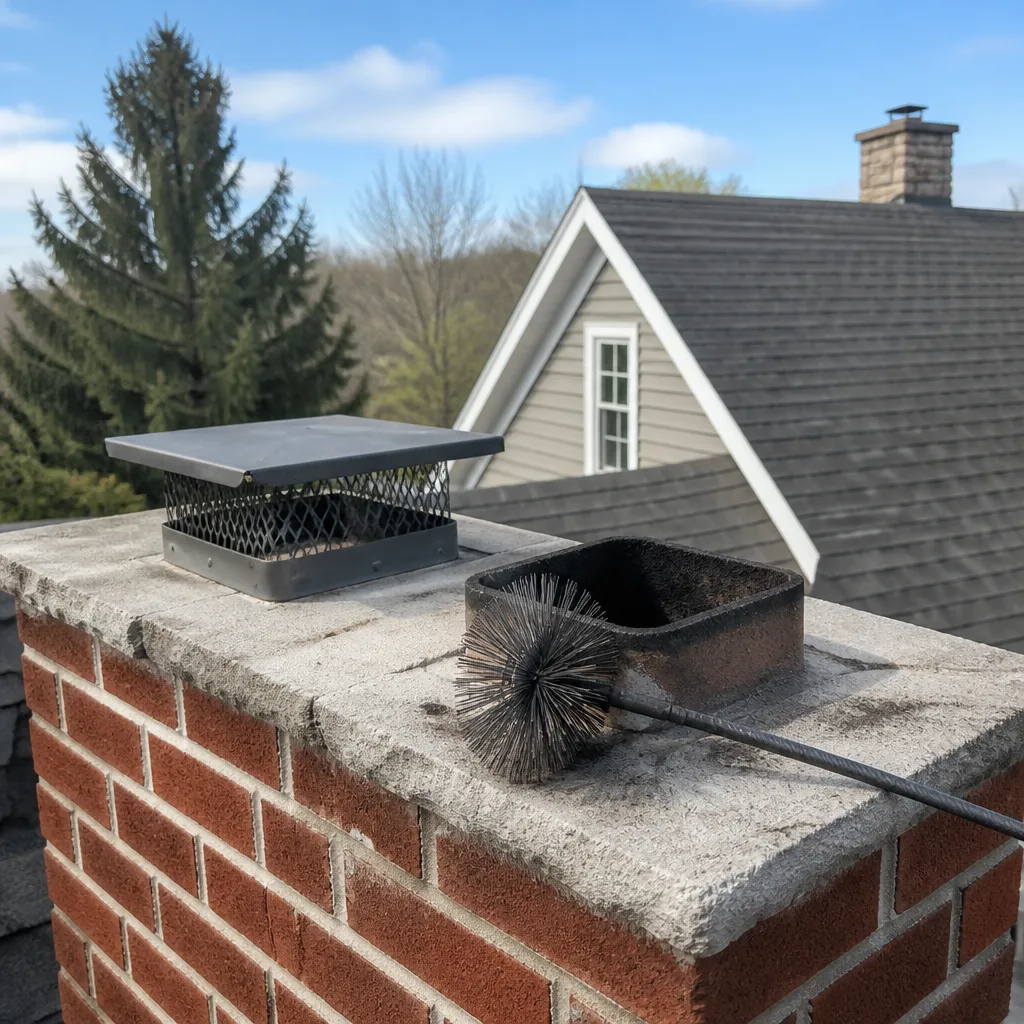 Sweep & inspection
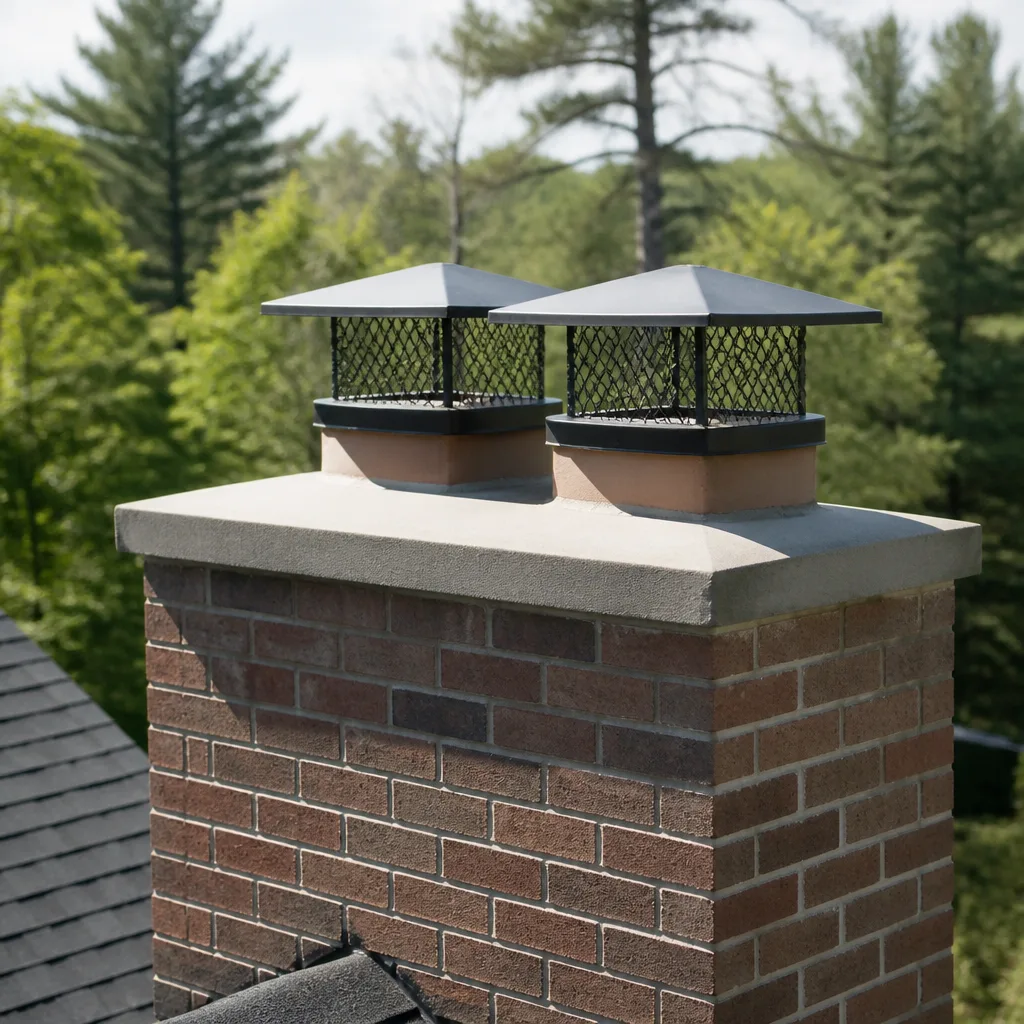 Caps & crowns
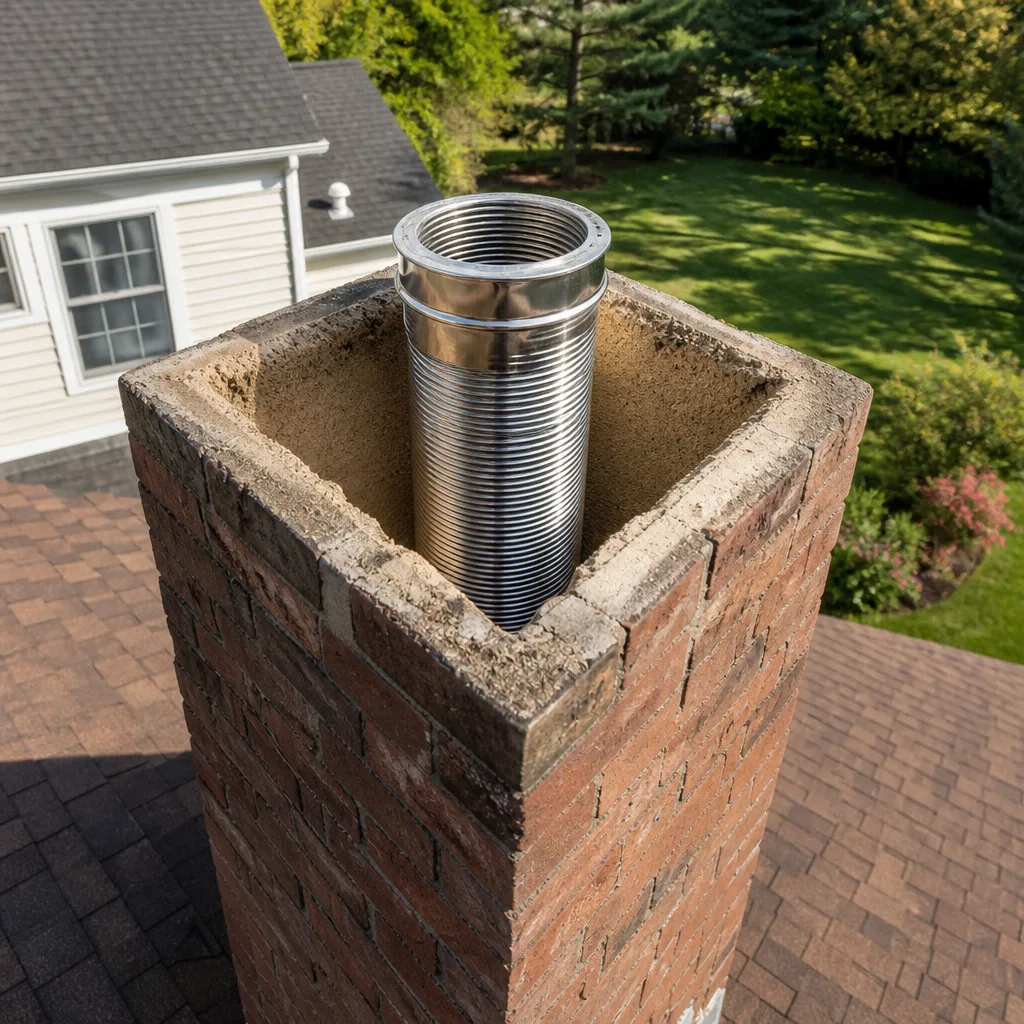 Flue relining
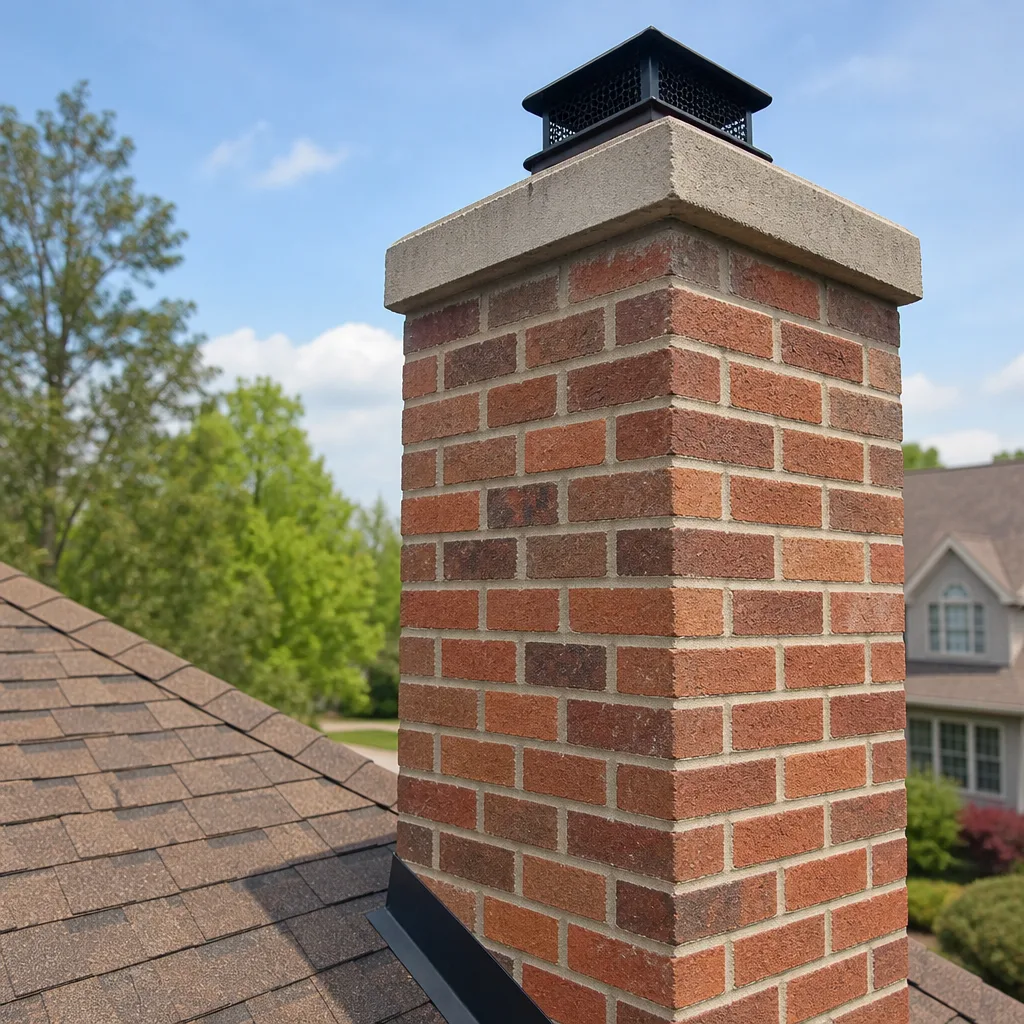 Masonry repair
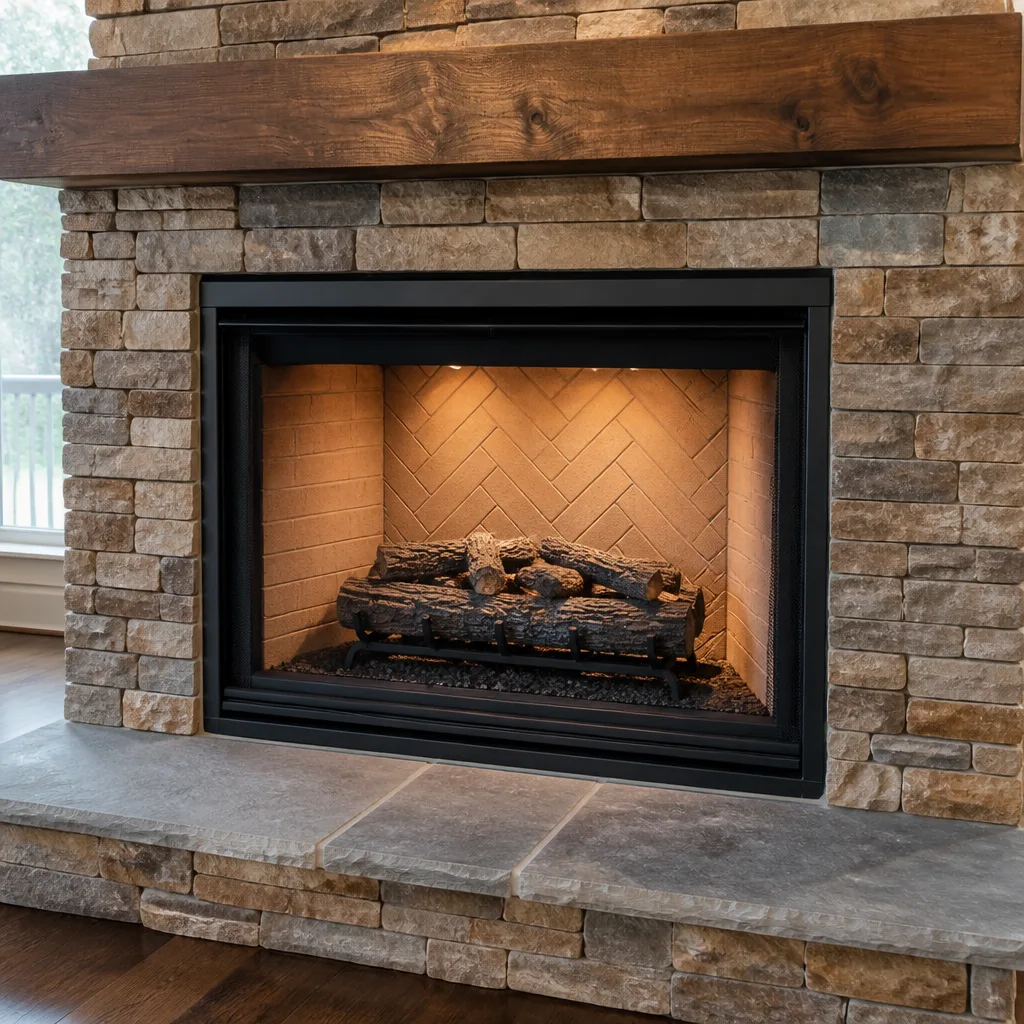 Gas fireplace service
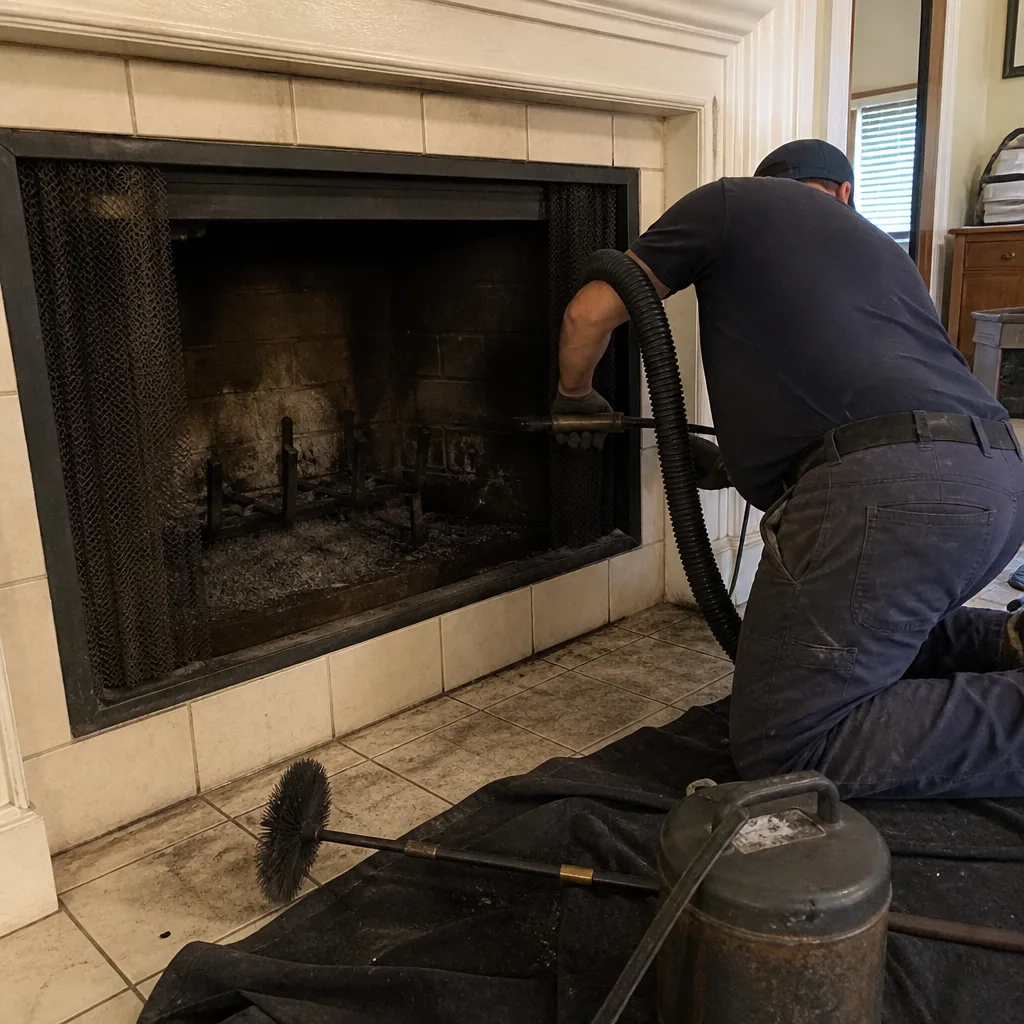
Level 1 sweep and inspection to the NFPA 211 annual standard - flue, crown, cap, and flashing checked and photographed
Chimney sweep logs do not sweep chimneys. They loosen some creosote - which then falls where a brush and vacuum still have to collect it.
Chimney Cleaning Warning Signs: An Elk Grove Homeowner’s Reference Guide
Most Elk Grove homeowners think a chimney problem will announce itself with smoke pouring into the living room. It usually doesn’t. The earliest warnings are things you’d shrug off: a smell that comes and goes, a sound you only hear on windy nights, a stain you’ve stopped noticing on the brick above the fireplace. This guide covers the signals that actually matter, the ones that show up months or years before a chimney fire or carbon monoxide event. For more guides & resources, see our blog. If you burn wood in Elk Grove, where winter inversions trap smoke low over the valley and summer heat bakes your flashing and crown, these are the signs to learn.
Styles & brands we work with
- Sweep & inspection
- Caps & crowns
- Flue relining
- Masonry repair
- Gas fireplace service
Quick Answer
The most common chimney cleaning warning signs in Elk Grove are a persistent campfire or burnt-plastic smell even when the fireplace is cold, visible dark creosote buildup on the damper or firebox walls, smoke drifting into the room instead of up the flue, and a crackling or popping sound from the flue during a burn that doesn’t match the fire’s rhythm. Our Chimney Sweep Troubleshooting: Common Problems and How to Fix Them explains what each symptom means. None of these are normal fireplace behavior. Each one points to something specific happening inside the system.
Table of Contents
- Smells That Mean Something Specific
- Draft Behavior: When Your Chimney Is Fighting You
- Sounds From the Firebox: Popping, Crackling, and What They Mean Structurally
- Exterior Signs You Can See From the Ground
- How to Tell If Your Chimney Had a Previous Fire Nobody Told You About
- The Three Stages of Creosote and Why Stage Matters in Elk Grove
- Warning Signs Specific to Gas Logs and Inserts
- Dryer Vent Warning Signs That Follow the Same Pattern
- Common Mistakes to Avoid
- When to Call a Professional
- Frequently Asked Questions
- The Bottom Line
Smells That Mean Something Specific
A burning plastic smell from your fireplace isn’t a kid’s toy that rolled too close. In our experience across Elk Grove homes, that acrid, chemical odor is usually the damper seal melting, which means your damper is failing and heat has been escaping year-round. Dampers on older Elk Grove homes, especially the 1970s and 80s builds in Laguna and Sheldon, were often fitted with a rubber or plastic gasket that hardens and cracks over decades of Sacramento Valley summer heat. When you light a fire, that deteriorated seal cooks. The smell is your first and only warning before the damper stops sealing entirely.
But not every chimney smell is creosote, and treating them all the same is how homeowners waste money. Here’s what different odors actually indicate:
- Campfire or barbecue smell when the fireplace is cold: Creosote buildup inside the flue is off-gassing, especially on humid days. In Elk Grove, this happens most after the first fall rain when moisture hits creosote deposits that accumulated over the previous winter. It’s also the classic sign that a sweep is overdue.
- Burnt plastic or chemical smell during a burn: Damper seal failure, as described above. Sometimes it’s also a manufactured log with additives burning incompletely, but if you’re burning seasoned cordwood and still smell plastic, the damper is the prime suspect.
- Musty, earthy, or “wet basement” smell: Water is getting into the flue. This is a masonry or crown issue, not a cleaning issue. The smell is mold or mildew growing in water-damaged flue tiles or on creosote that’s been dampened repeatedly. In Elk Grove’s wet winters, a cracked chimney crown or failed flashing on the roof penetration lets water in every time it rains.
- Dead animal smell: An animal has gotten into the chimney and died, or is nesting. This is common in fall when squirrels and birds seek warm cavities. Elk Grove’s mature oak canopy means a lot of tree squirrels, and they don’t need a big opening. A missing or damaged chimney cap is the entry point.
- Smoky smell in a room where there’s no fireplace: Backdrafting is pushing flue gases into the house instead of up and out. This is a draft or venting problem and needs immediate attention, not a can of air freshener.
Smells are the sense you should trust most because the nose detects trace amounts long before you’d see visible smoke. If a smell comes and goes, that’s not a reason to ignore it. Draft conditions change with temperature and wind, so a chimney that backdrafts only on certain days will smell only on certain days. That intermittent pattern is a clue worth following.
Draft Behavior: When Your Chimney Is Fighting You
Most homeowners blame wind for a smoky fireplace. Sometimes it is wind. But in Elk Grove, where winter storms come off the coast and slam into the Sierra foothills, wind direction and flue height interact in predictable ways. A properly sized and maintained chimney handles normal wind. When it doesn’t, something in the system has changed.
Draft is simply the movement of air up the flue. Hot air rises, and the fire creates the heat that pulls smoke upward. But a chimney also has to overcome the air pressure inside your house. If your house is tightly sealed, or if a bathroom fan or range hood is running, the house pressure drops and the chimney becomes the easiest place for outside air to enter. That’s backdraft: air pushing down the flue instead of up. It carries smoke and carbon monoxide with it.
Here are the draft behaviors that signal a problem rather than a coincidence:
- Smoke enters the room only when you open the fireplace doors or add wood: The flue isn’t pulling hard enough. This can be creosote narrowing the opening, a cold flue that hasn’t had time to prime, or a flue that’s undersized for the firebox. If it happens every time you open the doors, something has changed inside the flue.
- Fire starts well, then smokes after 20-30 minutes: The flue is warming up and the draft should improve, not worsen. If smoke appears mid-burn, the likely causes are a flue obstruction that’s shifting, or creosote that’s expanding as it heats and narrowing the flue diameter.
- You feel cold air pouring down the chimney when the fireplace is not in use: This is a damper or seal problem. A properly sealed damper stops most of this. If you feel a steady draft even with the damper closed, the damper isn’t seating, or there’s an opening elsewhere in the system, like a rusted-through side of the firebox or a cleanout door left open.
- Smoke appears in other rooms, not the room with the fireplace: This is backdrafting into the house through any available negative pressure path. The fireplace is competing with exhaust fans, the furnace, or the water heater. This is the most serious draft red flag because it means combustion gases are moving through the living space.
- Wind from one specific direction always causes smoke: The chimney cap or crown may be damaged on one side, or the flue termination is below a roof peak or nearby tree line that creates a downdraft. Elk Grove’s flat landscape means many chimneys terminate without a tall enough flue to clear the roofline turbulence zones.
A smoky fireplace is not a personality quirk. It’s a symptom. Every Elk Grove chimney that drafts poorly has a specific reason, and most of them are correctable with cleaning, a cap change, or a damper repair. See our Chimney Sweep Maintenance Checklist for Elk Grove Homeowners for a step-by-step approach. The danger is that a homeowner learns to live with it, opens a window while burning, and never addresses the underlying issue until it escalates.
Sounds From the Firebox: Popping, Crackling, and What They Mean Structurally
Fire pops. That’s normal wood moisture expanding and escaping as steam. But there’s a different sound, a sharp crack that’s louder than the fire’s natural popping and seems to come from the walls or the chimney itself, not the logs. That sound is often flue tile cracking under thermal stress.
Here’s what happens: Flue tiles expand as they heat. If creosote has filled the space between the tile and the masonry, or if the tile itself has a hairline crack, that expansion has nowhere to go. The result is a sharp, percussive crack that doesn’t match the rhythm of the fire. Over time, this repeated thermal cycling widens the crack. A cracked flue tile is a direct path for heat and flame to reach the combustible structure around the chimney, which is the mechanism behind most house fires that start in chimneys.
Other sounds worth noting:
- A hollow rumbling or whooshing sound from the flue: This can be a partial chimney fire in progress, or the sound of a large creosote deposit burning off. If you hear this, call the fire department. Don’t wait to see if it calms down.
- Rain or dripping sounds inside the flue: Water has entered the system. This could be a crown problem, flashing issue, or a chase cover that’s failed on a prefab unit. Water plus creosote creates an acid that eats mortar and corrodes metal components.
- Scratching or fluttering sounds when the fireplace is off: An animal is in the flue or the smoke chamber. Birds, squirrels, and bats use chimneys for nesting. The animal itself is a blockage, and its nest is combustible material sitting in the flue.
- A metallic ticking sound as the fire heats up: This can be a metal liner expanding against its supports, which is normal on some stainless systems. But if it’s a new sound, or getting louder over weeks, it’s worth having the liner inspected. A liner that’s come loose from its attachment points will move as it heats and cools.
If you hear a sound from your fireplace that you can’t explain, don’t file it under “that’s just what fires do.” Fires don’t make structural sounds. Structural sounds come from structure. In Elk Grove homes built in the 1980s and earlier, the clay tile liners are now 35 to 50 years old, and age is the biggest predictor of cracking.
Exterior Signs You Can See From the Ground
You don’t need a ladder to spot many chimney problems. The exterior of the chimney tells you a lot about what’s happening inside it, because moisture moves through the whole masonry system. What starts as a roof leak or a crown crack eventually shows up on the brick face.
Efflorescence: This is the white, chalky staining that appears on brick faces. It’s mineral salts that moisture has carried from inside the masonry to the surface. Efflorescence means water is moving through the chimney structure, not despite the bricks but through them. In Elk Grove’s climate, alternating wet winters and hot, drying summers accelerate this cycle. Efflorescence isn’t cosmetic. It’s a moisture map showing you where the system is saturated.
Spalling: When brick faces flake, chip, or pop off in pieces, that’s spalling. It happens when water inside the brick freezes and expands, or when a wet brick heats rapidly. You’ll see spalled brick fragments on the roof or the ground below the chimney. Spalling means the brick has lost its protective face layer, and the softer interior is now exposed to the elements. The structural integrity of the chimney is degrading.
Dark staining or tar-like streaks: Creosote that’s been wet and then heated can migrate through the masonry and appear as dark, oily stains on the exterior, often near the top or around mortar joints. This is a sign of heavy creosote loading in the flue combined with moisture intrusion. The creosote is literally bleeding through the masonry.
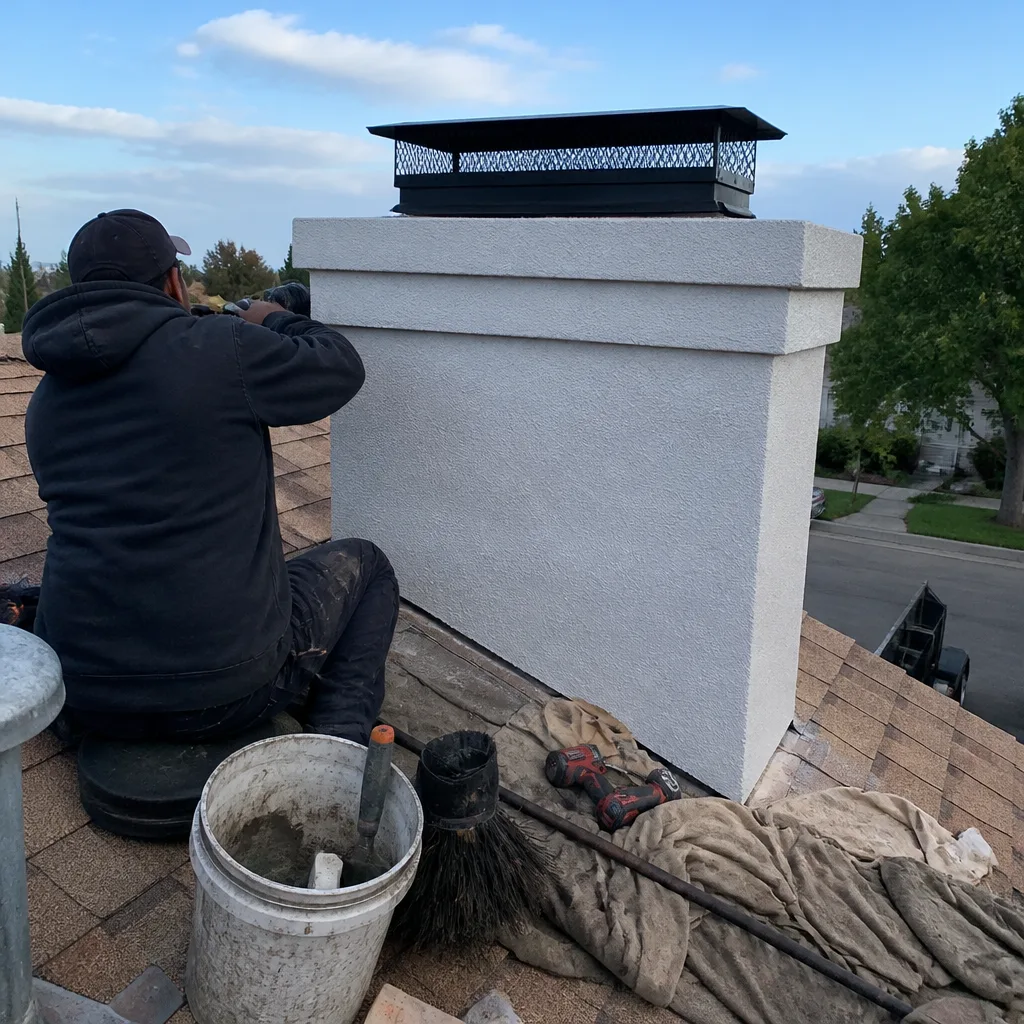
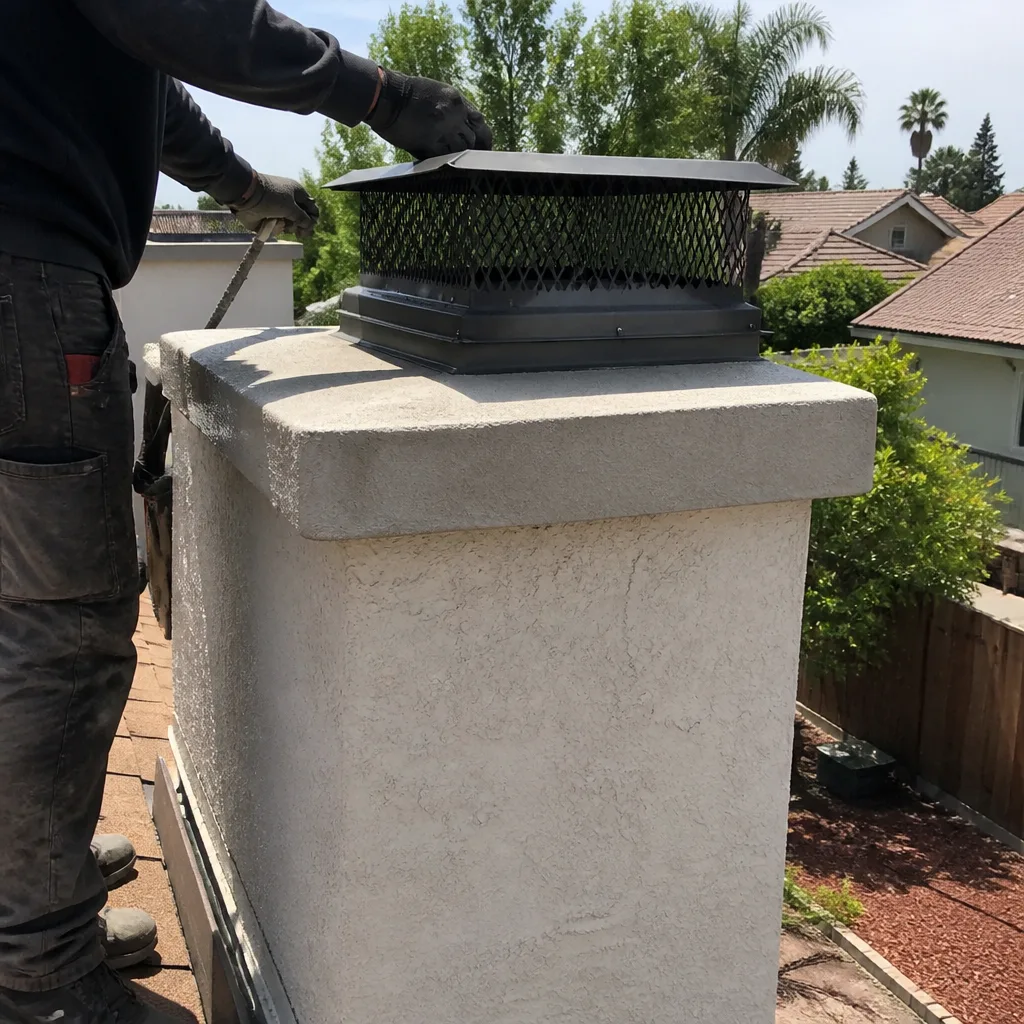
Missing or cracked chimney cap: The cap is the first line of defense against water, animals, and downdrafts. In Elk Grove, a cracked cap from freeze-thaw cycles or a missing one from a bad storm is an open door for everything else on this list. If you can see the cap from the ground and it’s tilted, rusted through, or cracked, water has been getting in.
Rust stains running down from the cap or flashing: Rust means metal components are failing. A rusted cap has lost its weather seal. Rusted flashing at the roofline means the intersection of chimney and roof is letting water into the attic and the chase. Both issues need repair, not just a surface coat of sealant.
Vegetation growing from the masonry: If you see plants, moss, or vines growing out of the chimney structure, roots are in the mortar joints. Roots widen joints and push brick faces apart. This is a slow structural failure and usually signals years of deferred maintenance.
Walk outside and look at your chimney for thirty seconds. You’ll see more than you expect, and none of these exterior signs fix themselves.
How to Tell If Your Chimney Had a Previous Fire Nobody Told You About
When a home changes hands in Elk Grove, chimney problems rarely make it into the disclosure packet. A previous owner who had a chimney fire may have cleaned up the visible mess and never mentioned it. But chimney fires leave forensic evidence, and a trained eye can spot it in a routine inspection.
For a Chimney Sweep in Elk Grove, the signs of a past chimney fire are straightforward:
- Honeycomb or puffy creosote: During a chimney fire, creosote expands under extreme heat and takes on a bubbled, honeycomb texture. Normal creosote is hard and crusty or flaky and tar-like. Puffy creosote is fire damage, period. It burns much more readily than normal creosote on any future fire.
- Cracked flue tiles with smooth, glassy edges: Thermal shock from a chimney fire doesn’t just crack tiles; it fuses the broken edges. A clean, sharp crack is from normal heat cycling. A crack with melted or glazed edges was exposed to chimney fire temperatures, often above 1,800 degrees Fahrenheit.
- Warped or discolored damper metal: The damper sits high in the firebox and catches the worst of any chimney fire. If the damper plate is warped, has a blue or rainbow heat discoloration, or no longer seats properly, the chimney has seen temperatures that it wasn’t designed to handle.
- Annealed or distorted metal at the top of the chimney: The cap, spark arrestor, and rain guard are the first metal components a chimney fire reaches. Heat distortion at the flue termination means the fire burned all the way up the flue, which is a serious event.
- Mortar joints with a gray, baked appearance: Chimney fire heat drives the water out of mortar and leaves it crumbly and lighter in color than surrounding joints. This is structural damage hiding in plain sight.
If you find any of these signs, the chimney needs a professional evaluation before another fire is lit. A Chimney Repair in Elk Grove inspection can document the damage and recommend whether a liner replacement or restoration is needed. Chimneys that have survived one fire are statistically far more likely to fail on the next one, because the protective components have already been compromised.
The Three Stages of Creosote and Why Stage Matters in Elk Grove
Creosote isn’t one substance. It forms in three distinct stages, and the difference between them determines how serious the cleaning need is and what approach works. In Elk Grove, where winter burners often use softwood like pine and fir that’s been seasoned for less than a full year, creosote accumulates faster than many homeowners expect.
Stage 1: Flaky soot. This is the easiest stage. It’s a fine, powdery, or flaky layer that brushes off with a standard chimney sweep. Every chimney produces Stage 1 creosote with every burn. The problem isn’t the presence; it’s the thickness. Stage 1 that’s allowed to build becomes Stage 2.
Stage 2: Crusty, tar-like deposits. At this stage, creosote has hardened into a dense, shiny, or matte crust that doesn’t brush off easily. It requires rotary cleaning tools, not a basic brush. Stage 2 creosote narrows the flue diameter, reduces draft, and becomes the fuel load for a chimney fire. In our experience with Elk Grove chimneys that haven’t been swept in three or more years, Stage 2 is the most common finding.
Stage 3: Glazed or hardened creosote. This is a thick, glass-like coating that can’t be removed with mechanical brushing alone. Stage 3 creosote forms after repeated low-temperature burns when moisture and creosote combine into a hard glaze. It’s the most fire-hazardous stage, and it usually requires chemical treatment or mechanical chain removal before the flue can be properly cleaned. A chimney in Stage 3 is a chimney fire waiting for the right burn.
The stage progression is driven by burn temperature. Hot, clean fires with dry hardwood produce less creosote. Cool, smoldering fires with unseasoned wood produce the most. Elk Grove’s winter inversions mean many homeowners keep a fire smoldering overnight to maintain heat, and that low-temperature burn is exactly what accelerates creosote formation. A chimney that’s swept annually rarely goes beyond Stage 2 between cleanings. A chimney that skips years can jump from Stage 1 to Stage 3 without the homeowner seeing anything from outside.
Warning Signs Specific to Gas Logs and Inserts
Gas fireplaces have their own set of warning signs, and they’re subtle because gas burns cleanly. There’s no creosote with gas. But there are still venting failures, carbon monoxide risks, and component problems that show up in predictable ways.
- Soot building up on the gas logs or the glass door: Gas should burn clean. If you’re seeing soot, the flame is impinging on something, the logs are out of position, or the burner is producing an improper air-to-fuel ratio. Gas soot is fine and clinging, not like wood soot, and it’s a sign the system needs adjustment or the venting is restricted.
- A lazy or yellow flame that used to be blue: Natural gas burns blue when it’s getting enough air. A yellow, lazy flame means incomplete combustion, which produces carbon monoxide. This is a venting or air intake problem, not a cosmetic issue.
- Condensation or moisture inside the glass: Gas combustion produces water vapor. In a properly vented system, that moisture goes out the flue. Moisture inside the glass means the exhaust is cooling too early or the flue is partially blocked. It can also signal a cracked heat exchanger on some insert models.
- A chemical or metallic smell when the gas logs first light: This can be dust burning off the burner after a summer of non-use. But if the smell persists past the first few minutes, it’s often adhesives or components breaking down, or the venting system is compromised and exhaust gases are re-entering the room.
- The glass door is hot to the touch, more than usual: Gas fireplace glass should be hot during operation, but an unexpected increase in surface temperature can mean the flame pattern has changed or the burner is impinging on the glass. This is a component positioning issue that needs correction before the glass stress-fractures.
Gas inserts still have chimneys. Some use the original masonry flue with a liner. Others use direct venting out the wall. Both systems need inspection and cleaning. The venting requirements don’t disappear just because the fuel is cleaner. A gas insert that’s been installed without a proper liner is a carbon monoxide risk that many Elk Grove homeowners inherited when they bought a home with a pre-existing insert.
Dryer Vent Warning Signs That Follow the Same Pattern
Chimneys and dryer vents fail in surprisingly similar ways. Both move hot air and combustible particles. Both clog when they’re not cleaned. Both burn if the buildup is left long enough. The company that handles your chimney should be able to handle your dryer vent too, because Dryer Vent Cleaning in Elk Grove is the same discipline applied to a different pipe.
Dryer vent warning signs follow the same logic as chimney warning signs. The smells, sounds, and performance changes all point to something specific:
- Clothes take longer to dry than they used to: Lint is restricting airflow. The dryer still works, but it’s pushing against a clogged vent. This is the dryer equivalent of a smoky fireplace: the system is telling you it’s obstructed, and you’re learning to live with it.
- A musty or burning smell from the dryer area: Musty means trapped moisture is sitting in the duct, usually because airflow is too weak to push it out. A burning smell means lint has gotten close to the heating element or the motor is overheating from running longer cycles against a clogged vent.
- The dryer or the laundry room feels hotter than usual: Heat that should be exiting through the vent is staying in the dryer and the room. This is inefficient and, over time, dangerous. Lint is one of the leading residential fire causes in the U.S., and a hot laundry room is the early warning.
- The outdoor vent flap doesn’t open when the dryer is running: If the flap doesn’t move, airflow isn’t reaching the exhaust point. The obstruction is either inside the duct or the flap itself is gummed up with lint and debris.
- Lint is visible around the dryer or the vent stack: Lint on the floor behind the dryer means the duct has a gap or tear. Lint on the outside of the house around the vent opening means the termination is failing. Both are fixable, and both are more common than most homeowners expect.
One call covers both of your home’s leading fire-venting risks. That’s the practical argument for treating these as one system with one contractor, rather than coordinating a chimney company and a separate handyman for the dryer line.
Common Mistakes to Avoid
- Assuming a smoky fireplace is just “how it is.” We’ve heard Elk Grove homeowners describe chimney problems as if the fireplace has a personality. It doesn’t. Smoke in the room is a mechanical problem, and every mechanical problem has a correctable cause.
- Using a store-bought creosote log instead of a sweep. Creosote sweeping logs can soften Stage 1 deposits, but they don’t clean the flue, they don’t inspect for damage, and they create a false sense of maintenance. A fire after a sweeping log is not a swept chimney.
- Burning unseasoned wood to save money. Green wood produces more creosote per burn than any other single factor. The money saved on cheap firewood gets spent later on a deeper cleaning or a liner repair. Seasoned wood in Elk Grove means at least 12 months split and stacked, not “I cut it last month.”
- Painting over efflorescence or sealing spalled brick from the outside. Sealing the exterior without addressing the moisture source traps water inside the masonry and accelerates the damage. Exterior sealants on chimneys do more harm than good in most cases.
- Ignoring a damp smell because it’s been there for years. A damp smell from the chimney is water actively entering the system. It’s not a background condition. The longer it’s ignored, the more the flue tiles, mortar, and damper components degrade. In Elk Grove’s wet winters, one season of ignored moisture is enough to crack a crown.
- Skipping a chimney inspection when buying a home. Most Elk Grove homes are 20 to 40 years old. The chimney has seen decades of use. A pre-purchase chimney inspection costs a fraction of what a liner replacement costs, and it gives you a documented baseline before you take the keys.
When to Call a Professional
You should call a chimney professional when any of the warning signs in this guide persist for more than one burn, or reappear after a sweep. A smell that doesn’t go away is a real finding. Water stains that grow between seasons are active moisture. Cracked flue tile doesn’t heal. If you’ve inherited a chimney you’ve never had inspected, that inspection is overdue on day one.
For Elk Grove homeowners, Chimney Repair Elk Grove home offers free estimates and works with contractor-grade materials from DuraFlex and HeatShield, so the repair is built to last rather than patched to pass. Call (833) 620-0280 to schedule a sweep, an inspection, or a repair assessment. The worst time to find out your chimney has a problem is during the first cold snap when everyone else is calling too.
Frequently Asked Questions
A standard chimney sweep in Elk Grove typically ranges from $150 to $300 for an open fireplace, with the price varying based on creosote stage, flue length, and whether the chimney includes a gas insert or wood stove. A chimney that’s been neglected and is in Stage 3 creosote will cost more than a straightforward annual maintenance sweep. If you’re comparing providers, our Choosing the Right Chimney Cleaning Brand: A Buyer’s Guide for Elk Grove can help. Call (833) 620-0280 for an exact quote based on your fireplace type and history, estimates are free.
The National Fire Protection Association recommends a chimney inspection at least once a year and a sweep whenever creosote reaches 1/8 inch of buildup, which for most Elk Grove wood-burning households means an annual sweep every fall. If you burn softwood, burn more than three cords per season, or keep a fire smoldering overnight, you may need a mid-season sweep as well. Gas fireplaces need annual inspection but not annual cleaning.
Creosote accumulates, the flue narrows, draft weakens, and the fire starts burning cooler and dirtier, which accelerates creosote formation, a feedback loop that ends with a chimney fire or a backdrafting situation that puts carbon monoxide in the house. The chimney fire risk is not linear; it jumps dramatically once creosote reaches Stage 2 thickness because that’s when a hot fire can ignite the deposits. A skipped sweep doesn’t just delay maintenance, it changes the risk profile of the entire system.
You need a new liner if your existing liner is cracked, missing sections, or was damaged by a chimney fire, and you should never take a liner recommendation without seeing camera evidence of the damage. A reputable chimney company will put a camera down the flue and show you exactly what they’re seeing. If a contractor recommends a liner replacement without camera documentation, get a second opinion. HeatShield and DuraFlex are both legitimate repair and relining products that address specific failure modes, but the diagnosis has to come first.
You can brush a Stage 1 flue with a DIY kit, but you can’t inspect what you can’t see, and you can’t identify cracked tiles, damaged mortar, or a failing damper from the firebox opening. A professional sweep includes a camera inspection that catches structural problems before they become fire hazards. Most importantly, a DIY sweep won’t document the condition of the flue for insurance or resale purposes. The cleaning is the easy part; the diagnosis is the value.
Yes, because gas fireplaces still vent combustion gases and a blocked or damaged gas vent is a carbon monoxide risk, not a creosote problem. Gas systems need their venting inspected, the burner adjusted, and the log positioning checked to ensure the flame burns cleanly. A gas fireplace that’s never been inspected can hide a cracked firebox panel or a restricted vent that you won’t notice until the CO detector goes off.
Summer heat and humidity in Elk Grove activate creosote deposits that have been sitting in the flue all spring, causing them to off-gas the smoky smell you associate with the fireplace. The smell is strongest on hot, humid days when downdrafts push air from the flue into the house. If your fireplace smells like a campfire in August, the creosote loading is high enough that it’s worth a sweep before the next burn season rather than waiting for fall.
The Bottom Line
Chimney problems whisper before they shout. The smell that comes and goes, the crack that doesn’t match the fire’s rhythm, the stain that grows a little each year, these are the signs that matter. In Elk Grove, where winter burners depend on their fireplaces for heat and ambiance, the chimney works hard for four to five months straight and then sits ignored for the rest of the year. That seasonal duty cycle means problems don’t compound gradually; they step-change between winter and spring. Learn the warning signs, trust your nose and your ears, and get the system inspected before the next cold snap. A chimney that’s swept and documented is a chimney you can actually enjoy. The alternative is a bet you don’t know you’re making.
Written by the team at Chimney Repair Elk Grove, serving Elk Grove since 2012.
See the difference
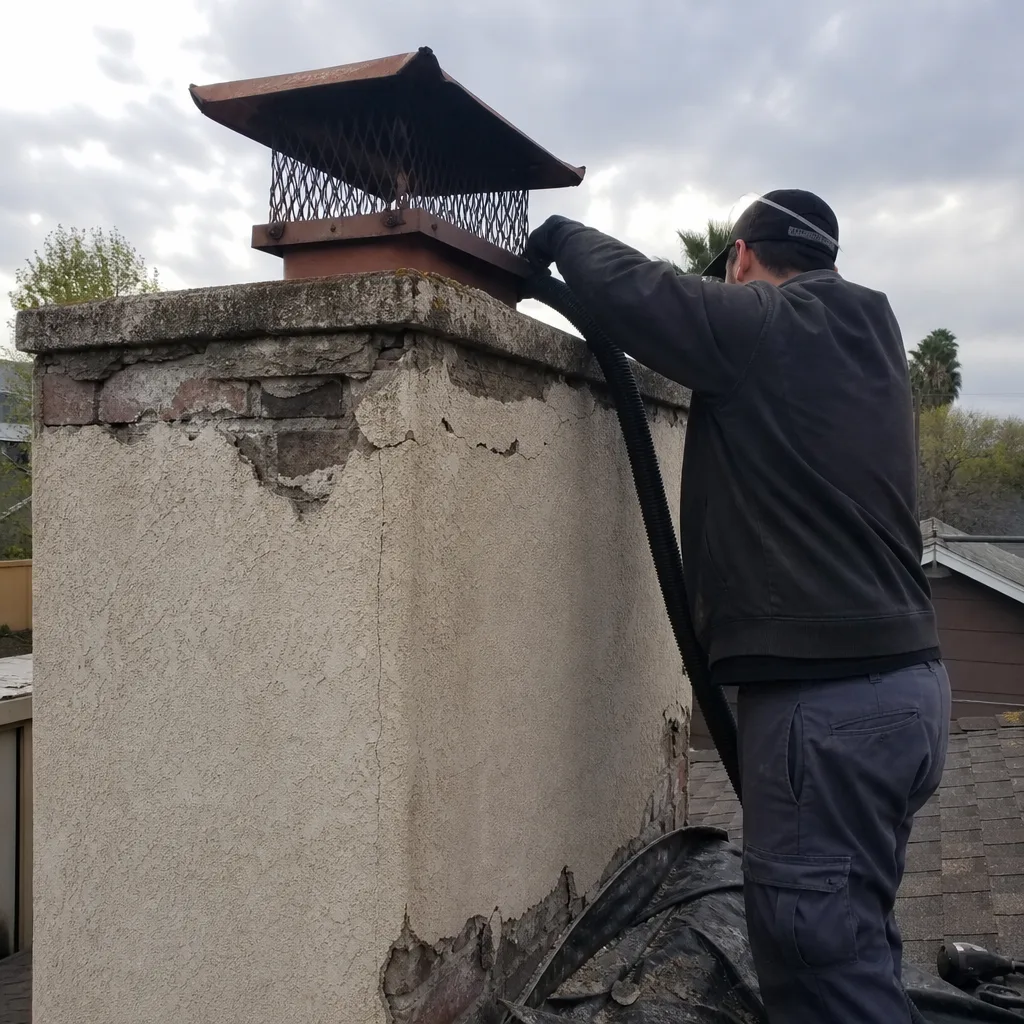 Before
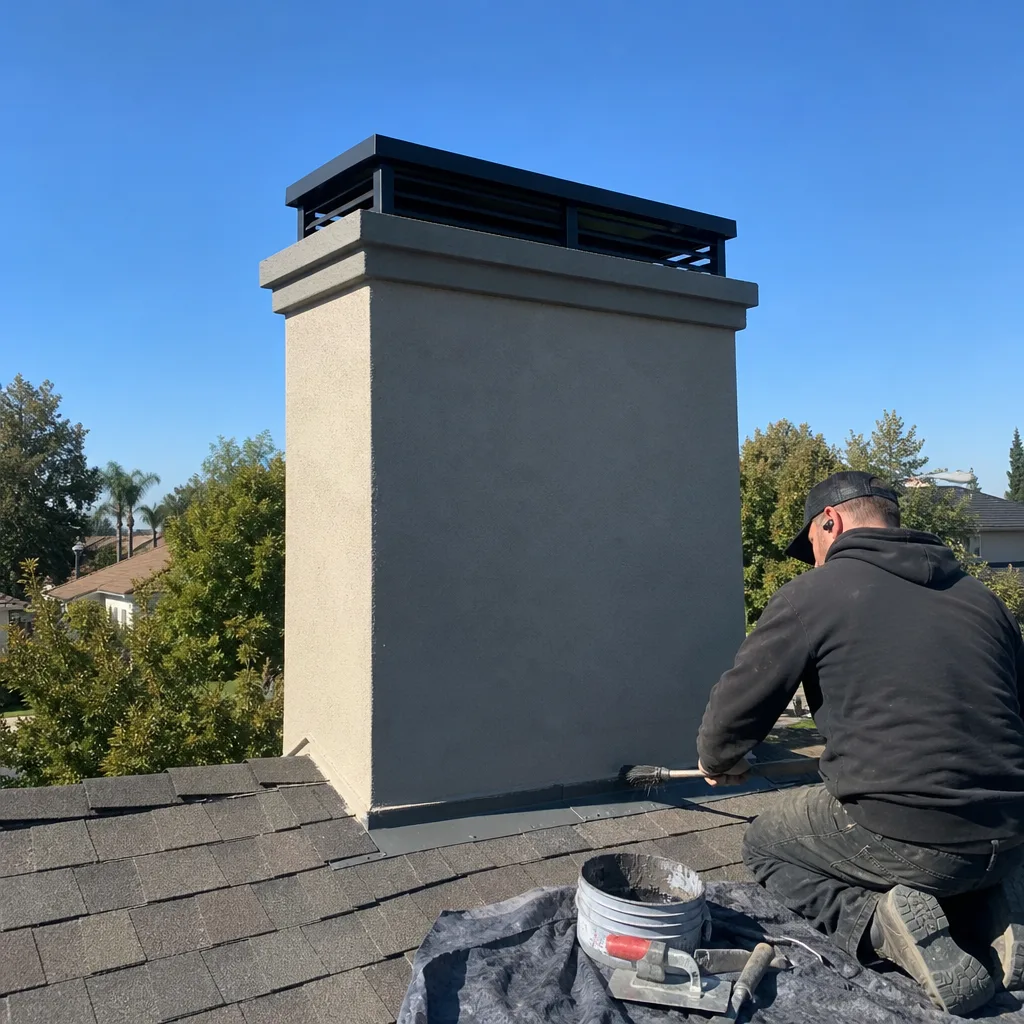 After
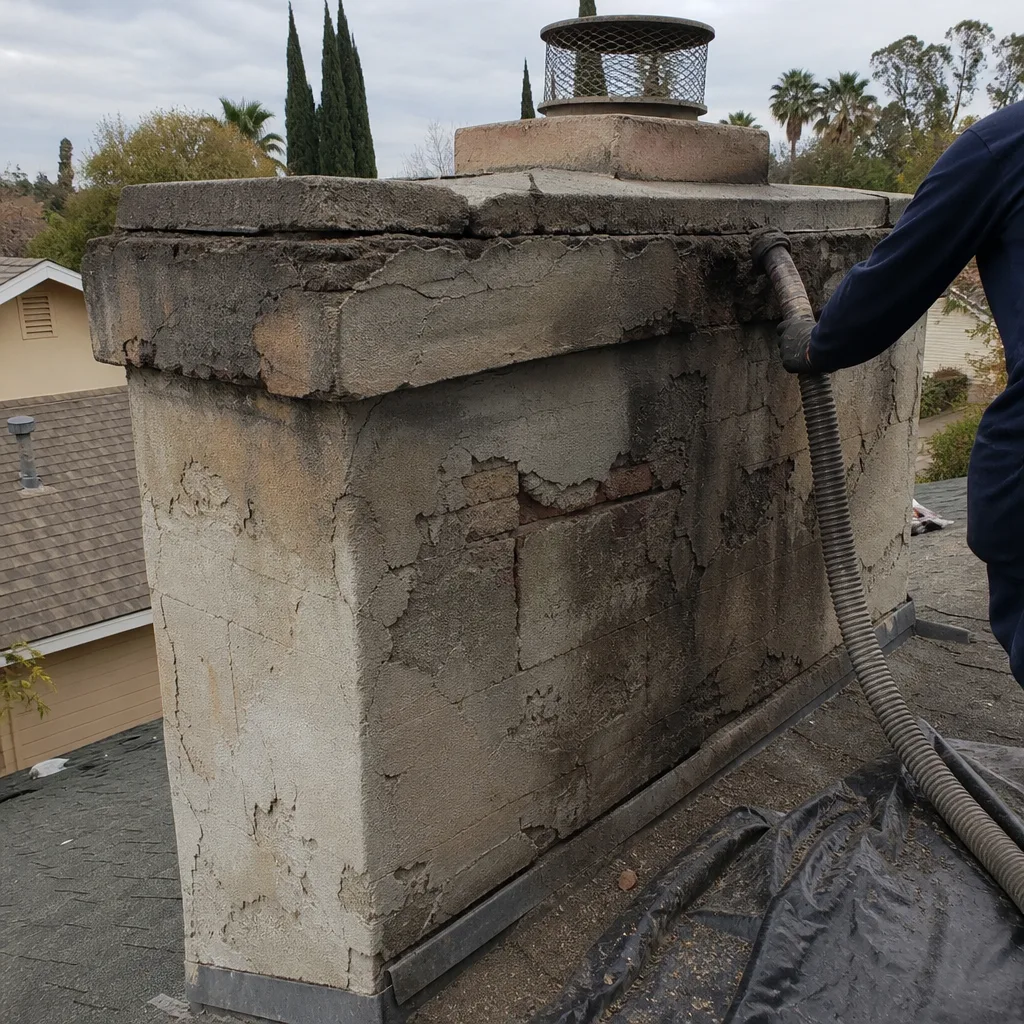 Before
 After
 Before
 After