
Last updated November 2, 2026
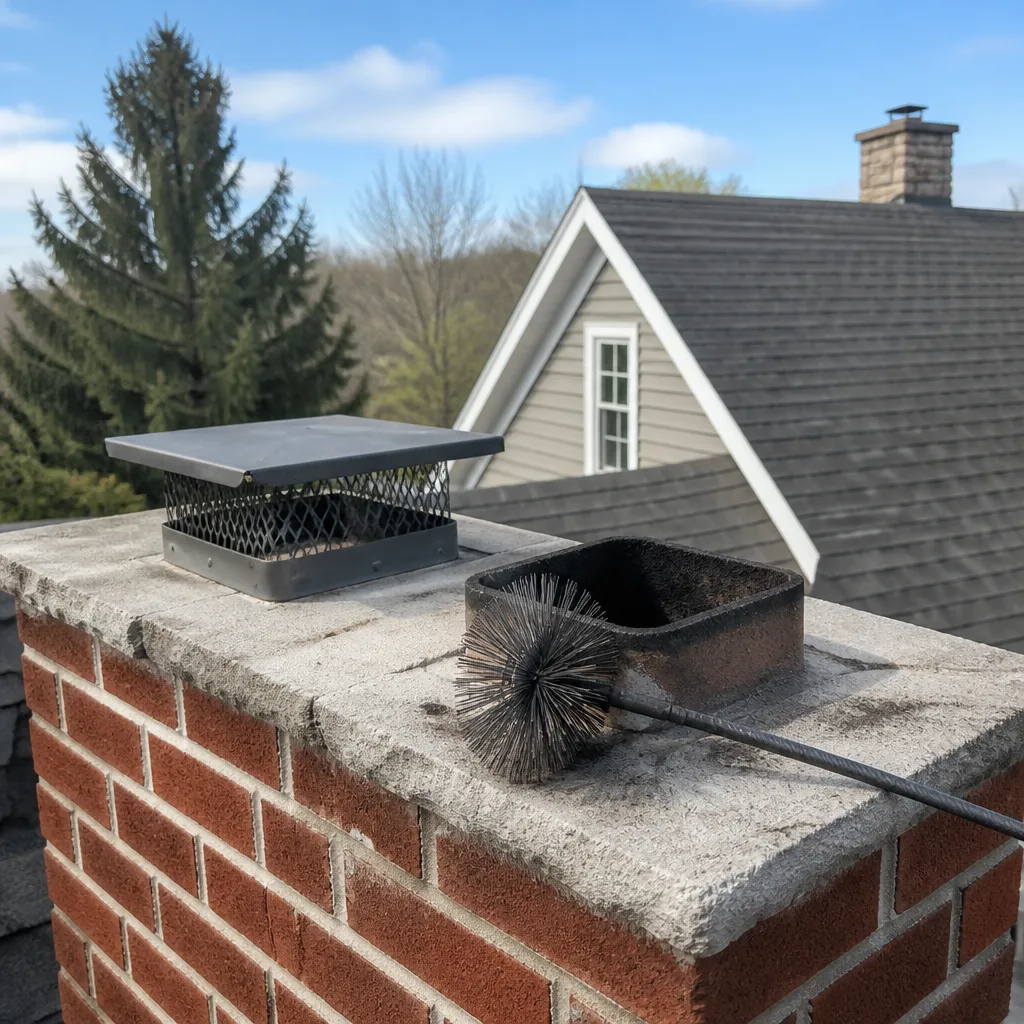 Sweep & inspection
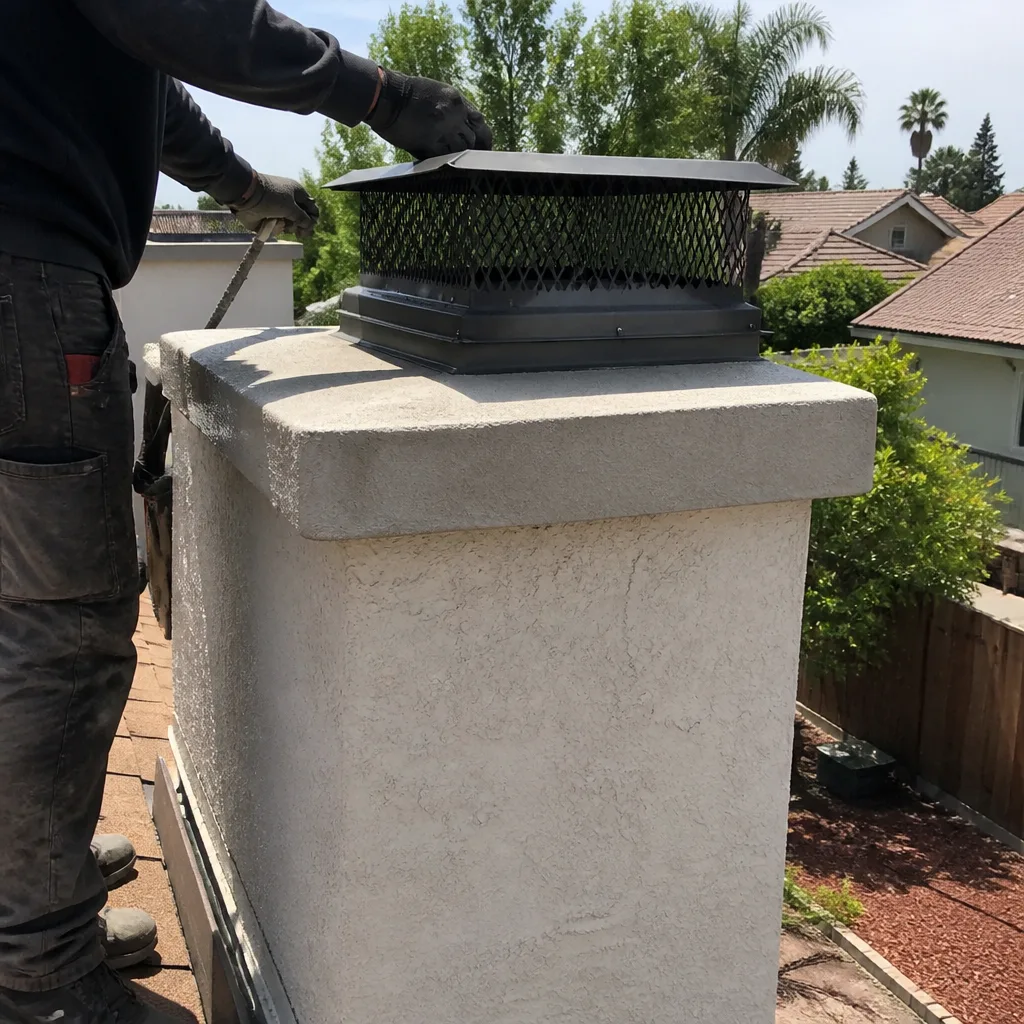
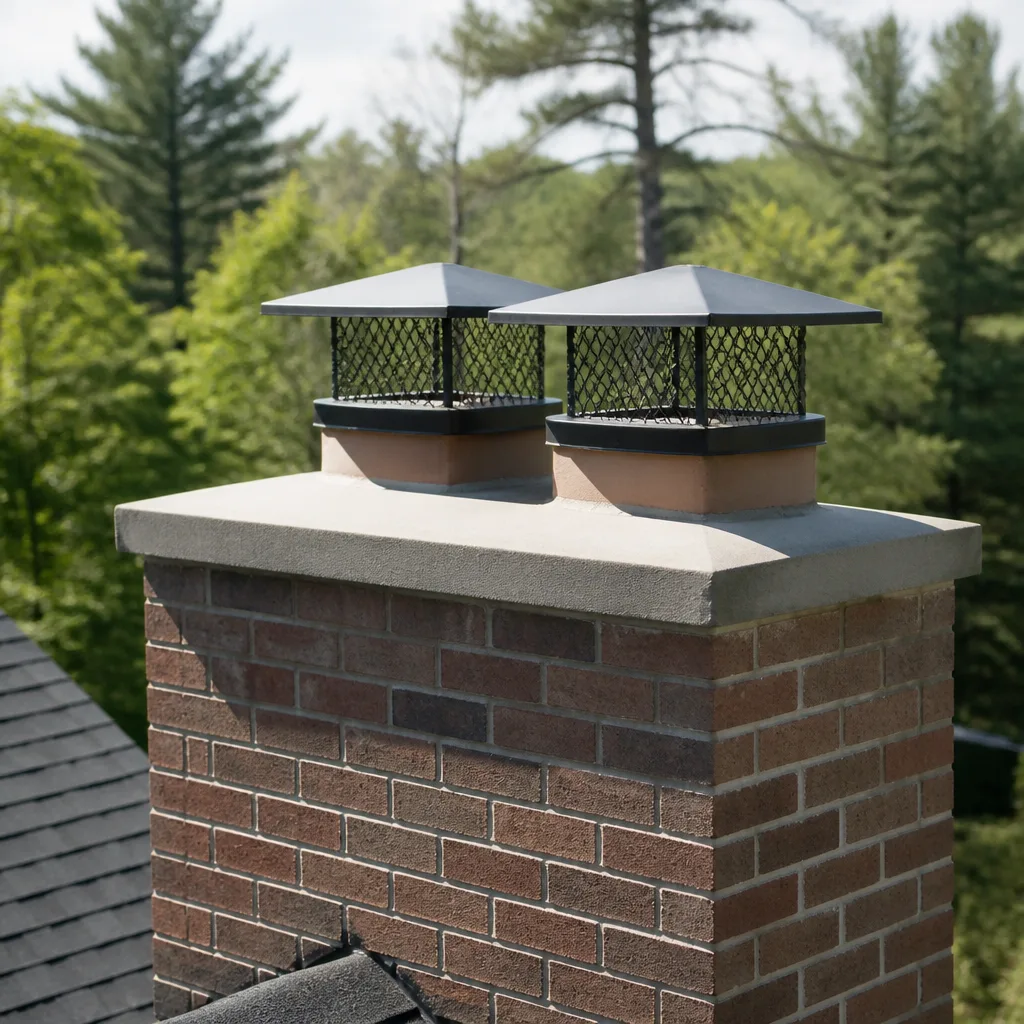 Caps & crowns
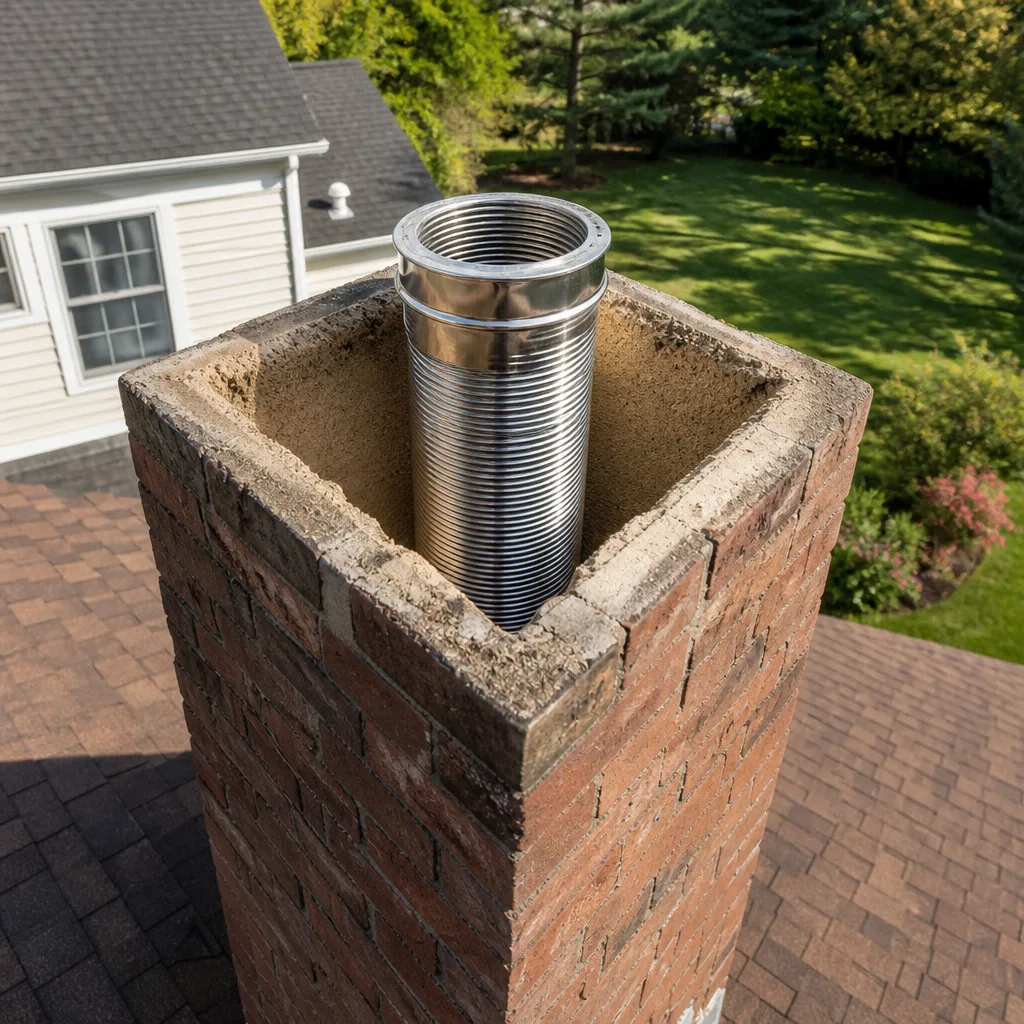 Flue relining
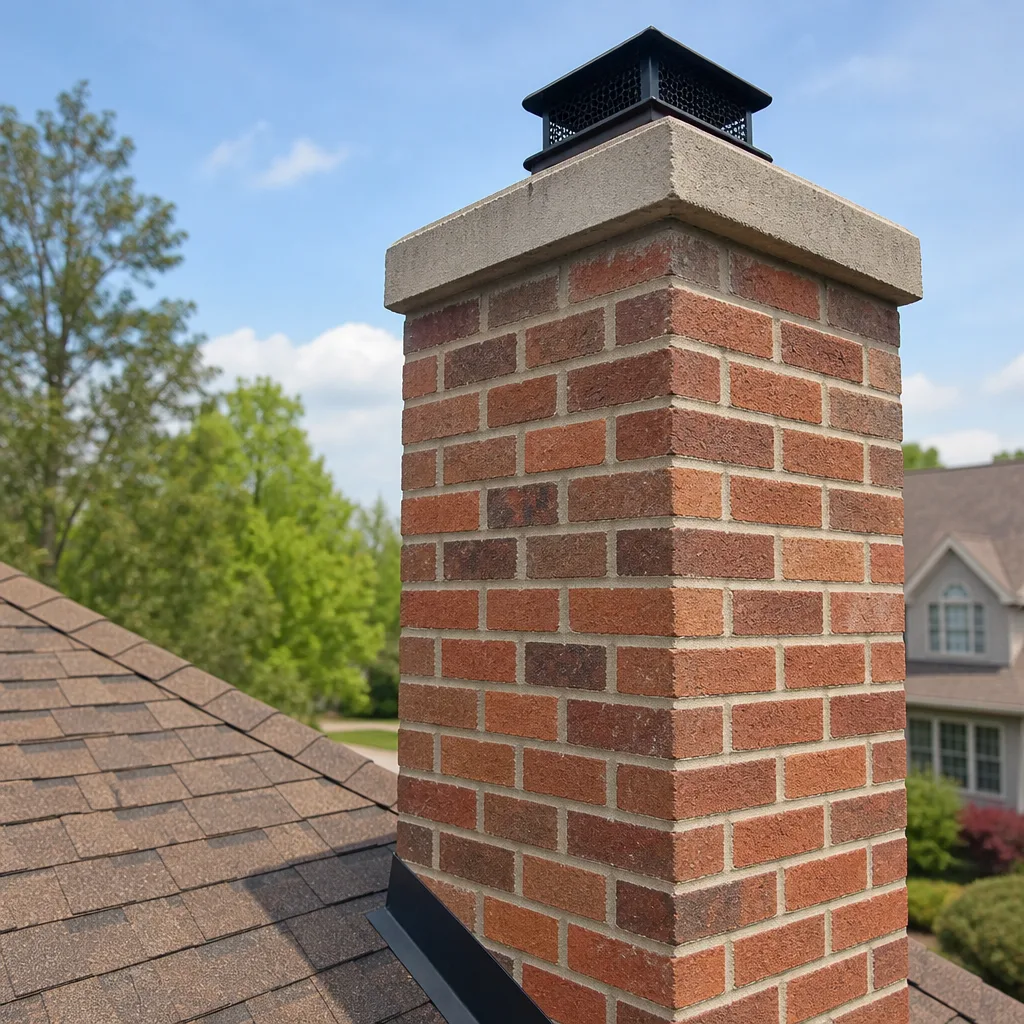 Masonry repair
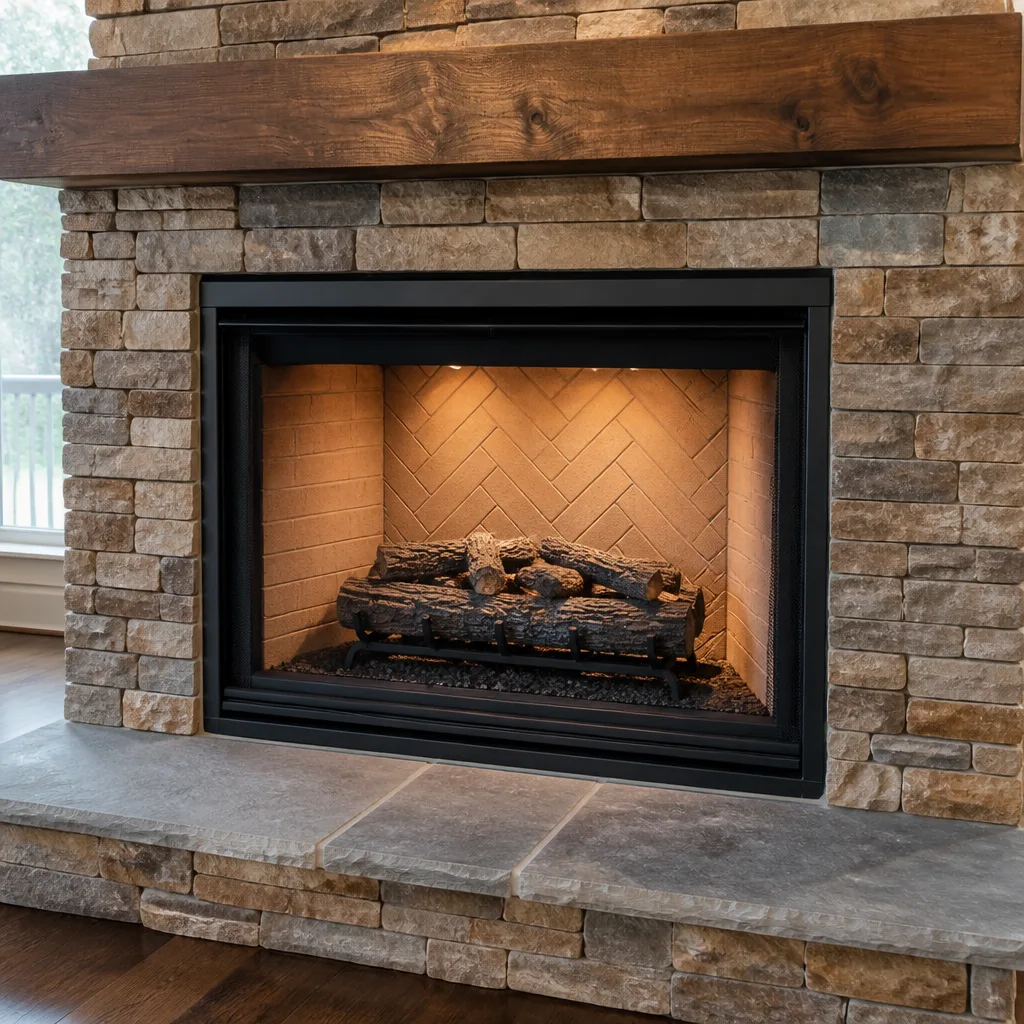 Gas fireplace service
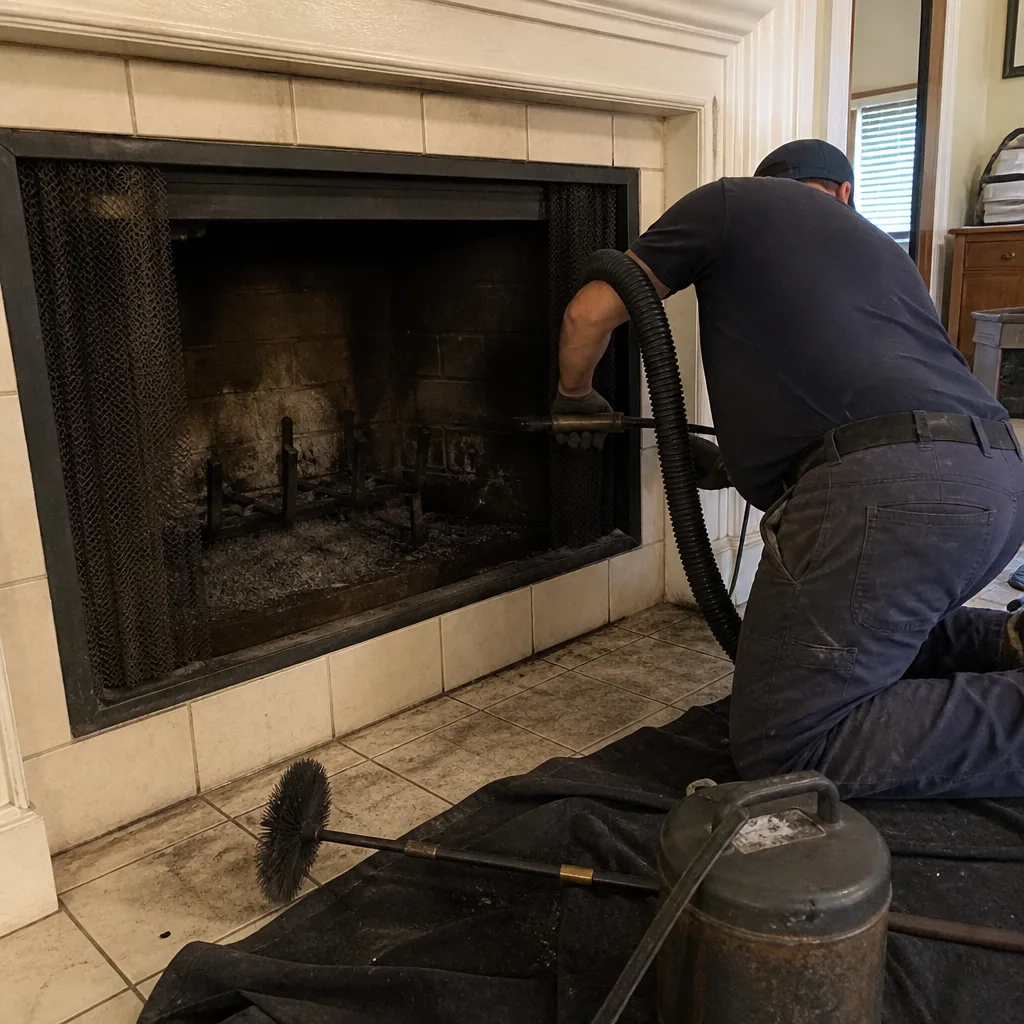
Level 1 sweep and inspection to the NFPA 211 annual standard - flue, crown, cap, and flashing checked and photographed
Chimney sweep logs do not sweep chimneys. They loosen some creosote - which then falls where a brush and vacuum still have to collect it.
Seasonal Chimney Cleaning Care for Elk Grove: Year-Round Homeowner’s Guide
In Elk Grove, you can have a no-burn restriction lifted in November and see it return by January. That compressed window means more burns per day, faster creosote buildup, and a cleaning schedule that bears no resemblance to what a chimney guide written for New England recommends. This guide explains what your chimney actually goes through across a Sacramento Valley calendar year, month by month, and when to act so you’re not scrambling during the first cold snap. If you own a wood-burning fireplace, gas insert, or older masonry chimney in Elk Grove, you’ll finish this with a clear seasonal plan that fits how we actually live here.
Styles & brands we work with
- Sweep & inspection
- Caps & crowns
- Flue relining
- Masonry repair
- Gas fireplace service
Quick Answer
Seasonal chimney cleaning in Elk Grove should follow the Sacramento Valley burn calendar, not a generic four-season model. The most important sweep of the year happens in September or early October, before SMAQMD burn restrictions lift and demand spikes. A second inspection is worth scheduling in late spring to check for summer heat damage and winter moisture intrusion. Most Elk Grove homes that burn wood regularly need one full sweep per cord of wood burned, or roughly once per burn season.
Table of Contents
- Why Elk Grove’s Climate Breaks the Standard Chimney Calendar
- Month-by-Month Chimney Care for Elk Grove Homeowners
- How Summer Heat Damages Chimneys in the Sacramento Valley
- Why September Is the Smartest Month to Schedule Your Sweep
- Storing and Seasoning Firewood in Elk Grove’s Dry Climate
- The Spring Rain Chimney Checklist: What to Inspect After Winter
- Creosote in Elk Grove: What It Is and Why the Burn Window Makes It Worse
- Common Mistakes to Avoid
- When to Call a Professional
- Frequently Asked Questions
- The Bottom Line
Why Elk Grove’s Climate Breaks the Standard Chimney Calendar
Most chimney maintenance guides assume a climate with four roughly equal seasons, consistent winter burning, and a long off-season when the fireplace sits idle. Elk Grove doesn’t work that way. We get a short, intense burn window typically running from mid-November through late February, interrupted by SMAQMD no-burn days that can pause wood burning for days or even weeks at a stretch. Then comes a long, hot, dry summer where your chimney bakes in 140°F+ attic conditions. The standard “sweep once in fall, inspect once in spring” advice isn’t wrong, but it misses what actually matters here: timing your service around burn restrictions, summer heat stress, and the compressed period when your flue sees the most use.
What we’ve seen in Elk Grove homes across neighborhoods like Laguna, Sheldon, and East Franklin is a recurring pattern. Chimneys that were swept in October are fine until late December, but by February they’re showing accelerated creosote accumulation because the burn window compressed every available burn into a short stretch. Chimneys that skip the post-winter inspection go into summer already compromised, and the heat makes small cracks bigger. The seasonal rhythm here isn’t about snow melt or freezing pipes. It’s about heat, dryness, and a burn calendar controlled by air quality rules.
That means your maintenance schedule should be built around Elk Grove’s actual conditions: pre-season prep in September, mid-season awareness from November through February, a post-season check in March or April, and summer vigilance for heat-related deterioration. Everything in this guide follows that structure.
Month-by-Month Chimney Care for Elk Grove Homeowners
Here is a practical calendar based on how Elk Grove chimneys actually perform across the year. Each month includes what to do and what to skip. This isn’t theoretical advice; it’s built around burn restrictions, local weather patterns, and the service patterns we see year after year.
January: Peak Burn Month
January is typically the heaviest burning month in Elk Grove, but it’s also when SMAQMD Stage 2 no-burn restrictions are most common. Cold, still mornings trap particulate matter, and wood burning gets prohibited. That means your fireplace may sit cold for days, then work hard when the restriction lifts. Creosote builds fastest during these irregular burn cycles because fires are started and stopped frequently, producing cooler, smokier burns that deposit more residue. Check your chimney cap visually if you can see it from the ground. If you notice smoke backing into the room or a woodier smell than usual near the fireplace, stop burning and schedule an inspection. This is also the month we get calls from homeowners who discovered mid-season that their flue wasn’t as clean as they assumed. Mid-season sweeps are possible, but demand is high.
February: The Creosote Peak
By February, chimneys that started the season clean have often accumulated enough creosote to warrant attention, especially if the homeowner burns softwoods or less-than-fully-seasoned wood. If January was heavy and February continues cold, the total creosote load can approach a level that would concern any certified sweep. Watch for reduced draft, visible black flakes falling into the firebox, or a sticky tar-like coating on the damper. These are signs the flue needs a sweep before you continue burning. February is also when we see the most chimney fire calls in Elk Grove. A chimney fire sounds like a freight train or loud crackling from the flue. If you hear that, close the damper if you can do so safely, evacuate, and call 911 first.
March: Post-Season Assessment
Burning typically winds down in March, though Elk Grove evenings can stay cool through the month. This is the right time to assess how the season treated your chimney. Note any new odors inside the house on humid or rainy days, any spalling brick or mortar chips on the hearth or outside, and whether the damper still opens and closes smoothly. Even if you don’t schedule a sweep in March, this assessment helps you decide whether April or May needs a professional visit. March rain is common in Elk Grove, and a chimney that took on water through a failed crown or missing cap will show signs: damp smells, staining around the fireplace, or efflorescence on exterior brick. For a full post-winter inspection and cleaning, our Chimney Sweep in Elk Grove service covers both firebox and flue condition.
April: The Inspection Window
April is one of the best months for a thorough post-season inspection in Elk Grove. The burning is done, the weather is mild, and scheduling is wide open. This inspection should cover the flue liner, smoke chamber, damper, chimney crown, cap, flashing, and exterior masonry. If you burned more than one cord of wood during the season, an April sweep removes the acidic creosote that sits and corrodes metal and masonry through the humid spring months. Creosote is hygroscopic; it absorbs moisture from the air, which makes it more corrosive the longer it sits. An April sweep means your chimney goes into summer clean, which prevents months of acidic residue working against your flue liner. This is also when any repair work identified during the sweep should be scheduled, before summer heat makes rooftop work more difficult and before fall demand resurfaces.
May: Repair Season Begins
May in Elk Grove brings warm, dry conditions ideal for chimney repairs. Mortar, sealants, and ceramic materials cure properly when temperatures are between 50°F and 85°F, and May typically sits right in that range. If your April inspection found cracked mortar joints, a damaged crown, or a deteriorating flue liner, May is the month to get it fixed. Waiting until September means competing with every other homeowner who remembered their chimney exists only when the weather turned. Summer heat accelerates damage to already-compromised masonry, so repairs made in May prevent a small crack from becoming a structural issue by August. This is where our Chimney Repair in Elk Grove work comes in, using contractor-grade materials from brands like DuraFlex and HeatShield that professional chimney contractors specify.
June: Heat Stress Begins
June is when Sacramento Valley heat arrives in force. Attic temperatures regularly exceed 140°F, and the chimney, which runs through that attic space, expands and contracts daily. Masonry chimneys absorb heat all day and release it at night, creating thermal cycling that stresses mortar joints and can open hairline cracks in the crown. For chimneys that were already compromised, June is when those problems become visible. Check your exterior brick for new cracks, especially in south-facing and west-facing walls that get the most direct sun. If you have a metal flue liner, listen for creaking or popping sounds during the hottest part of the day; this is normal thermal expansion, but excessive noise can indicate a liner that wasn’t installed with proper allowance for movement.
July: The Baked Chimney
July is the hottest month of the Elk Grove year, and your chimney absorbs more thermal energy than at any other time. Crowns made from standard concrete without proper expansion joints will show wear. Mortar that was already weak from winter moisture starts to crumble. For fireplaces that sit unused, July is when odors from built-up creosote inside the flue become noticeable inside the house. Heat travels down the flue into the cooler living space, carrying the smell of old soot and creosote with it. This is a strong argument for an April or May sweep: a clean flue doesn’t smell in July. If you notice a hot tar scent near your fireplace during a heat wave, that’s residual creosote baking in your flue. A sweep will fix it.
August: The Home Stretch
August is the last month of relative scheduling flexibility before Elk Grove’s fall rush. Many homeowners start thinking about firewood and chimney service in August, but most don’t call until October. That means August callers get better scheduling options. If you skipped your spring inspection or know your chimney has a problem, August is a smart time to act. It’s also a good month to start seasoning firewood you plan to burn in November. Wood cut and split in August, stored properly in Elk Grove’s dry climate, will be ready to burn by late November or early December. The dryer the wood, the less creosote your fires produce.
September: The Sweet Spot
September is, in our experience, the single best month to schedule your pre-season chimney sweep in Elk Grove. Demand hasn’t yet spiked, the weather makes rooftop work comfortable, and any problem found during the sweep still has weeks or months to be addressed before the burn window opens. We cover this in depth in the section below, but the short version is: September sweeps beat October sweeps by every measure that matters. The full chimney sweep service we provide includes camera inspection and documentation, so you know exactly what condition your flue is in before you light the first fire. More on our Chimney Repair Elk Grove home page.
October: The Traditional Recommendation Falls Short
Every generic chimney guide says “schedule your sweep in fall,” and that’s exactly why October becomes a bottleneck in Elk Grove. Hundreds of homeowners all realize simultaneously that burn season is approaching, and they all call for sweeps at once. October sweeps are fine if you can get on the schedule, but wait times stretch, and any repair discovered during the sweep may not get completed before the first cold night. If October is your September backup, you’re still ahead; the real problem is November callers who need both a sweep and a repair and find both take weeks.
November: Burn Season Opens
November is when SMAQMD burn restrictions typically start allowing wood burning again after the fall shoulder season, though check current rules before lighting your first fire. Your first fire of the season should burn hot and bright; avoid a small, smoldering fire that produces maximum creosote and minimum heat. Also check that your carbon monoxide detector is functioning before you burn. A chimney that sat all summer with a cracked liner or a nest blockage can push carbon monoxide into the house instead of up the flue. This is a safety check that takes seconds and can save your life.
December: The Marathon Month
December is a marathon month for Elk Grove chimneys. Fires burn morning and night, often back to back on weekends, and the flue gets little rest. If you started the season with a clean chimney, you’re likely fine through December. But pay attention to how your fireplace behaves. A properly drafting fire sends smoke up the flue cleanly. If smoke curls into the room when you open the door, or the fire struggles to establish, something is wrong. Don’t ignore it. Mid-season sweeps are available, and waiting until the problem worsens risks a chimney fire during the season when your home depends on the fireplace most.
How Summer Heat Damages Chimneys in the Sacramento Valley
The Sacramento Valley summer is a chimney’s quiet season, but it’s not a kind one. Attic temperatures in Elk Grove regularly exceed 140°F from June through early September. That heat penetrates the chimney structure from the attic space down, while the exterior masonry absorbs direct sunlight at 100°F+ ambient temperatures. The result is thermal expansion during the day and contraction overnight, a cycle that repeats every day for roughly 90 consecutive days. That’s 90 cycles of stress on mortar joints, crowns, and flashing.
We see the results every fall: crowns with new cracks, flashing that has separated from the roof line, and mortar joints that have begun to spall. These problems don’t happen in a single heat wave. They happen over years of unaddressed thermal cycling. A crown with a small crack in May can grow into a significant water intrusion path by September, simply because the concrete expands in the heat and the crack widens.
The impact varies by chimney type:
- Masonry chimneys with clay tile liners: The outer brick expands faster than the clay tile inside, stressing the mortar bed between them. Over multiple summer cycles, this can crack the clay tiles, creating gaps in the flue that let heat and gases escape into the chimney structure.
- Metal flue liners: Stainless steel expands and contracts at a different rate than the surrounding masonry chase. Liners that were installed without proper expansion allowance or that have corroded from years of creosote exposure can warp or separate at seams during peak summer heat.
- Pre-fabricated chimneys: The metal chimney pipe and the chase surrounding it both expand, but at different rates. The chase top and cap assembly takes the most stress, and loose caps are a common summer finding.
- Chimney crowns: Standard concrete crowns without sufficient thickness or expansion joints crack under repeated thermal stress. A poured crown 2 to 3 inches thick with proper reinforcement holds up; a thin mortar wash crown will crack, often within the first few summers.
The practical takeaway: after your first full summer in an Elk Grove home with a masonry chimney, schedule an inspection. Catching heat-related cracks early means a repair measured in hundreds of dollars rather than a rebuild measured in thousands. For liners that have already deteriorated, HeatShield ceramic resurfacing can restore the flue interior without a full rebuild, and for chimneys that have failed inspection entirely, DuraFlex liner systems provide a full relining option. Both are repair tiers that go beyond what a sweep-only company can offer.
Why September Is the Smartest Month to Schedule Your Sweep
Every fall, Elk Grove homeowners ask the same question: when should I schedule my chimney sweep? The answer that outperforms every alternative is September. Here’s why.
- You’re ahead of demand. October is the traditional “fall sweep” month, and the entire Sacramento region calls at once. When you call in September, scheduling is flexible, you can pick a time that works, and the technician isn’t rushing from one job to the next.
- Any repair gets done before burn season. A September sweep that finds a cracked liner, a failing damper, or a broken cap still leaves October and early November for repairs. An October sweep that finds the same problems means you may face a choice between burning unsafely or waiting weeks while a repair gets scheduled.
- Creosote from last season has been sitting for months. The creosote in your flue from last winter has had spring and summer to absorb moisture and corrode your liner. Removing it in September stops that process before another season of burning adds a fresh layer on top.
- Dryer vent cleaning can happen the same day. Here’s a benefit of working with a company that handles both chimney and dryer vent services: you can schedule both on the same visit. September is a natural time to clean the dryer vent before the holiday laundry season begins. Our Dryer Vent Cleaning in Elk Grove service covers one of the top residential fire causes, and handling both vents in one call means one visit, one scheduling conversation, and two major safety items off your list.
- The weather is cooperative. September in Elk Grove is warm but not brutal, with rooftop conditions that make thorough work comfortable. The technician can spend the time needed for a complete camera inspection without fighting extreme heat or racing an afternoon wind pattern.
If September has passed and you’re reading this in October or later, don’t wait. Schedule now anyway. The second-best time is whenever you’re thinking about it, but the chimney that goes into burn season dirty is the one most likely to cause problems by February.
Storing and Seasoning Firewood in Elk Grove’s Dry Climate
Firewood quality drives creosote production, and Elk Grove’s dry climate actually gives you an advantage over homeowners in more humid regions. Wood seasons faster here because the air pulls moisture out efficiently. But the same dryness creates its own storage pitfalls, and Elk Grove’s summer conditions affect how you should stack and cover your wood.
What Seasoning Means
Seasoned firewood has a moisture content below 20%. Burning wood with higher moisture content means the fire spends its energy boiling off water instead of producing heat. The result is a cooler, smokier fire that deposits creosote on your flue walls faster. Fresh-cut oak can have a moisture content of 60% or higher, and even split wood takes months to dry properly.
How Long Wood Takes to Season in Elk Grove
In Elk Grove’s summer climate, oak and almond wood split to fireplace size and stacked properly will drop below 20% moisture in about 4 to 6 months. That means wood cut and split in May is ready to burn by October or November. Pine and other softwoods season faster, sometimes in 3 to 4 months, but they produce more resinous creosote even when dry. Hardwoods like oak burn cleaner and longer, which is why they’re worth the extra seasoning time.
Storage Rules for Elk Grove
- Stack off the ground. Use pallets, pressure-treated lumber, or a commercial firewood rack. Ground contact wicks moisture up into the wood even in dry climates.
- Keep the top covered, sides open. A tarp over the top of the stack, with the sides exposed, lets Elk Grove’s dry air circulate through the wood while protecting it from rain. Don’t wrap the stack completely; that traps moisture and slows seasoning.
- Store away from the house. Firewood stacks against the house invite termites, carpenter ants, and rodents. Keep the pile at least 20 feet from your foundation and off decks when possible.
- Don’t store wood in the garage in summer. Elk Grove garages get hot enough to actually drive moisture out of wood too quickly on the surface, causing surface checking without core drying. Outdoor stacks in shade work better.
- Bring wood inside only when needed. A day’s worth of wood indoors at a time is enough. Wood stored indoors for extended periods can dry too much, leading to fast, hot burns that waste heat up the flue.
What to Burn and What to Avoid
The best firewood in Elk Grove is well-seasoned oak, almond, or other local hardwoods. Avoid treated lumber, painted wood, plywood, or any wood with visible mold or fungus. Burning treated wood releases chemicals that corrode flue liners and produce toxic smoke. Pallets are acceptable only if they carry the HT (heat treated) stamp, which means no chemical treatments were used. And never burn trash, cardboard, or wrapping paper; these produce floating embers that can ignite creosote in the flue.
The Spring Rain Chimney Checklist: What to Inspect After Winter
Elk Grove’s rainy season is relatively short, but the rain that does fall finds any weakness in a chimney’s water defenses. A chimney that went through winter with a cracked crown, missing cap, or failed flashing will show the damage in spring. Here’s your post-rain inspection checklist.
- Check for efflorescence. This is the white, powdery deposit that appears on exterior brick after water moves through masonry and evaporates, leaving salts behind. Efflorescence on the chimney exterior is a sign water is entering the masonry and working its way out. It’s cosmetic in itself but points to a structural issue.
- Look for spalling brick. Spalling means the brick faces have started to flake or pop off. This happens when water inside the brick expands during temperature changes. After winter, spalled brick faces on the chimney means water got in and froze or rapidly expanded during cold nights.
- Inspect the damper from below. Shine a flashlight up into the firebox and look at the damper. Rust on the damper or dripping water marks around it mean water is coming down the flue. This traces back to a missing or damaged cap, or a crown that needs resealing.
- Check the ceiling around the chimney chase. For pre-fabricated or framed chimneys, look for water staining on the ceiling or walls around the chimney structure. Roof leaks often appear first at the chase or flashing.
- Smell the firebox. A strong musty or smoky odor in the firebox after rain suggests water has mixed with creosote inside the flue. That combination creates a mild acidic solution that corrodes metal dampers and liners.
If any of these checks turn up a problem, schedule an inspection. Water damage to chimneys compounds quickly in Elk Grove because the summer heat bakes moisture deeper into the masonry, expanding whatever cracks let the water in. A small fix in April prevents an expensive rebuild in August. For repair work, we use the same materials professional chimney contractors trust: Olympia Chimney caps and dampers, Copperfield flashing components, and Gelco sealants built for high-temperature chimney applications. Before scheduling, check Chimney Cleaning Permits, Codes & Inspections in CA: What You Need to Know to understand any requirements that may apply.
Creosote in Elk Grove: What It Is and Why the Burn Window Makes It Worse
Creosote is the dark, tar-like or flaky residue that condenses on the inside of your flue when smoke cools before it can exit the chimney. Every wood fire produces some creosote, but the amount depends on how hot the fire burns, how dry the wood is, and how well the chimney drafts. Understanding creosote matters because it’s the primary fuel for chimney fires, and Elk Grove’s burn patterns encourage its buildup.
The Three Stages of Creosote
- Stage 1 (flaky soot): Dry, flaky residue that brushes away easily with a standard sweep. This is the least dangerous form and the stage you want to catch it at.
- Stage 2 (crusty tar): Harder, crustier accumulation that requires more aggressive mechanical cleaning. It forms when fires burn at moderate temperatures with somewhat dry wood. Most Elk Grove chimneys at the end of a regular season contain Stage 2 creosote.
- Stage 3 (glazed tar): A shiny, hardened layer that can look like black glass. This forms during chimney fires or when creosote is repeatedly heated and cooled. Stage 3 creosote is extremely difficult to remove and can require chemical treatment or professional rotary cleaning equipment.
Why Elk Grove’s Burn Pattern Accelerates the Problem
The Sacramento Valley burn calendar creates ideal conditions for creosote accumulation. When SMAQMD restrictions prohibit burning, homeowners let their fireplaces go cold. When restrictions lift, they build fresh fires, often in a cold chimney. Cold starts mean smoky, inefficient fires for the first 20 to 30 minutes, and that’s exactly when creosote condenses most heavily. A fireplace that goes through a dozen cold starts in a season produces more creosote than the same number of burns in a chimney that stays warm throughout.
Add in wood that’s less than optimally seasoned because Elk Grove’s burn window is shorter than wood-buying season, and the recipe for Stage 2 and even Stage 3 creosote is there. The fix is the same whether you burn in Elk Grove or anywhere else: burn the driest wood you can, burn hot fires rather than smoldering ones, and have the flue swept before creosote reaches dangerous thickness. A good rule of thumb: the National Fire Protection Association recommends a sweep when creosote reaches 1/8 inch thick. By the time you can scrape a visible layer off the flue wall with a poker, you’re overdue.
Common Mistakes to Avoid
- Burning unseasoned wood because the burn window is short. When restrictions are tight and the weather is cold, there’s pressure to burn whatever wood is available. Unseasoned wood produces more creosote per fire than any other factor you control. Buy wood in spring or summer so it’s ready when you need it.
- Skipping the post-season inspection because “the fireplace worked fine.” Most chimney problems don’t announce themselves during normal use. The crack that lets water in, the liner that’s deteriorating from acidic creosote, the cap that came loose in a windstorm; these show up as expensive repairs later when they could have been caught cheap.
- Using a chimney sweep service that doesn’t do camera inspections. A visual inspection from the top and bottom of the chimney can miss liner damage, hidden blockages, or early-stage deterioration. Camera documentation shows you what’s actually inside your flue, and you should never accept a repair recommendation without seeing the evidence yourself.
- Ignoring the dryer vent because it’s not a fireplace issue. In Elk Grove, the same household that uses a fireplace all winter also runs the dryer constantly. Lint-clogged dryer vents are a leading cause of residential fires, and the vent is a maintenance item like your chimney. Scheduling dryer vent cleaning alongside your fall sweep handles both fire risks in one visit.
- Painting or sealing exterior chimney brick without addressing water intrusion. Sealing the outside of a chimney that already has moisture inside traps the water and accelerates spalling. Water problems need to be solved at the source: the crown, the cap, the flashing, or the masonry joints.
- Waiting until November to call about a chimney that hasn’t been swept in years. If your chimney has accumulated years of creosote and then you call in November, you may be looking at a repair situation rather than a simple cleaning. Years of acidic creosote can degrade clay tile liners to the point where replacement or resurfacing is the only safe option.
- Assuming a gas fireplace never needs service. Gas fireplaces don’t produce creosote, but they do produce acidic condensate that corrodes venting components, and they can build up dust, pet hair, and debris in the vent system. Gas chimneys need annual inspections too, especially in Elk Grove where summer dust and dryness deposit particulates everywhere.
When to Call a Professional
Some chimney work is clearly DIY: stacking firewood, checking your carbon monoxide detector, visually inspecting the firebox from below. But any work that requires getting on the roof, opening the flue, or making judgments about structural condition belongs with a professional. Call a chimney contractor when you see efflorescence or spalling on exterior brick, when your damper won’t open or close properly, when you smell smoke or creosote inside the house on hot days, when animals have nested in the flue, or when you haven’t had the chimney inspected in more than two years. The same goes for any repair recommendation you’ve received from another company: if someone tells you your liner needs replacement, get a second opinion from a specialist who can show you camera footage. Chimney Repair Elk Grove offers free estimates in Elk Grove; call (833) 620-0280 to schedule your inspection.
Frequently Asked Questions
Most Elk Grove homes that burn wood regularly need one chimney sweep per burn season, typically scheduled in September or October before the burn window opens. The National Fire Protection Association recommends cleaning whenever creosote reaches 1/8 inch in thickness, and most active burners reach that threshold within a single season. If you burn more than two cords of wood per winter, or if you burn softwoods, you may need a mid-season sweep in January or February. Call (833) 620-0280 to discuss your burning habits and get a recommendation based on your actual usage.
Yes, a proper chimney inspection checks the crown, cap, flashing, masonry, and interior flue for signs of water intrusion. In Elk Grove, where summer heat stress and winter rain combine to create cracking, water damage is one of the most common problems we find. The inspection should include camera documentation of the flue interior so you can see any water staining or liner deterioration for yourself.
SMAQMD’s no-burn days don’t change how often you need your chimney swept, but they do change the pattern of creosote accumulation. Cold starts after restriction periods produce more creosote per fire, and the compressed burn window concentrates more burns into fewer weeks. The practical impact is that Elk Grove chimneys often need cleaning as much based on how many restriction interruptions occurred as on total wood burned.
DIY chimney sweeping kits are available at hardware stores, but they can’t match a professional sweep for one critical reason: you can’t see what you’re doing. A brush on a rod removes some surface creosote, but it can’t tell you whether the liner is cracked, whether creosote remains in the smoke chamber, or whether the flue is safe to use. Professional sweeping includes inspection and documentation, and given that a chimney fire can destroy your home, the professional route is worth the cost. That said, you can extend the time between professional cleanings by burning only dry hardwood and maintaining hot fires rather than smoldering ones.
Chimney repair pricing in Elk Grove doesn’t typically change by season, but scheduling availability does. The slowest months for chimney contractors are April through August, which means repairs scheduled in spring and early summer often get more scheduling flexibility and sometimes faster turnaround. The most expensive time to need a repair is November through January, not because prices rise, but because you’re competing with every other homeowner for a limited number of appointment slots. Schedule repairs in May or June when possible.
A bad smell from your fireplace during hot weather is almost always residual creosote and soot inside the flue, heated by the summer air and carried down into your living space. A clean flue doesn’t smell because there’s nothing inside it to heat. The fix is straightforward: schedule a sweep. Our chimney sweep service cleans the full flue and smoke chamber, removing the creosote that causes summer odor. Call (833) 620-0280 for a free estimate.
The Bottom Line
Elk Grove’s chimney care calendar runs on the Sacramento Valley’s actual rhythm: a short, intense burn season bookended by SMAQMD restrictions, a long hot summer that stresses masonry and metal alike, and a rainy spring that finds every crack the heat created. The homeowners who avoid chimney fires, carbon monoxide problems, and expensive rebuilds are the ones who schedule their sweep in September, inspect after winter, and repair in May. They burn dry hardwood. They look at their chimney occasionally, even when the fireplace is cold. And they work with a specialist who can show them what’s actually inside the flue, not just sweep it and move on. That’s the entire guide in five sentences. The rest is details.
Written by the team at Chimney Repair Elk Grove, serving Elk Grove since 2012.
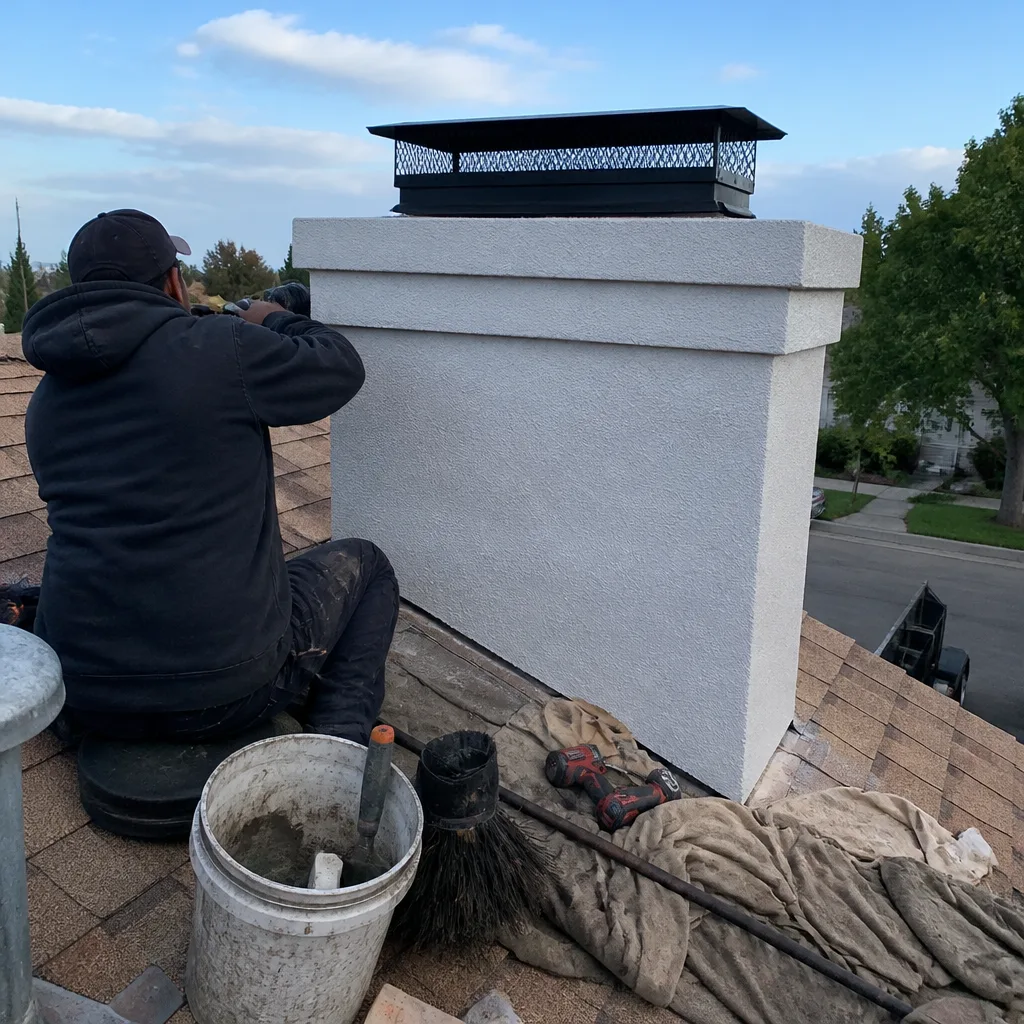
See the difference
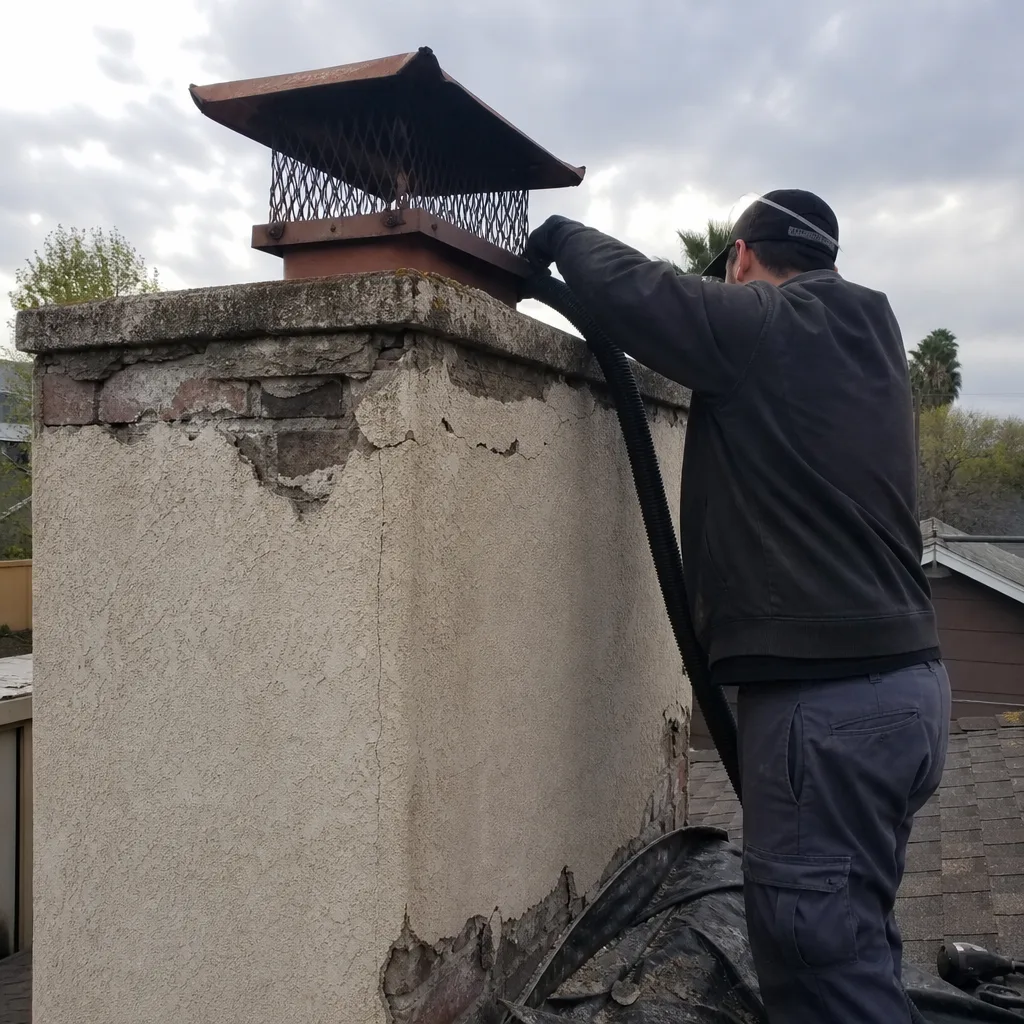 Before
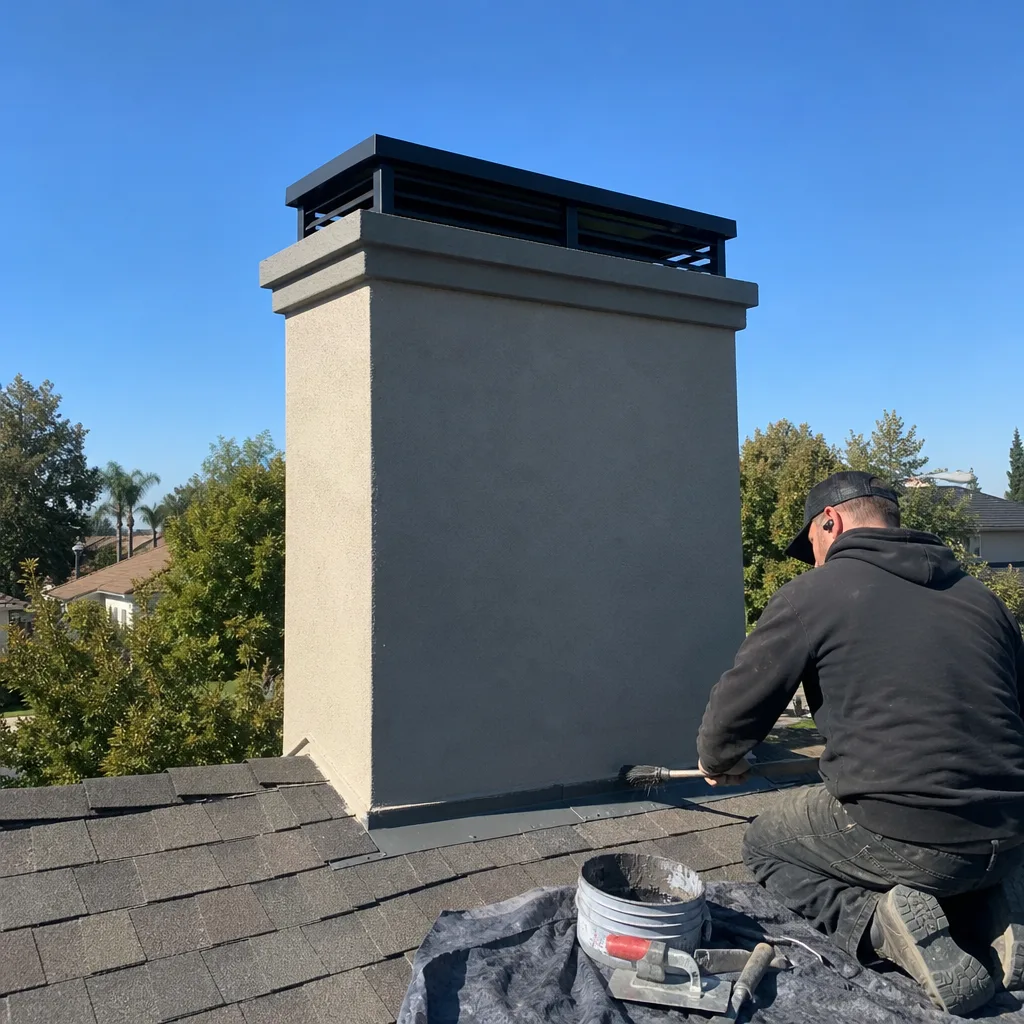 After
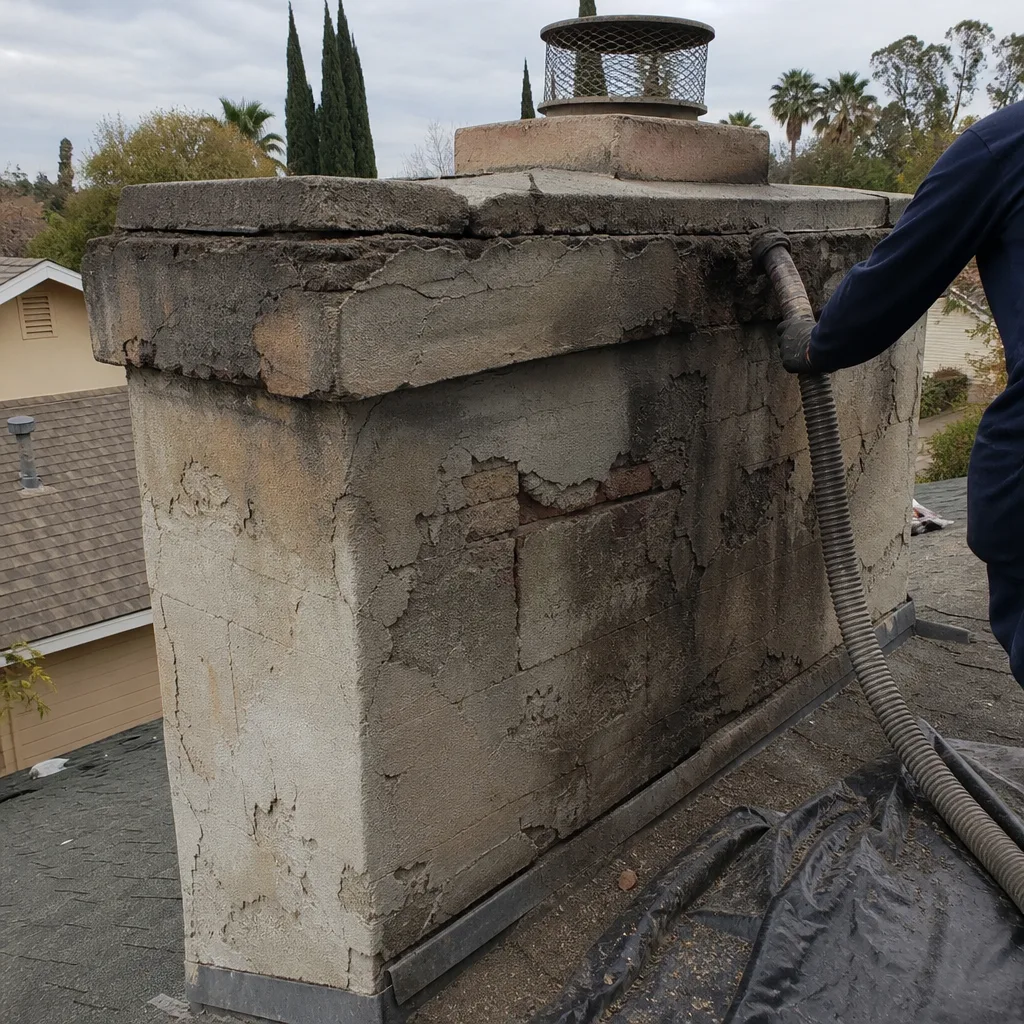 Before
 After
 Before
 After