
Last updated November 2, 2026
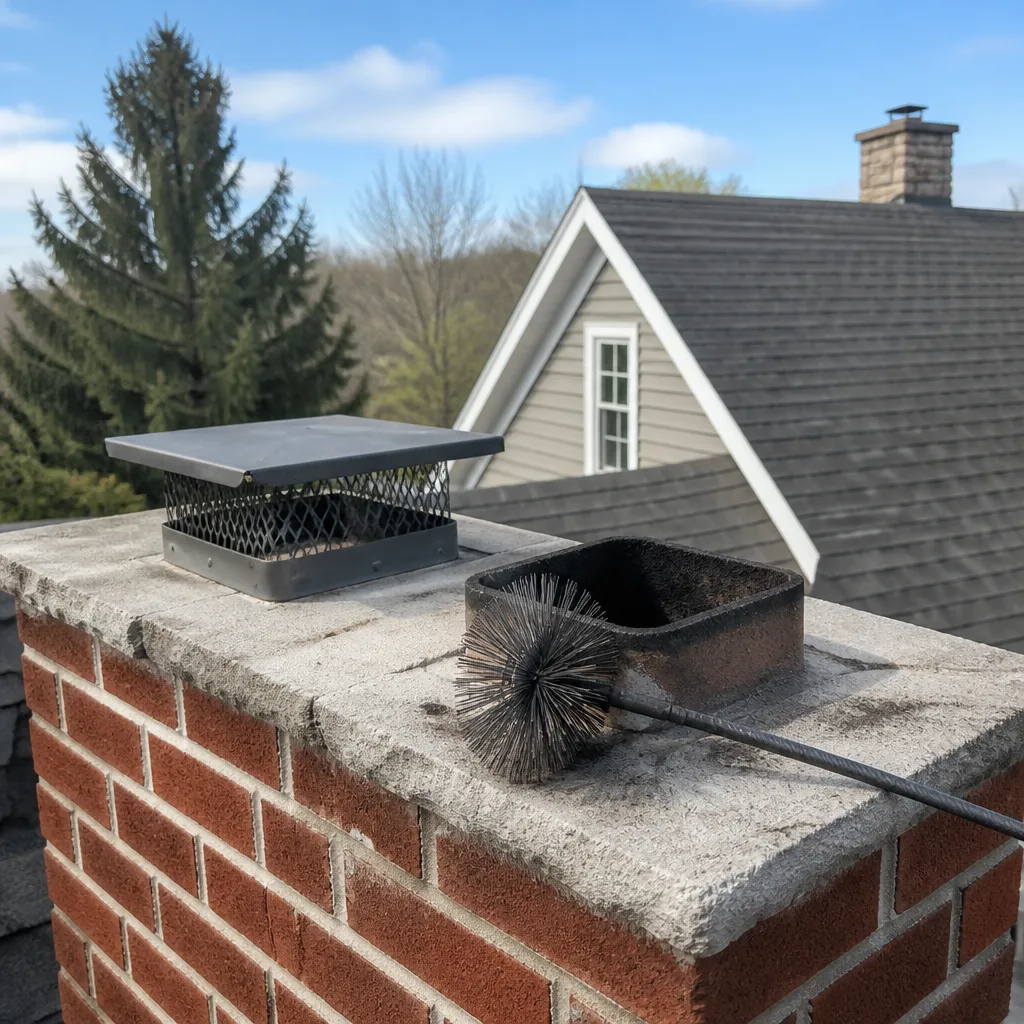 Sweep & inspection
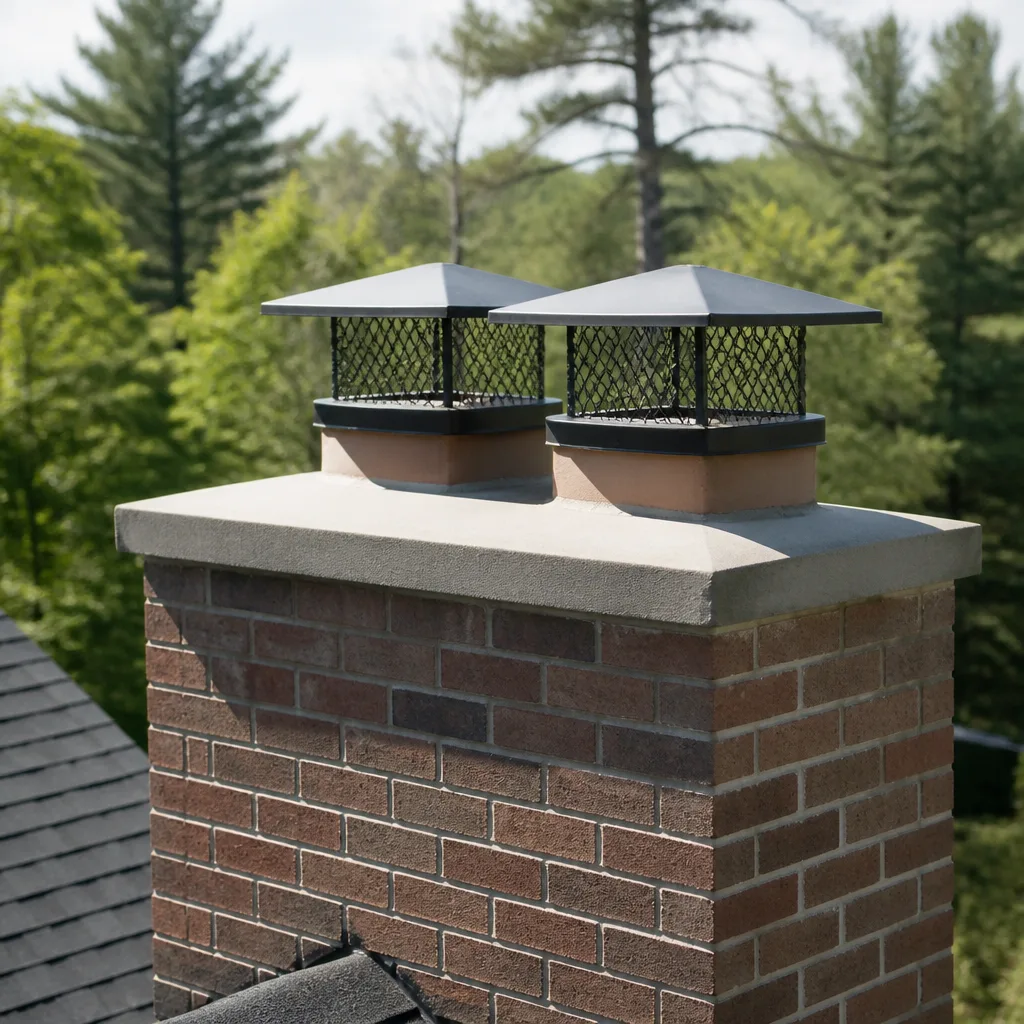 Caps & crowns
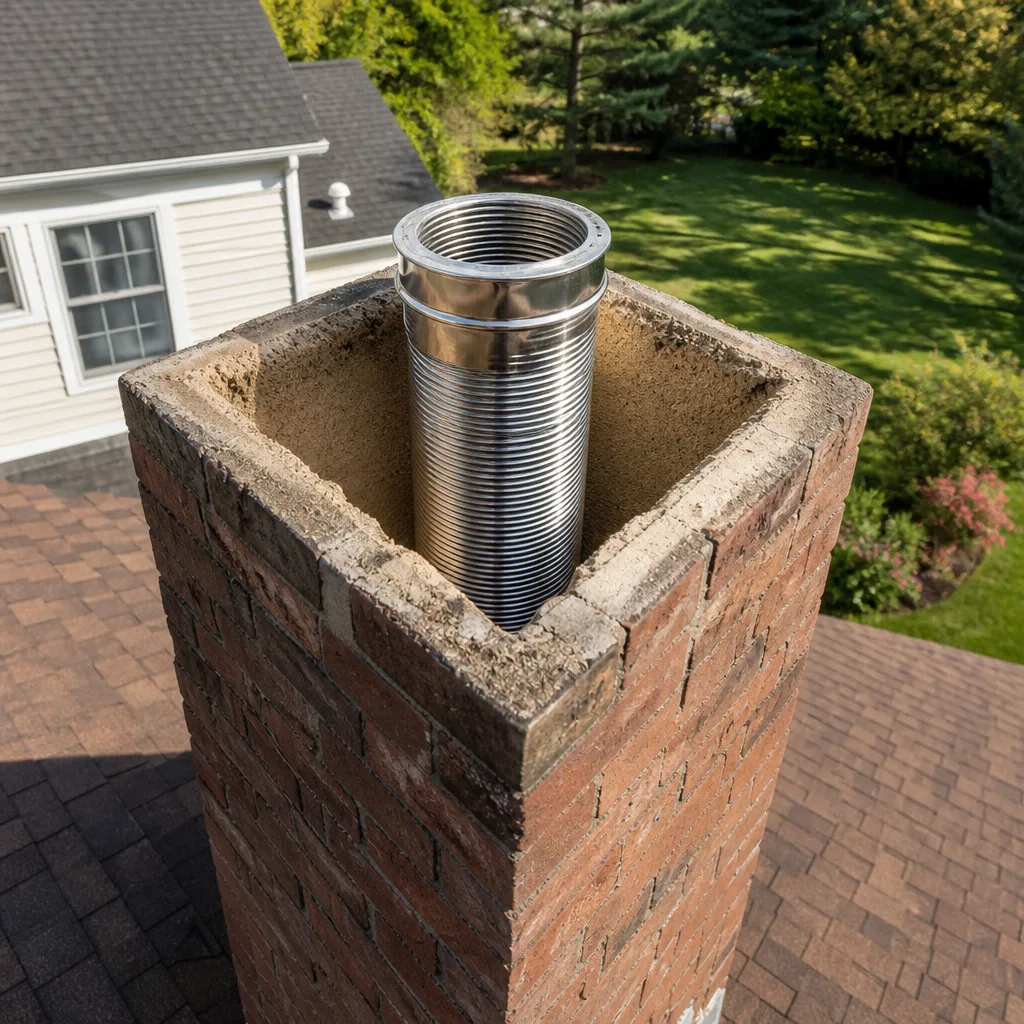 Flue relining
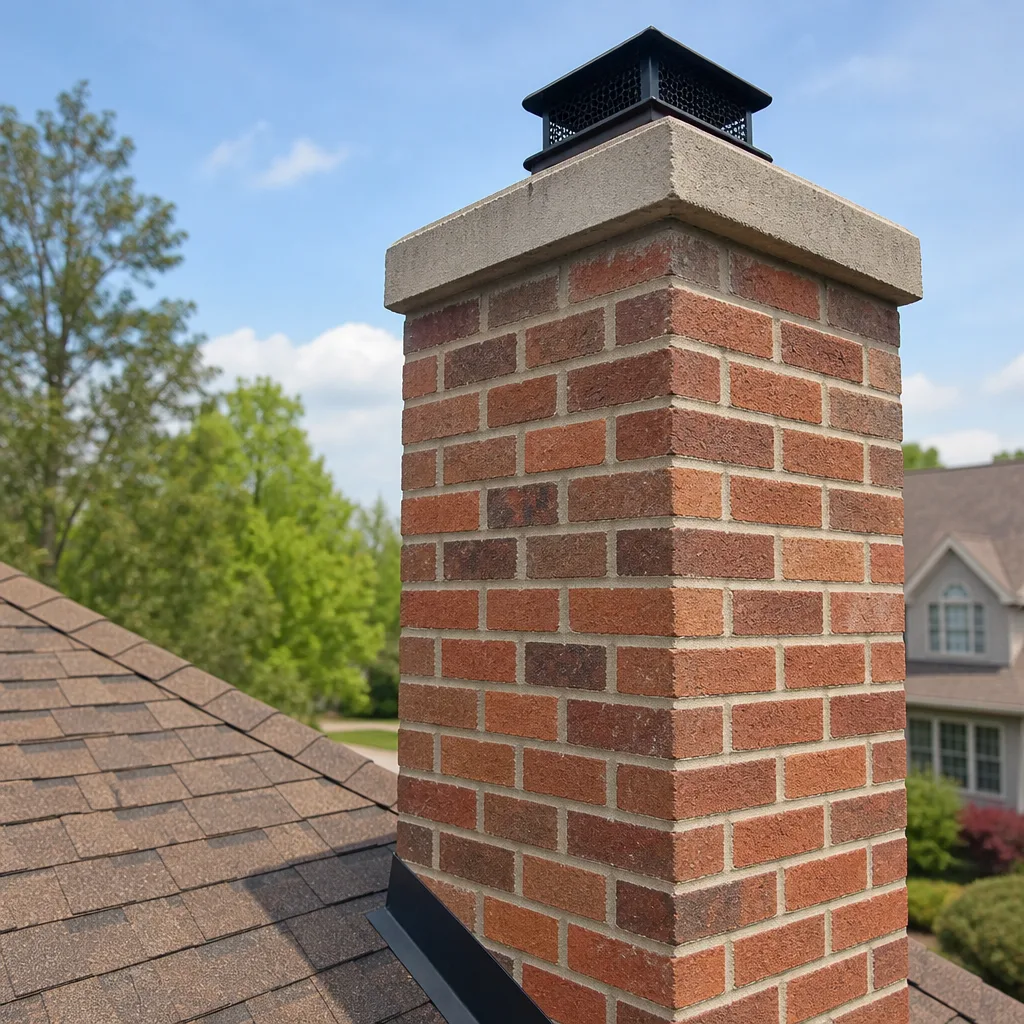 Masonry repair
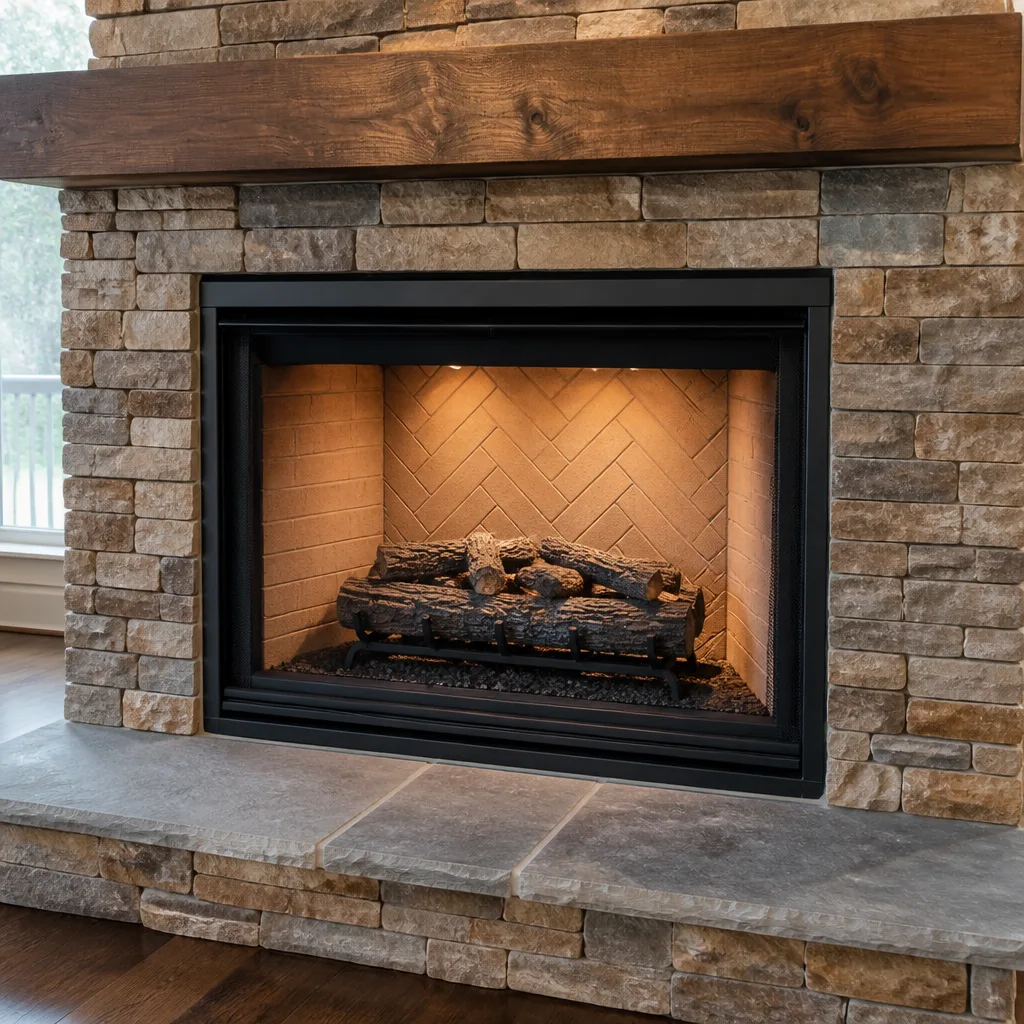 Gas fireplace service
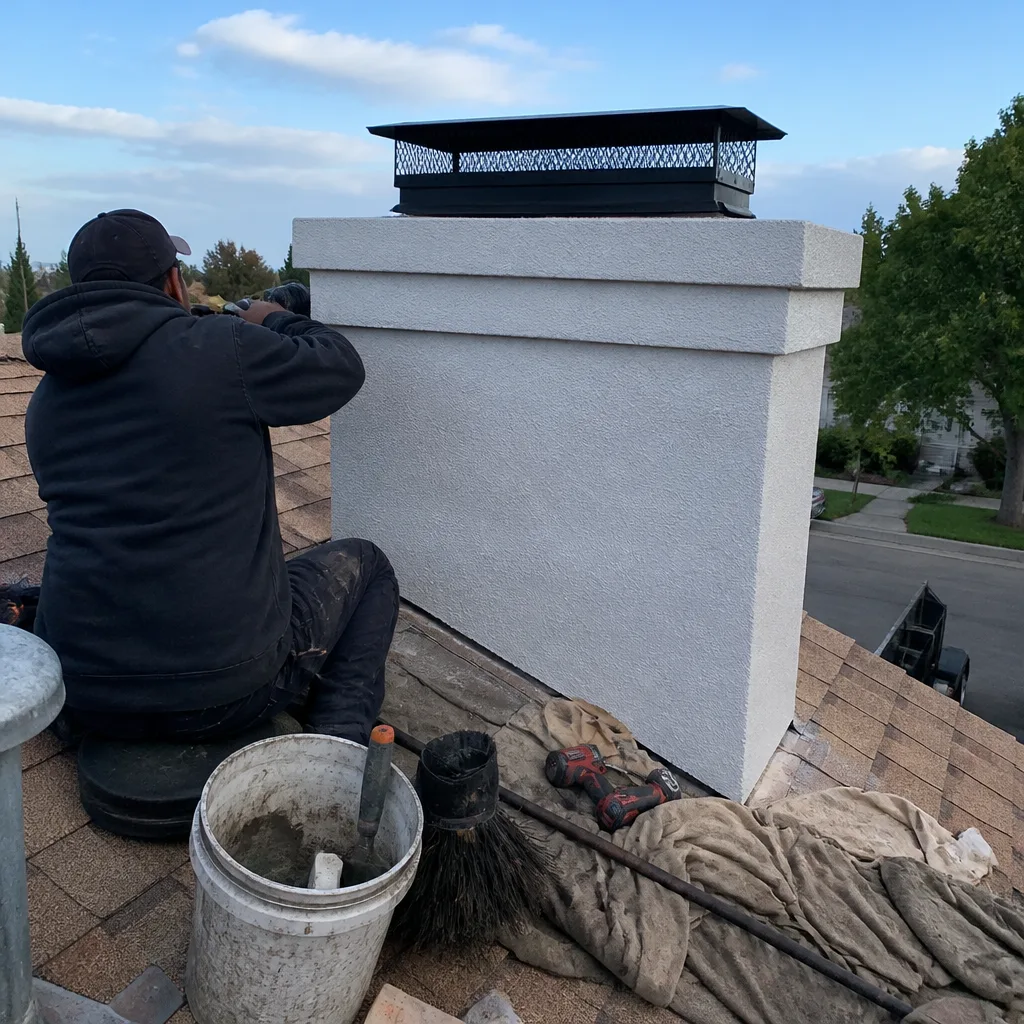
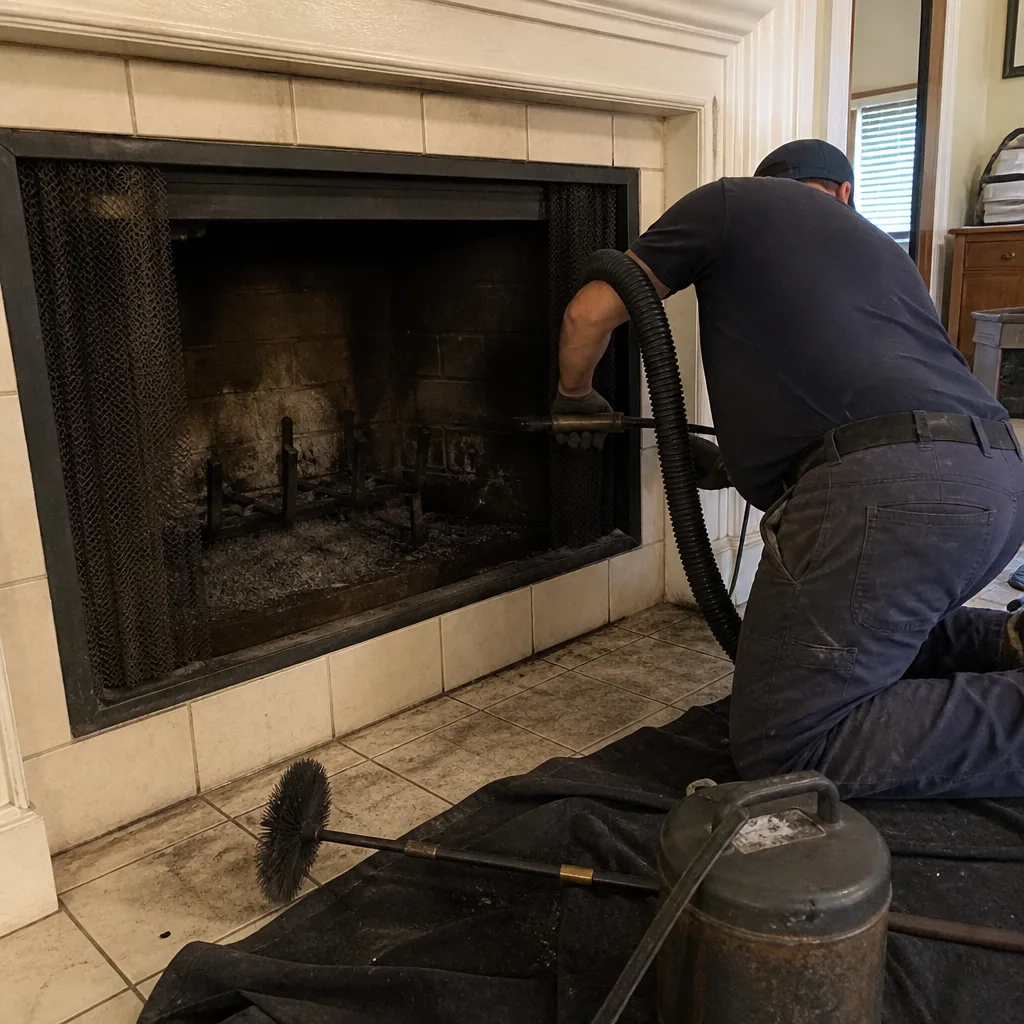
Level 1 sweep and inspection to the NFPA 211 annual standard - flue, crown, cap, and flashing checked and photographed
Chimney sweep logs do not sweep chimneys. They loosen some creosote - which then falls where a brush and vacuum still have to collect it.
Chimney Cleaning Permits, Codes & Inspections in CA: What You Need to Know
A chimney relining job completed without a permit can flag during escrow and kill a sale. We’ve watched it happen in Sacramento County more than once: a buyer’s inspector opens the chimney, finds a liner that was clearly replaced in the last decade, pulls county records, and finds no permit on file. The seller is then stuck negotiating a price cut or scrambling to legalize work that should have been permitted in the first place. It often starts with a routine cleaning that uncovered liner damage, and a contractor who quietly skipped the paperwork. This guide explains exactly where the permit line sits in California, what codes actually apply, how inspections work, and what Elk Grove homeowners should know before they write a check.
Styles & brands we work with
- Sweep & inspection
- Caps & crowns
- Flue relining
- Masonry repair
- Gas fireplace service
Quick Answer
Routine chimney sweeping and most basic chimney cleaning work does not require a permit anywhere in California. However, structural repairs, liner replacement, firebox rebuilds, and any work that modifies the chimney system typically triggers California Building Code Chapter 10 requirements and local permit obligations. If a cleaning uncovers damage requiring repair, that’s where permits enter the picture.
Table of Contents
- Where the Permit Line Actually Falls in California
- California Building Code Chapter 10: The Rules That Govern Chimneys
- Sacramento County & Elk Grove: What Local Jurisdictions Require
- CARB Burn Days and How They Intersect with Chimney Condition
- Level 2 Inspections: When California Law Implies You Need One
- How to Verify Your Contractor Pulled the Permit (And What to Do If They Didn’t)
- Discovering Previous Unpermitted Work: A Practical Roadmap
- Common Mistakes to Avoid
- When to Call a Professional
- Frequently Asked Questions
- The Bottom Line
Where the Permit Line Actually Falls in California
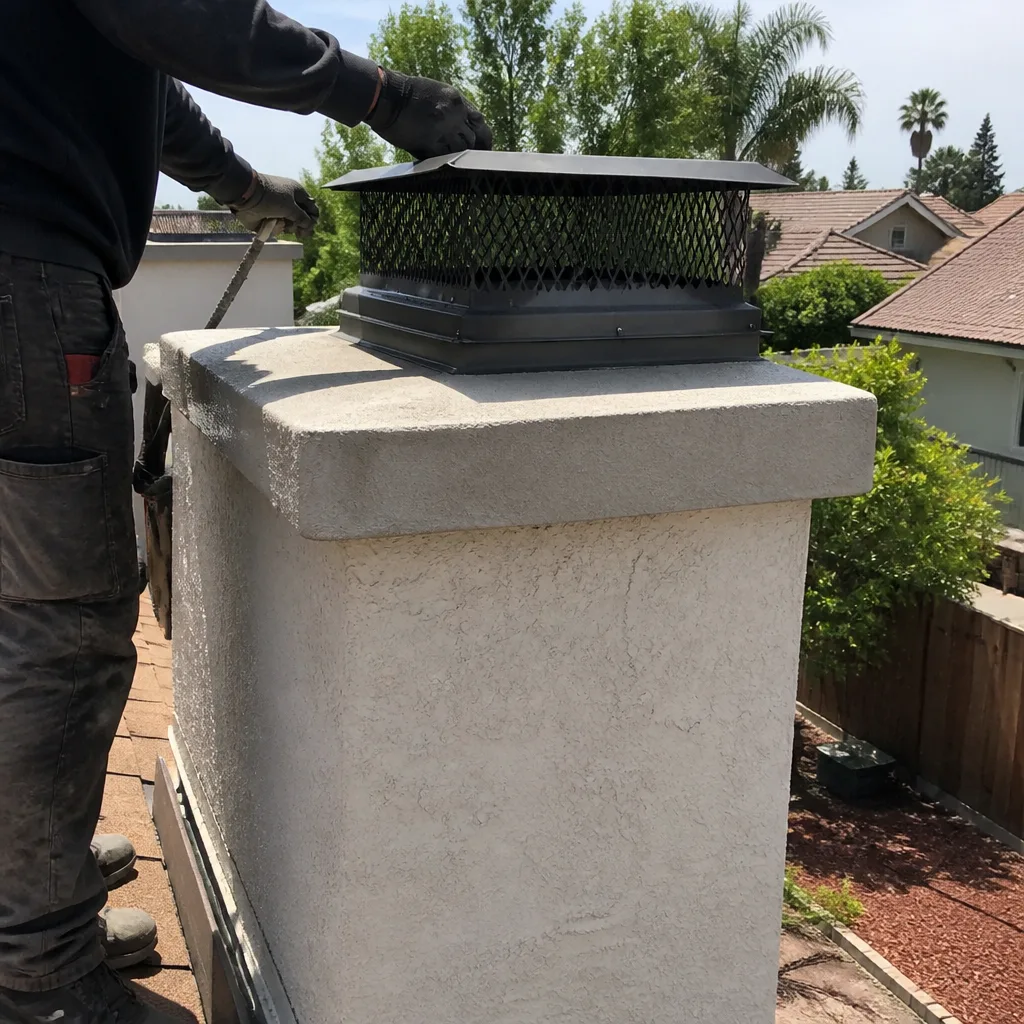
California draws a distinction between maintenance and modification. Sweeping out creosote, removing a bird nest, replacing a damper plate, installing a chimney cap, tightening flashing: these are maintenance tasks. No permit required. The state and local jurisdictions treat them as routine upkeep on an existing system, the same way they treat painting a wall or replacing a faucet washer.
The line moves once work alters or rebuilds structure. Relining a flue, rebuilding a firebox, replacing a chimney crown, repointing more than a small patch of mortar, changing venting configurations on a gas insert: these are modifications. They change how the chimney performs, and that’s exactly what building officials want to review. A permit creates an inspected record. Without one, you’re relying on the contractor’s word that the work meets code. Some contractors do excellent work and still skip the permit because it adds time and cost. If the work was done correctly, legalizing it later is annoying but not catastrophic. If it was done wrong, you own a chimney that could be unsafe and will be flagged at resale.
Here’s the practical breakdown that most contractors won’t give you:
- Never requires a permit: chimney sweep, Level 1 inspection, replacing a chimney cap, replacing a damper, minor flashing repair, sealing surface cracks, cleaning a dryer vent
- Sometimes requires a permit: repointing (depends on the extent and whether the jurisdiction considers it structural), repairing a chimney crown, replacing the top few feet of masonry
- Always requires a permit: flue liner replacement or relining, firebox rebuild, smoke chamber parging with structural products, changing from a wood-burning setup to a gas insert (in most jurisdictions), any demolition of chimney structure
In Elk Grove specifically, we see the same pattern repeat: a homeowner calls us for a Chimney Sweep in Elk Grove, we find cracked flue tiles with our camera, and the repair discussion begins. That’s the moment where knowing the permit rules matters, because the repair quote should include a permit line item or a clear explanation for why the work doesn’t need one. If a contractor waves off the permit question without a specific code reference, that’s a red flag.
California Building Code Chapter 10: The Rules That Govern Chimneys
Chapter 10 of the California Building Code is the legal backbone for every chimney system in the state. It covers chimneys and fireplaces, and it’s specific about what must be true for a system to be considered safe and compliant. Most homeowners never read it, which is fine, but you should know what it’s designed to do.
The chapter establishes clear requirements for flue sizing relative to the appliance it serves, clearance to combustibles, chimney height, termination caps, and liner materials. When your chimney was built, it was built to whatever version of the code was in effect at that time. That existing system is grandfathered. The code gets triggered the moment you alter that system. If you reline, the new liner must meet current Chapter 10 standards, not the standards from 1985.
What this means in practice:
- A liner replacement with stainless steel (like a DuraFlex system) must be properly sized for the appliance and installed to the manufacturer’s listed instructions, which reference Chapter 10 compliance
- The liner must maintain clearance to surrounding masonry and structure; when those clearances can’t be verified, the installer has to document how the system still meets the intent of the code
- Firebox rebuilds must use materials rated for fire exposure and built to dimensional requirements that prevent heat transfer to surrounding framing
- Gas appliance venting falls under the same chapter when routed through an existing masonry chimney, and conversions require inspection because a leftover clay tile flue sized for a wood fire is often wrong for a gas insert
For Elk Grove homeowners, one Chapter 10 detail matters more than most: many homes in this area were built during expansion periods in the late 1980s and 1990s, and a large portion of those chimneys have clay tile liners that are now at or past their expected service life. The clay tiles crack, the mortar joints between them erode, and the system no longer meets the performance standard Chapter 10 assumes. That’s not a code violation in itself (the home wasn’t built wrong), but it becomes a trigger when you ask what a repair should look like.
What we tell our customers in Elk Grove is simple: if the repair quote references Chapter 10 compliance or says the work must meet current code, that’s not a scare tactic. That’s a contractor doing the job properly by legal definition. When a contractor says the code doesn’t apply to what they’re doing, make them explain why in writing.
Sacramento County & Elk Grove: What Local Jurisdictions Require
California building codes set the state floor. Local jurisdictions can and do add their own layers. Elk Grove operates under its own building department with adoption of the California codes and local amendments. Sacramento County has its own jurisdiction for unincorporated areas. The result is that permits pull from the local authority, not the state.
From our experience working in Elk Grove and surrounding neighborhoods like Laguna, Sheldon, and Wilton, here’s what Sacramento-area homeowners should expect. Stay ahead of issues with our Chimney Sweep Maintenance Checklist for Elk Grove Homeowners:
- A standard chimney sweep with a Level 1 inspection: no permit, no notice to the building department. This is classified as maintenance and is not reportable work under any local ordinance we’ve encountered.
- A relining job in Elk Grove: this is structural alteration of the flue, and the city’s building division expects a permit. The permit application typically includes a scope of work description, the liner product being installed, and a final inspection where the inspector verifies the installation before the system is returned to service.
- A firebox rebuild or smoke chamber repair: same treatment. Repairing the firebox with HeatShield ceramic resurfacing is a structural restoration, and we advise Elk Grove homeowners to permit it. The alternative, leaving it unpermitted, is what creates the escrow problem this guide opened with.
- Minor crown repair and flashing replacement: typically viewed as maintenance, though the city can require permits if the crown work is extensive enough to qualify as reconstruction.
The practical distinction we’ve seen in Sacramento County is whether the work keeps the existing structure in place or rebuilds/relines it. Cleaning, surface sealing, cap replacement: keep structure, no permit. Liner replacement, firebox rebuild, partial demolition, venting conversion: change structure, permit expected.
If you’re in an HOA community (and Elk Grove has a lot of them), check your CC&Rs. Some HOAs in the area require architectural review for chimney cap replacements or visible exterior changes even when the building department doesn’t. That’s a separate approval track from a building permit, but skipping it creates its own resale headache.
For a fuller look at what Chimney Repair in Elk Grove involves and what should be on any repair scope, our repair page breaks it down component by component.
CARB Burn Days and How They Intersect with Chimney Condition
The California Air Resources Board (CARB) restricts wood burning on designated “no burn” days throughout the Sacramento Valley, including Elk Grove. The rule is simple: when the Sacramento Metropolitan Air Quality Management District calls a Spare the Air day or a no-burn day, burning wood in a fireplace or uncertified wood stove is illegal. That’s about air quality. Where chimney condition enters the picture is subtler.
An older fireplace with a deteriorating flue burns less efficiently. Lower efficiency means more particulate matter leaving the chimney, which is exactly what the burn restrictions exist to control. A homeowner with a failing liner isn’t just risking a chimney fire; they’re also contributing more to the very air pollution CARB is trying to regulate, even on approved burn days. It’s a compliance issue in the broad sense even when it isn’t a ticketable offense.
Here’s what we recommend to Elk Grove homeowners who want to keep legal wood burning as an option:
- Have the chimney swept and camera-inspected before burn season, ideally late September or early October
- If the inspection finds cracked tiles or missing mortar joints, address it before first burn, not after
- Understand that a relined or restored flue burns cleaner: the draft improves, combustion completes more fully, and you’re sending fewer particulates into Sacramento Valley air
- If you’re replacing a wood-burning setup, consider that fireplaces converted to gas inserts are exempt from burn day restrictions entirely
No burn day regulations do not require a permit to comply with. They require you not to burn. But the condition of your chimney determines whether burning on allowed days is safe, legal in the spirit of the regulation, and consistent with what a camera inspection would show. This matters when you’re deciding whether to spend money on repair now versus later.
We also field a lot of questions about whether an old insert or fireplace can be “grandfathered” past burn restrictions. It can’t. The restrictions apply to the act of burning regardless of the age of the home or the fireplace. No permit process exempts an older home from a no-burn day proclamation.
Level 2 Inspections: When California Law Implies You Need One
Chimney inspections are classified into three levels by the National Fire Protection Association’s NFPA 211, which California recognizes as a reference standard. A Level 1 inspection is what you should get annually: a visual check of the readily accessible portions of the chimney, done during a routine sweep. A Level 2 inspection is more invasive and typically includes camera scanning of the flue interior. A Level 3 inspection involves opening concealed portions of the chimney and is rare, typically reserved for suspected hidden damage after a known event.
No California statute says “thou shalt get a Level 2 inspection” in plain language. But the standard is referenced in building code and real estate practice. Three situations trigger a Level 2 inspection as a practical requirement:
- Real estate transfer: California’s disclosure laws and standard real estate contracts make the condition of the chimney a material fact. Buyers’ inspectors routinely recommend Level 2 evaluation when there’s any indication of prior fire, liner issues, or missing documentation. If you’re selling in Elk Grove and the buyer’s inspector flags the chimney, expect to provide either a recent Level 2 report or schedule one.
- After a chimney fire: if you’ve had a chimney fire, regardless of how small, NFPA 211 says the chimney must be evaluated before further use. Not a Level 1. A Level 2, because a chimney fire can crack liners and compromise mortar joints in ways that aren’t visible from the top or the firebox. Skipping this is how houses burn down.
- After an earthquake or major weather event: Sacramento isn’t on the San Andreas, but we feel quakes, and sustained heavy wind seasons have taken their toll on chimneys in Elk Grove. If the structure has shifted or you see new cracks, a Level 2 inspection is the only way to confirm what’s actually happening inside the flue.
What a Level 2 actually involves, for the record: a sweep if needed, then a camera inspection of the entire flue length, examination of the firebox, smoke chamber, damper housing, chimney crown, and exterior masonry. The report you receive should include photos or video stills and specific recommendations. If a contractor offers a Level 2 inspection and won’t show you the camera footage, that’s not a Level 2.
One more thing worth saying directly: a Level 2 inspection does not require a permit. It isn’t construction. But if the Level 2 finds damage that needs structural repair, the repair that follows does. That’s the sequence, and it’s exactly how we approach it in Elk Grove.
How to Verify Your Contractor Pulled the Permit (And What to Do If They Didn’t)
Permit records in Elk Grove are public. You can verify whether a permit was pulled for your address through the city’s building division, either online or by calling. It takes five minutes and it’s the single most useful due diligence step a homeowner can take before paying the final invoice on any structural chimney repair.
Here’s the step-by-step process we recommend to every homeowner in the Sacramento area:
- Ask for the permit number in writing before work begins. A contractor who is properly permitting the job will have no problem providing this. It should appear on the contract or in a follow-up email.
- Verify the permit number with the city. In Elk Grove, you can do this through the Building Division records. Confirm the address matches yours and the described scope matches what the contractor said they’d do.
- Confirm whether the permit is open or closed. An open permit means the work hasn’t been finally inspected. A closed permit (also called finaled) is what you want at the end of the job. Paying a contractor in full before the final inspection happens is a common mistake.
- Keep the final inspection record with your home documents. This is the paper that prevents the escrow nightmare described at the top of this guide. When you sell, the buyer’s agent will ask for it if the chimney was worked on during your ownership.
What if the contractor says the work doesn’t need a permit? Ask why, in writing. Get the specific code section or jurisdictional determination. No permit exists for routine maintenance, and that’s a legitimate answer for a sweep or a cap replacement. For a liner replacement, firebox rebuild, or venting change, if the contractor insists no permit is required, you should independently verify with the city. In our experience, some contractors would rather not pull permits because it adds cost, scheduling friction, and inspector scrutiny. The permit protects you, not them.
We’ve also seen the opposite problem: a homeowner assumes a permit was pulled, pays the final invoice, and only discovers during resale that no permit record exists. The repair itself may have been done well. That doesn’t matter at closing. Unpermitted work is unpermitted work, and the seller bears the cost.
Discovering Previous Unpermitted Work: A Practical Roadmap
This is the situation nobody plans for, and it’s more common in Elk Grove than you might think. You bought a house. Years pass. You go to sell, or you schedule a sweep for the first time, and the technician tells you the flue was clearly relined at some point, but you have no permit record for it. Or perhaps the previous owner’s contractor did the work correctly and the previous owner never knew permits mattered. Either way, you now own a chimney with unpermitted structural work.
Here’s the practical path, and it’s less frightening than it sounds:
- Get a Level 2 inspection first. Before you start pulling permits retroactively, you need to know whether the existing work is safe and code-compliant. A camera inspection will tell you what was done and whether it’s holding up.
- If the work is sound, apply for retroactive permit approval. Most California jurisdictions, including Elk Grove, have an existing-work permitting process. The city inspects what’s there and either approves it or requires corrections. You will likely need documentation of what was installed, which is why working with a contractor who keeps records matters. In some cases, the city accepts photographic or video documentation from the current inspection as evidence for the retroactive permit.
- If the work is deficient, correct it properly. This is where the unpermitted repair becomes a real expense. A liner that was installed incorrectly now needs to be replaced correctly, with a permit, and that’s the full cost of a new relining job. Using a contractor who sources from professional-grade brands (DuraFlex, Gelco, Olympia Chimney) means the new installation is built to manufacturer specifications that meet current code.
- Close the permit and keep the record. Once retroactive approval is granted or new permitted work is complete, the closed permit becomes part of your home’s file. The resale problem disappears.
If you discover unpermitted work during escrow as a seller, you have two options: price the issue into the sale and let the buyer handle it, or fix it before closing. Our experience is that fixing it before closing is usually faster and cheaper than the price reduction buyers demand, because buyer uncertainty gets priced steeply. A closed permit with an inspection report solves the uncertainty.
The frustrating version of this story is when the unpermitted work is also unsafe. A cracked liner that was “fixed” with a coat of surface sealant rather than properly relined can look fine on the outside and hide a fire risk on the inside. That’s when the HomeSafe approach matters: if your tech won’t show you the camera footage, the diagnosis is incomplete.
Common Mistakes to Avoid
- Assuming all chimney work is maintenance: Sweeping is maintenance. Relining is structural. The distinction changes your legal obligations and your resale risk. Getting this wrong once can cost more than a proper job would have cost originally.
- Paying in full before the final permit inspection: Once the contractor has your money, the leverage to get the permit closed disappears. Pay after the city signs off, not before.
- Trusting a verbal “no permit needed” without verification: Contractors are not code enforcement officers. Confirm with the city directly. The phone call takes longer than the verification.
- Skipping the Level 2 inspection after a chimney fire: A small chimney fire still heats the flue to temperatures that crack clay tiles. Using the fireplace again without camera inspection is how the next fire starts where you can’t see it.
- Retroactively permitting work before understanding its condition: Applying for an existing-work permit without first knowing whether the work is compliant invites a code correction order you may not be ready to pay for. Inspect first, then permit.
- Burning on no-burn days without checking: In Elk Grove, this is a citable offense under Sacramento Metropolitan AQMD rules. The fines are not theoretical. Check before burning, every time, every season.
- Losing the permit record after the job is done: The finaled permit is the document that proves your chimney repair was legal. Store it with your title documents. When you sell, this is the first thing the buyer’s agent will ask for.
When to Call a Professional
If you’re reading this because a chimney contractor just quoted you a repair and you’re not sure whether the permit situation is being handled correctly, call and ask directly. Get the permit number or the code section. If the answer is vague, get a second opinion.
More specifically, call a professional when a camera inspection finds cracked tile liners, when you’ve had any chimney fire regardless of size, when you’re buying or selling and the chimney has been flagged, or when a previous owner’s repair work has no permit record and no documentation. These are the situations where professional documentation and code-compliant repair are worth more than the cost of the phone call.
Chimney Repair Elk Grove offers free estimates in Elk Grove – call (833) 620-0280. We’ll tell you plainly whether the work requires a permit, what the repair should look like, and what you can expect from the inspection process. No scare tactics, no unnecessary upsell. Just the facts and a camera so you can see what we see.
Frequently Asked Questions
No. Routine chimney sweeping, creosote removal, and standard Level 1 inspections are classified as maintenance work and do not require a permit anywhere in California, including Elk Grove. Permits become relevant only when the cleaning uncovers structural damage that requires repair such as liner replacement or firebox rebuilding. Call (833) 620-0280 for a sweep and camera inspection that will tell you exactly where you stand.
Flue liner replacement or relining, firebox rebuilds, smoke chamber structural repairs, chimney demolition, and most venting configuration changes on gas inserts require a permit in Sacramento County and Elk Grove. Minor work like chimney cap replacement, damper replacement, and surface crack sealing generally does not. The safest approach is to ask your contractor for the specific permit determination in writing before work begins.
Call the Elk Grove Building Division or look up your address in the city’s online permit records. Request the permit number in writing from your contractor before work begins, then verify it matches your address and the scope of the repair. If the permit exists but is still open after the work is finished, the job hasn’t received final inspection and you should withhold final payment until it does.
In the Elk Grove and Sacramento County market, a standard chimney sweep with a Level 1 inspection typically runs between $179 and $329 depending on chimney height, accessibility, and the amount of creosote buildup. Homes in newer Elk Grove subdivisions with standard masonry chimneys usually fall toward the lower end, while older homes in areas like Laguna and Sheldon with taller chimneys or heavier buildup run higher. That range does not include repairs, which are quoted separately. For an exact quote, call (833) 620-0280.
A Level 2 inspection is a camera-based evaluation of the entire flue interior, firebox, smoke chamber, and chimney crown. You need one when buying or selling a home, after any chimney fire, or when there’s reason to suspect hidden damage like cracked tiles or missing mortar joints. In Elk Grove real estate transactions, this is the standard chimney evaluation buyers’ inspectors request.
No. No-burn day restrictions apply to the act of burning and are based on air quality conditions, not the condition of your chimney. A freshly swept chimney does not exempt you from Sacramento Metropolitan AQMD burn restrictions. Check current burn day status before every fire in Elk Grove. Call (833) 620-0280 to schedule a pre-season sweep so your chimney is ready when burning is allowed.
You’ll need to either get the work retroactively permitted through the city’s existing-work permitting process or, if the unpermitted work is deficient, have it corrected with a new proper permit. A Level 2 inspection should come first to assess the current condition. If the work is sound, retroactive approval is typically possible. If it isn’t, a proper repair with professional-grade materials from brands like DuraFlex or HeatShield will be necessary.
The Bottom Line
Chimney cleaning itself is permit-free in California. The complications begin the moment a sweep uncovers damage. Structural repairs in Elk Grove and Sacramento County require permits, and skipping them creates a resale liability that surfaces at the worst possible moment: during escrow. Your strongest protection is simple: camera inspection so you know what’s actually inside the flue, written confirmation of permit status for every repair, a closed permit record on file, and a Dryer Vent Cleaning in Elk Grove schedule that keeps the other major fire vent in your home equally safe. Work with a contractor who shows you the evidence and documents the job properly, and the whole process stays manageable. For a free estimate and a clear answer on your specific chimney, call (833) 620-0280. We serve homeowners throughout Elk Grove and the surrounding Sacramento County area, and we’ll tell you honestly what needs repair, what doesn’t, and what the permit situation is before any work begins. Start by reviewing our Chimney Repair Elk Grove home page for a full overview of how we approach every job.
Written by the team at Chimney Repair Elk Grove, serving Elk Grove since 2012.
See the difference
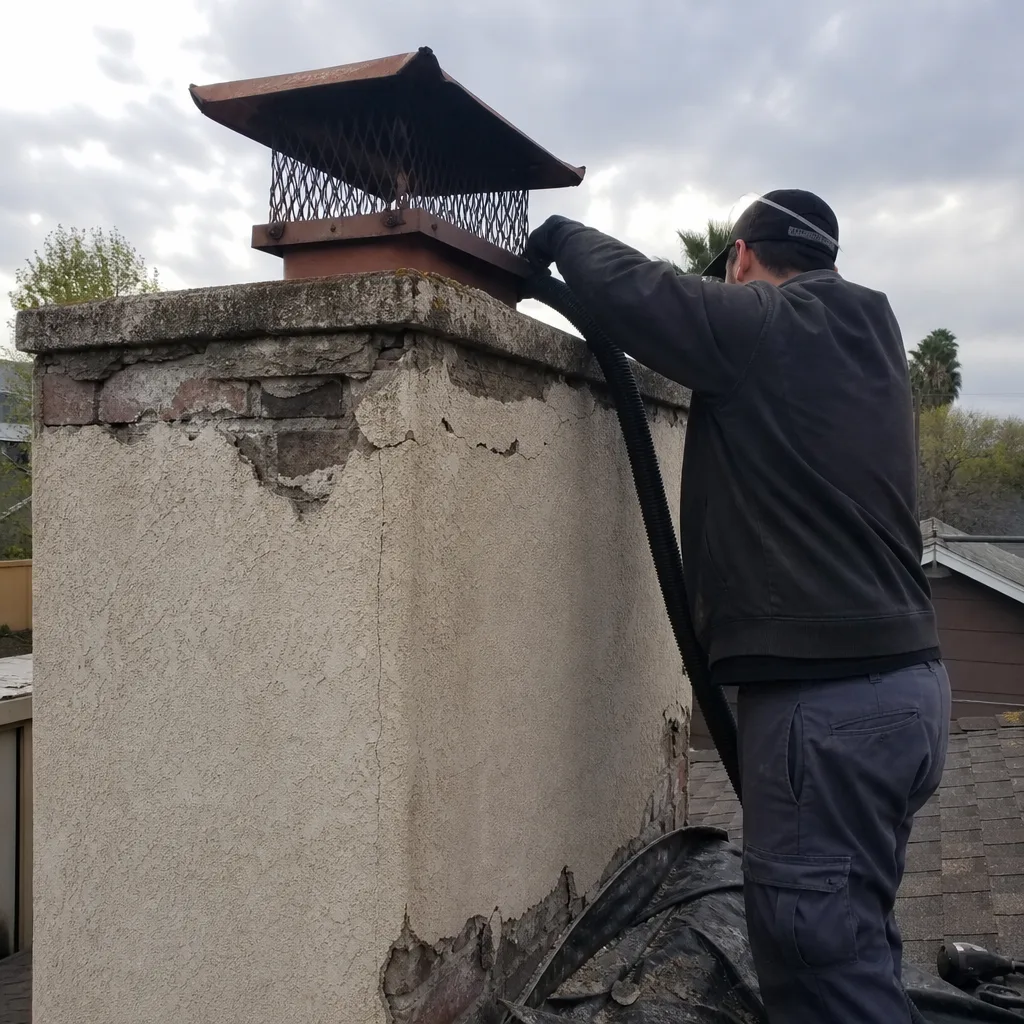 Before
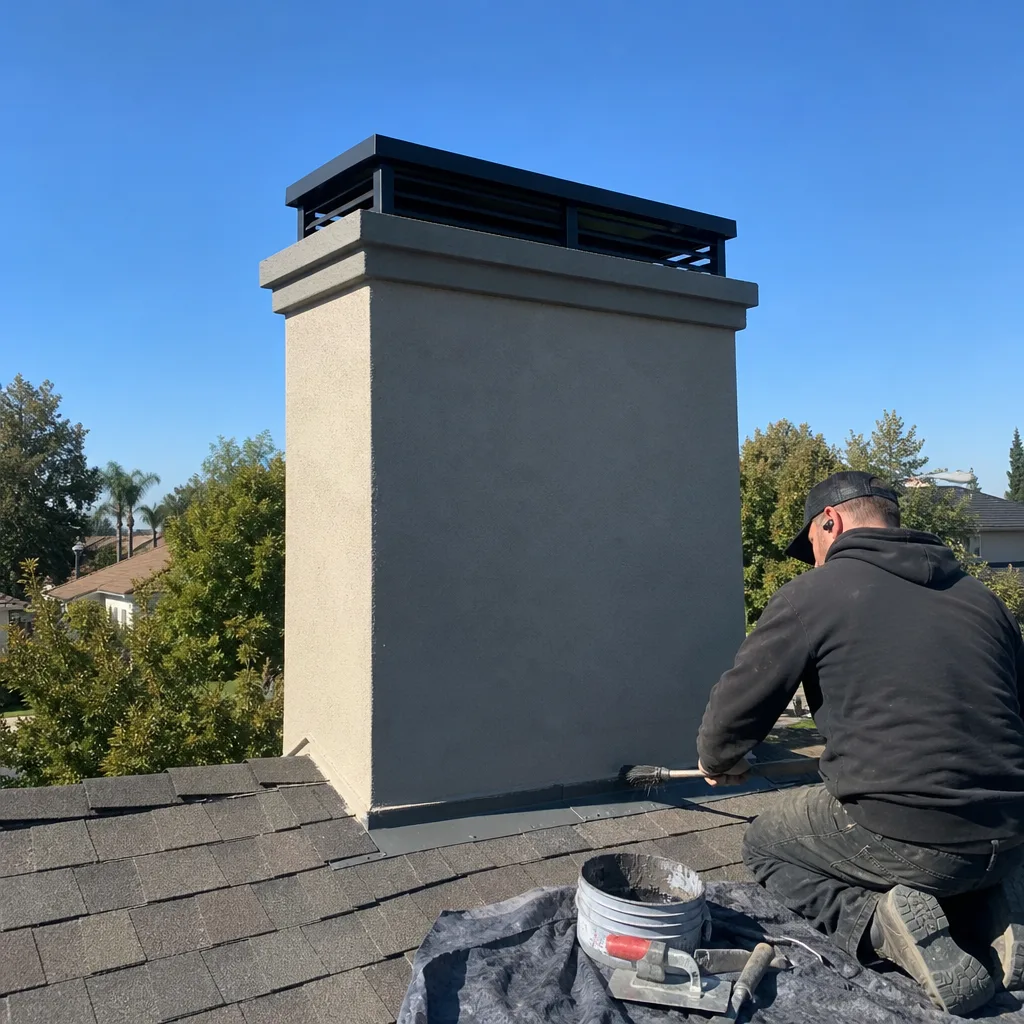 After
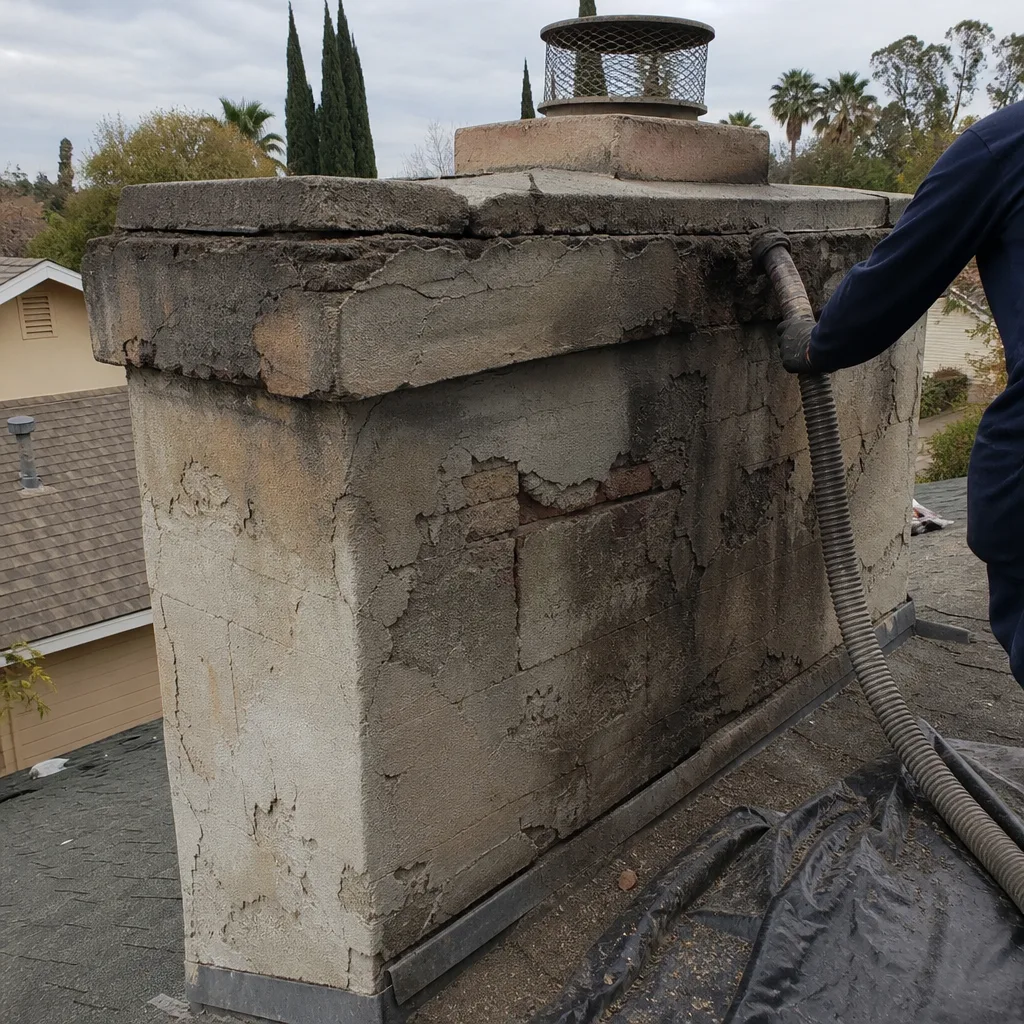 Before
 After
 Before
 After